
Harvest
Expenses
Sign up

Mileage Report Template

Harvest enables small teams to efficiently track mileage expenses with customizable rates, offering a practical solution for accurate record-keeping without complex fleet management.

  • Attach receipts to projects & tasks
  • Turn tracked expenses into client invoices
  • Free 30-day trial, no credit card needed

or drag & drop • Images and PDFs, max 10 MB

Understanding IRS Requirements for Mileage Logs

To ensure tax compliance, it's crucial to understand the IRS requirements for mileage logs. According to the IRS, logs must include the date of each trip, the start and end odometer readings, the total miles driven, the business purpose, and the destination address. Commuting miles are considered personal and are not eligible for deductions. Keeping these details accurate ensures that your mileage reimbursements remain tax-free under the IRS accountable plan standards.

Harvest facilitates mileage tracking by allowing users to manually enter mileage expenses and set custom rates per mile. While it doesn't provide automated tracking or IRS compliance documentation, it supports users in maintaining accurate records by offering a straightforward method to log miles. This helps small teams effectively manage their mileage expenses without complex fleet management features.
The Benefits of Digital Mileage Tracking

Digital mileage tracking offers significant advantages over traditional paper logs. Automated tools reduce errors and save drivers an average of 42 hours annually, allowing them to focus on more valuable tasks. Moreover, digital logs often capture up to 40% more deductible miles by automatically recording short, often missed trips. This can lead to substantial savings and increased deductions.

While Harvest does not provide automated mileage tracking, it offers a simple platform for logging mileage expenses manually. This feature is particularly beneficial for businesses seeking a straightforward solution without the need for advanced fleet management. By using Harvest, teams can ensure consistent and accurate mileage entries, crucial for audit resilience and maximizing deductions.

How to Fill Out a Mileage Report Template

Filling out a mileage report template accurately is essential for compliance and maximizing tax deductions. Key information includes the journey date, start and end locations, miles driven, and the specific business purpose. It's important to record odometer readings at the start and end of each trip to fulfill IRS requirements. Consistency in record-keeping, ideally at the end of each trip, is vital for audit protection.

Harvest allows administrators to set custom mileage rates, simplifying the process of calculating reimbursements. While users must ensure their entries are accurate and complete for tax purposes, Harvest's platform provides an easy way to record these essential details, ensuring that teams can manage mileage expenses effectively and remain compliant with tax regulations.

Choosing the Right Mileage Tracking Method

Selecting a consistent and reliable method for tracking mileage is crucial for both compliance and efficiency. Many businesses are transitioning from manual to digital systems, as automated tracking greatly reduces time spent on data entry and minimizes errors. However, some may still prefer manual methods for their simplicity and control.

Harvest offers a user-friendly way to log mileage expenses manually, making it a practical choice for small teams that do not require complex digital solutions. By providing a customizable platform for mileage tracking, Harvest empowers users to maintain precise and consistent records, a key factor in achieving compliance and optimizing tax deductions.

Mileage Report Templates with Harvest

Explore how Harvest helps small teams track mileage expenses efficiently. Customize rates and ensure accurate record-keeping for IRS compliance.

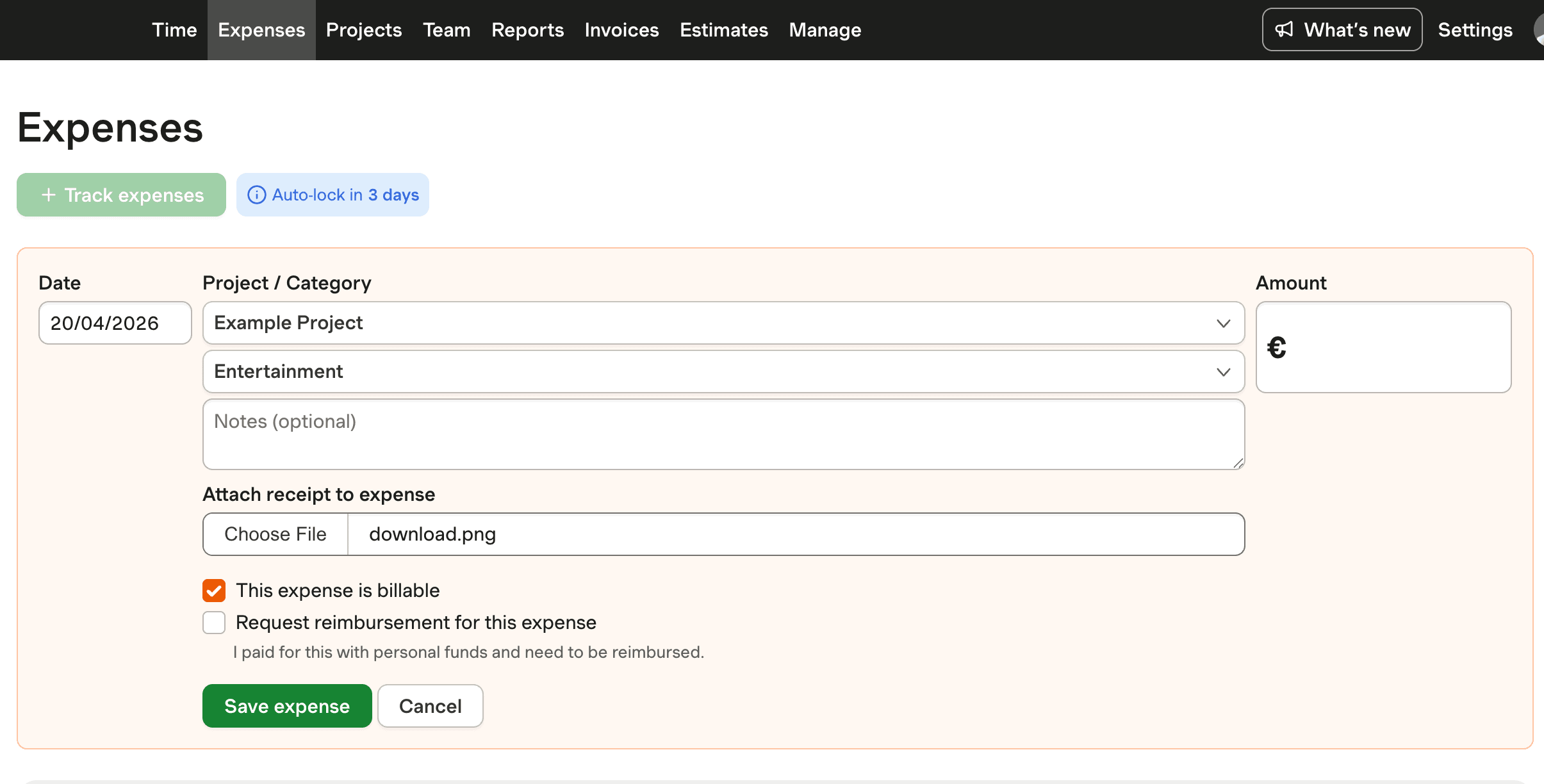
Harvest mileage report template interface for accurate expense tracking

Mileage Report Template FAQs

  • To comply with IRS standards, a mileage log must include the trip date, start and end odometer readings, total miles driven, business purpose, and destination address. Commuting miles are not deductible.

  • Ensure your mileage report includes all required details: trip dates, start and end locations, miles driven, and business purpose. Consistent record-keeping helps meet IRS standards.

  • Harvest allows users to manually track mileage expenses and set custom rates per mile, helping small teams maintain accurate records. However, users must ensure compliance independently.

  • Your mileage log should detail the date, start and end odometer readings, total miles driven, business purpose, and destination. This ensures IRS compliance and maximizes deductions.

  • Yes, digital logs reduce errors and save time. They can capture more deductible miles by logging all trips automatically, offering significant advantages over traditional paper logs.

  • Harvest allows for manual entry of mileage expenses with customizable rates, offering a simple, effective solution for small teams needing accurate record-keeping without complex features.

  • Common mistakes include estimating mileage, logging trips after the fact, and claiming commuting miles. Accurate, timely entries are crucial to avoid these issues.