
Harvest
Expenses
Sign up

Mileage Reimbursement App

Manual mileage tracking is error-prone and time-consuming, risking compliance and reimbursement accuracy. Harvest offers customizable expense tracking for organized records and detailed reporting.

  • Attach receipts to projects & tasks
  • Turn tracked expenses into client invoices
  • Free 30-day trial, no credit card needed

or drag & drop • Images and PDFs, max 10 MB

Challenges of Manual Mileage Tracking

Manual mileage tracking is fraught with challenges that can jeopardize accurate reimbursement and compliance. According to research, 88% of spreadsheets used for manual tracking contain errors, leading to incorrect reimbursements and potential audit issues. This is a significant concern for businesses aiming to maintain accurate financial records and comply with IRS standards.

Moreover, manual processes are time-consuming. Companies have reported saving over 4,000 hours annually across just 100 employees by switching to automated solutions. This highlights the inefficiency of manual logs, where employees spend excessive time verifying entries, which could otherwise be directed towards more productive tasks.
The Benefits of Automated Mileage Tracking

Automated mileage tracking solutions provide a more efficient and accurate alternative to manual methods. These apps use GPS technology to automatically record distances traveled, reducing errors and ensuring compliance with IRS mileage log requirements. This shift is particularly beneficial as it helps reduce reimbursement costs by an average of 25% and enhances productivity by reallocating administrative hours to higher-value work.

For example, companies in the construction industry have seen a 75% reduction in processing times by adopting automated mileage solutions. This improvement not only streamlines operations but also allows for precise cost allocation, offering a clearer view of project profitability. Automated tracking thus serves as a powerful tool for both operational efficiency and financial accuracy.

How Harvest Supports Mileage Reimbursement

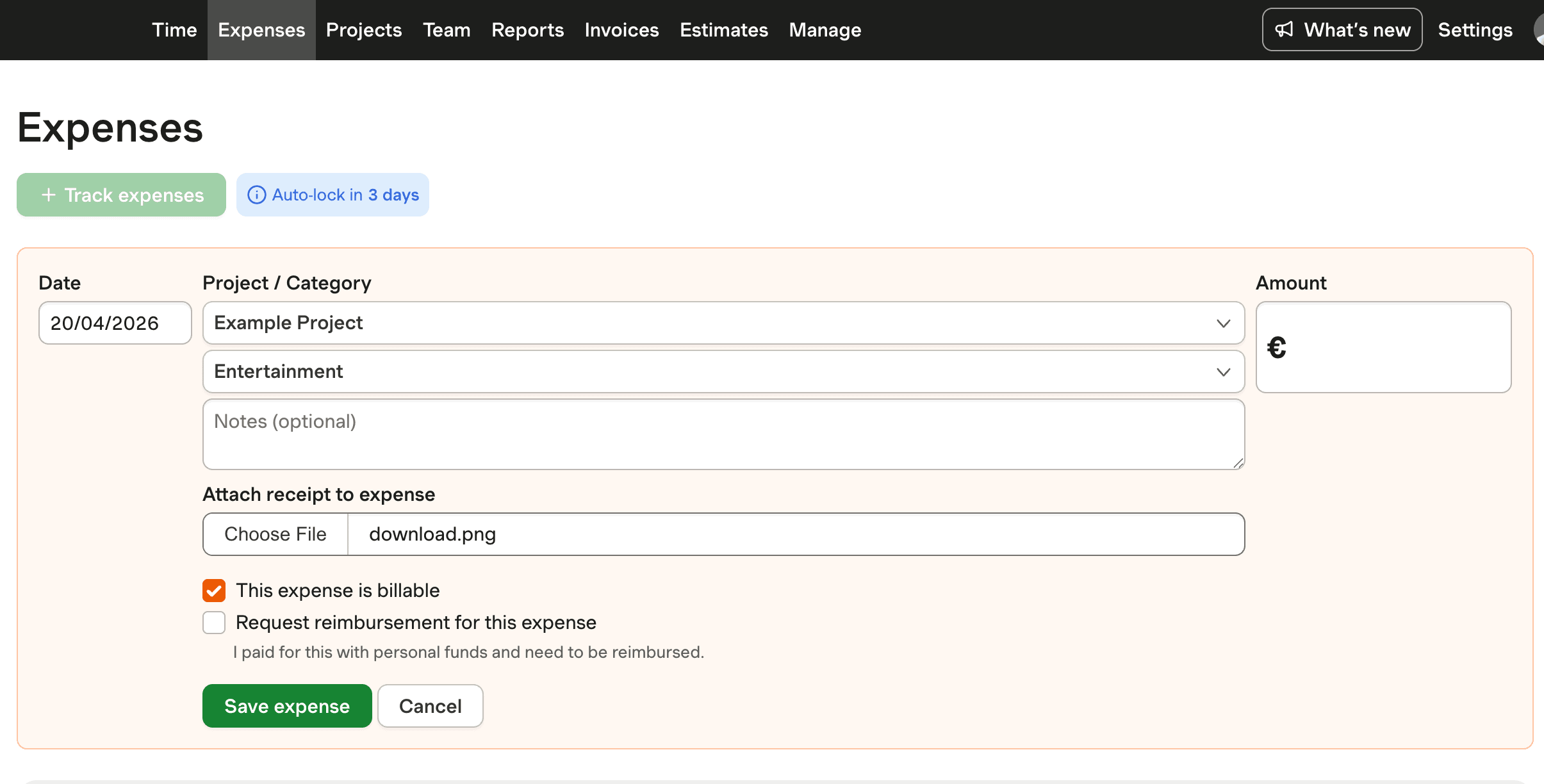
While Harvest does not offer automatic trip classification, it supports mileage reimbursement through customizable expense tracking. Users can manually enter mileage as a quantity and utilize custom labels for trip purposes, ensuring organized records that facilitate reimbursement processes. This feature is particularly beneficial for project-based expense management, where accurate tracking and categorization are crucial.

Harvest also provides monthly and yearly summaries of expenses, allowing businesses to optimize their mileage reimbursement strategies over time. By offering detailed reporting, Harvest enables companies to maintain transparency and accuracy, essential components for effective expense management.

Ensuring Compliance and Accuracy

To ensure compliance with IRS requirements, businesses must maintain detailed mileage logs. This includes recording the date, starting and ending locations, total miles driven, and the business purpose of each trip. Although Harvest does not produce IRS-compliant reports, its detailed tracking capabilities support creating accurate and reliable records that can be used for compliance purposes.

For added accuracy, companies should integrate Harvest with their existing accounting software. This integration allows for seamless syncing of expenses, reducing manual data entry errors and streamlining the reimbursement process. By automating data flow between systems, businesses can enhance accuracy and reduce the administrative burden associated with mileage reimbursement.

Streamline Mileage Reimbursement with Harvest

Harvest enables precise mileage tracking with customizable labels and detailed reporting, ensuring accurate business travel expense management.

Harvest app screenshot for mileage reimbursement context

Mileage Reimbursement App FAQs

  • Mileage reimbursement apps automate the process of tracking and reporting business travel, reducing errors and saving time. Companies can save over 4,000 hours annually and cut reimbursement costs by 25% by using these solutions. They also help ensure compliance with IRS requirements.

  • Manual mileage tracking is prone to errors, with 88% of spreadsheets containing mistakes. This can lead to inaccurate reimbursements and increased risk of audits. Moreover, manual tracking is time-consuming, diverting valuable time from more productive tasks.

  • Look for features like automated GPS tracking, customizable labels for trip purposes, and detailed expense summaries. These features enhance accuracy, ensure organized records, and facilitate seamless reimbursement processes.

  • Harvest offers detailed monthly and yearly summaries, enabling businesses to track expenses over time. This helps optimize reimbursement strategies and maintain transparency in financial reporting, essential for effective expense management.

  • For 2026, the IRS standard mileage rate is 72.5 cents per mile for business-related driving. Reimbursements at or below this rate are not considered taxable income if proper documentation is provided under an accountable plan.

  • Companies should maintain detailed mileage logs, including dates, locations, total miles driven, and business purposes. Integrating mileage tracking apps like Harvest with accounting software can also help ensure accuracy and reduce administrative errors.