
Harvest
Expenses
Sign up

Calculating Mileage Reimbursement

Harvest addresses the common issue of manual mileage tracking errors, offering a solution that allows businesses to set custom per-mile rates for accurate reimbursement calculations.

EXPENSE REPORT DRAFT

Drop your receipts here or click to upload

Images and PDFs (max 10 MB each)

Date
Category
Merchant
Description
Amount
Total
$0.00

Customise report

Appearance

Show report title

Report settings

Understanding Mileage Reimbursement Calculation

Calculating mileage reimbursement is essential for businesses to manage travel expenses effectively and maintain compliance with financial regulations. The IRS sets a standard mileage rate annually, which many businesses use as a benchmark for tax-free reimbursement. For 2026, this rate is set at 72.5 cents per mile. However, it's important to note that the federal government does not mandate mileage reimbursement, although some states, such as California and Illinois, do.

Manual mileage tracking often leads to errors and inflated claims, resulting in potential over-reimbursement by as much as 10-15%. Automating this process not only ensures accuracy but can also save businesses over 4,000 hours annually per 100 employees by eliminating manual entry tasks. This shift from manual to automated solutions is part of a growing trend to reduce human error and increase operational efficiency.
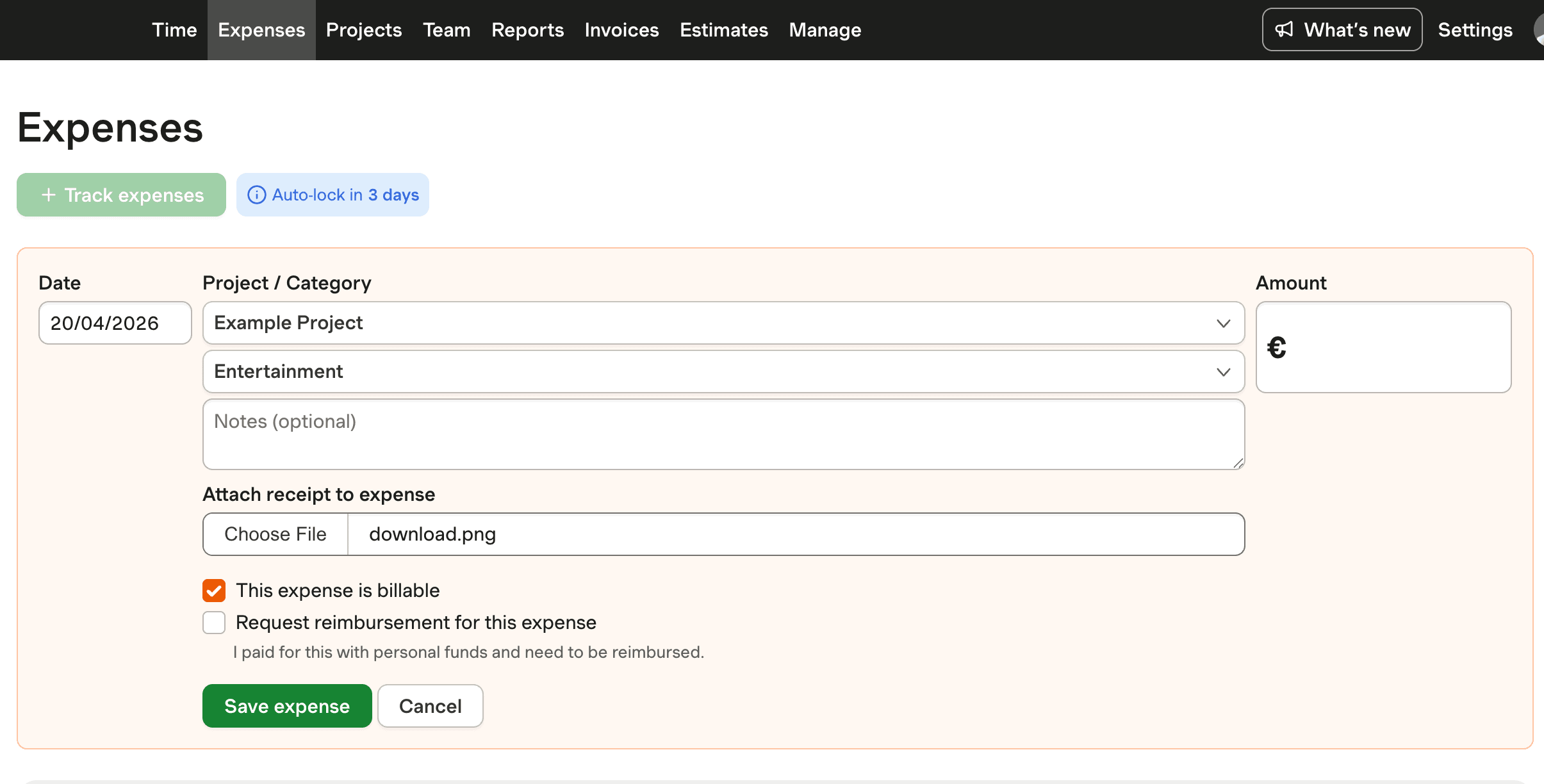
How Harvest Simplifies Mileage Reimbursement

Harvest offers a streamlined approach to managing mileage reimbursement, allowing businesses to set custom per-mile rates for tracking expenses. While Harvest doesn't handle compliance with IRS or state-specific laws directly, it empowers administrators to adjust these rates as needed, ensuring flexibility in how mileage is calculated.

By using Harvest, teams can track mileage manually and have these logs tied directly into their overall expense reporting. This integration helps eliminate common errors associated with manual entry and can significantly reduce administrative burdens. Companies that adopt automated mileage tracking solutions, like those facilitated by Harvest, often report reduced transportation costs and improved accuracy in reimbursement claims.

The Challenges of Manual Mileage Tracking

Manual mileage tracking is fraught with challenges that can lead to inaccuracies and compliance issues. Many organizations still rely on spreadsheets or handwritten notes, which can result in a 10-15% inflation in reported mileage. This not only impacts financial efficiency but also poses risks of fraud and regulatory audits.

In contrast, automated tracking solutions provide precise data, reducing the likelihood of errors and ensuring that every mile is accounted for accurately. For instance, GPS-based tracking can streamline data collection and reporting, facilitating better compliance and cost control. A transition to such systems can result in annual savings of up to 30% on transportation costs, as companies move away from traditional fleet models to more efficient reimbursement programs.

Implementing Effective Mileage Reimbursement Policies

Developing comprehensive mileage reimbursement policies is crucial for maintaining compliance and ensuring fair compensation for employees. These policies should define reimbursable trips, establish clear documentation requirements, and set consistent submission timelines. For instance, the IRS requires detailed mileage logs that include date, destination, and purpose of travel to ensure tax-free reimbursement.

Companies that implement clear policies and automated tracking systems, like those supported by Harvest, can avoid common pitfalls such as fraudulent claims and delayed reimbursements. By standardizing procedures and leveraging technology, businesses not only enhance compliance but also improve employee satisfaction through transparent compensation practices.

Leveraging Data for Improved Operational Efficiency

Accurate mileage tracking goes beyond reimbursement; it offers valuable insights into travel patterns that can optimize operations. By analyzing this data, businesses can streamline routes, reduce unnecessary travel, and ultimately achieve cost savings. For example, automated solutions have shown to save companies over 4,000 hours annually for every 100 employees by reallocating time from manual tracking to more productive tasks.

Harvest's integration capabilities allow businesses to harness these insights effectively. Although Harvest does not automatically ensure IRS compliance, its flexible mileage rate setting feature supports strategic financial planning. This empowers businesses to not only manage expenses but also to drive operational improvements across their mobile workforces.

Streamline Mileage Reimbursement with Harvest

Harvest allows businesses to set custom per-mile rates, track mileage manually, and integrate with expense reports for accurate reimbursement.

Harvest mileage tracking interface for reimbursement calculations

Calculating Mileage Reimbursement FAQs

  • The IRS standard mileage rate for 2026 is set at 72.5 cents per mile. This rate is commonly used by businesses as a benchmark for tax-free reimbursement calculations.

  • To calculate mileage reimbursement, multiply the total business miles driven by the applicable mileage rate, such as the IRS rate of 72.5 cents per mile. Harvest allows businesses to set custom rates for tracking these expenses.

  • Manual mileage tracking can lead to significant errors and inflated claims, often resulting in a 10-15% overstatement of mileage. Automating this process with tools like Harvest reduces errors and enhances efficiency.

  • Harvest does not automatically ensure compliance with IRS mileage rates. However, it allows administrators to set and update custom mileage rates as needed for accurate reimbursement calculations.

  • Automated mileage tracking eliminates human errors, reduces administrative burdens, and can save businesses over 4,000 hours annually for every 100 employees. This leads to more accurate reimbursement and significant cost savings.

  • Detailed logs including the date, destination, purpose, and distance are typically required for mileage reimbursement. While Harvest allows manual entry of mileage data, it does not specify documentation requirements.

  • Yes, Harvest allows businesses to set custom mileage rates, enabling flexibility in managing reimbursement policies and adapting to specific company needs.