
Harvest
Expenses
Sign up

Mileage Reimbursement Report

Harvest offers a straightforward way to log and report mileage expenses, making it easier for businesses to manage travel costs and ensure compliance.

EXPENSE REPORT DRAFT

Drop your receipts here or click to upload

Images and PDFs (max 10 MB each)

Date
Category
Merchant
Description
Amount
Total
$0.00

Customise report

Appearance

Show report title

Report settings

Understanding Mileage Reimbursement Reports

A mileage reimbursement report is a critical tool for businesses to compensate employees who use their personal vehicles for work-related travel. It ensures compliance with IRS regulations and can lead to significant cost savings. These reports require detailed record-keeping, which includes the date of travel, destination, business purpose, and total miles driven. Notably, the IRS standard mileage rate has fluctuated over the years, with 2025 set at 70 cents per mile, increasing to 72.5 cents in 2026. This rate accounts for various vehicle costs such as depreciation and insurance.

Accurate mileage reporting can mitigate potential compliance issues and tax penalties. Over-reimbursement may be considered taxable income, while under-reimbursement could lead to employee dissatisfaction or legal challenges in states like California, where reimbursement is mandatory. Therefore, maintaining thorough and compliant mileage logs is essential for both employee satisfaction and business integrity.
Challenges of Manual Mileage Tracking

Manual mileage tracking is fraught with errors and inefficiencies. Employees may inadvertently report personal commutes as business miles or inflate mileage figures, leading to inaccuracies. Recent trends show a shift towards automated solutions, with companies that transition seeing a more than 20% reduction in submitted business mileage. This shift not only reduces fraudulent claims but also streamlines the approval process, saving administrative time by as much as 75%.

Adopting an automated mileage tracking system can eliminate these errors, but not all businesses have access to such technology. For those using Harvest, manual entry of mileage is supported, allowing for customizable reporting by client or project. This ensures that businesses can still maintain accurate records while adapting to their specific project needs.

Creating a Mileage Reimbursement Report with Harvest

Although Harvest does not offer real-time mileage tracking, it provides tools for creating detailed mileage reimbursement reports through manual entry. Users can customize reports by filtering data by client, project, person, or date, offering flexibility to meet diverse industry requirements. This customization is crucial for industries like sales and construction, where travel is frequent and mileage patterns vary.

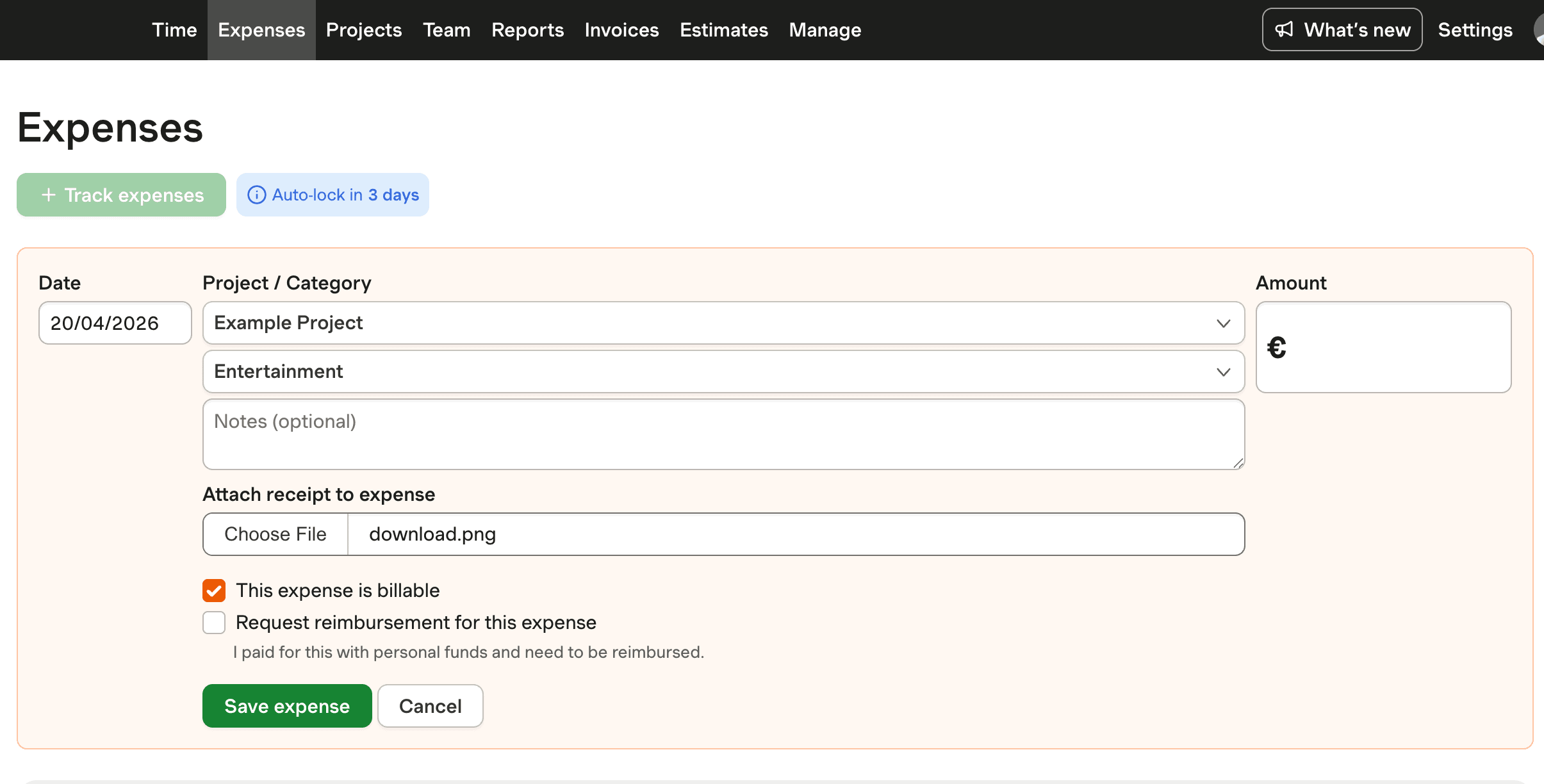
To create a mileage report in Harvest, start by entering your mileage data into the system. You can then utilize Harvest's reporting capabilities to generate a comprehensive report, ensuring all necessary details are included. This approach allows for transparency and accuracy, making it easier to handle audits and maintain compliance with IRS regulations.

Maximizing Efficiency with Mileage Tracking

Efficient mileage tracking involves more than just recording distances; it requires a strategic approach to policy and process design. Developing a clear mileage reimbursement policy is the first step. This policy should define eligible trips, outline the reimbursement process, and specify required documentation. Regular reviews and audits of these policies ensure alignment with current IRS guidelines and vehicle costs.

Integrating mileage tracking with other business processes can further enhance efficiency. For example, linking it with expense management systems can streamline expense reporting and approvals. Although Harvest does not integrate directly with payroll systems, its detailed reporting features can still provide valuable data for financial planning and cost allocation, ensuring that businesses maximize the benefits of accurate mileage tracking.

Mileage Reimbursement Reports with Harvest

See how Harvest simplifies creating detailed mileage reimbursement reports. Customize reports to meet your business needs efficiently.

Harvest mileage reimbursement report dashboard

Mileage Reimbursement Report FAQs

  • A mileage reimbursement report documents travel expenses incurred by employees using their personal vehicles for business purposes. It typically includes the date, destination, purpose, and mileage of each trip.

  • To create a mileage reimbursement report, record all relevant trip details such as date, destination, and total miles. Use a tool like Harvest to organize and customize these entries into a comprehensive report.

  • A mileage reimbursement report requires the trip date, destination, business purpose, and miles driven. This information ensures compliance with IRS guidelines and accurate reimbursement.

  • Yes, many tools offer templates for mileage reimbursement reports. Harvest allows customizable reports, enabling you to filter by client, project, or date to fit specific business needs.

  • The IRS standard mileage rate is used for reimbursement and is adjusted annually. In 2025, it's set at 70 cents per mile. Reports must meet "accountable plan" criteria to avoid being taxable.

  • Harvest allows for manual entry of mileage data, which can then be used to create detailed reports. While it doesn't automate tracking, its customizable reporting is valuable for project management.

  • Automated mileage tracking reduces errors and fraud, leading to a 20% reduction in reported mileage for some companies. It also saves administrative time, enhancing overall efficiency.