
Harvest
Expenses
Sign up

Mileage Report

Harvest simplifies mileage tracking for project-based expenses, ensuring compliance with IRS standards and optimizing tax deductions.

EXPENSE REPORT DRAFT

Drop your receipts here or click to upload

Images and PDFs (max 10 MB each)

Date
Category
Merchant
Description
Amount
Total
$0.00

Customise report

Appearance

Show report title

Report settings

The Importance of Accurate Mileage Reporting

Accurate mileage reporting is essential for businesses to ensure compliance with tax regulations and to maximize financial efficiency. The IRS requires detailed logs of business mileage to substantiate deductions, which can significantly impact a company's tax liability. For 2026, the standard mileage rate has increased to 72.5 cents per mile, reflecting the rising costs associated with vehicle maintenance and operation.

Manual tracking methods, while common, are prone to errors that can lead to inaccurate reporting and potential financial discrepancies. Studies show that automated mileage tracking can enhance accuracy by 80% and reduce overstated mileage claims by 25% or more. This shift not only improves compliance but also saves businesses time and money, allowing them to focus on core activities rather than administrative tasks.
How Harvest Simplifies Mileage Tracking

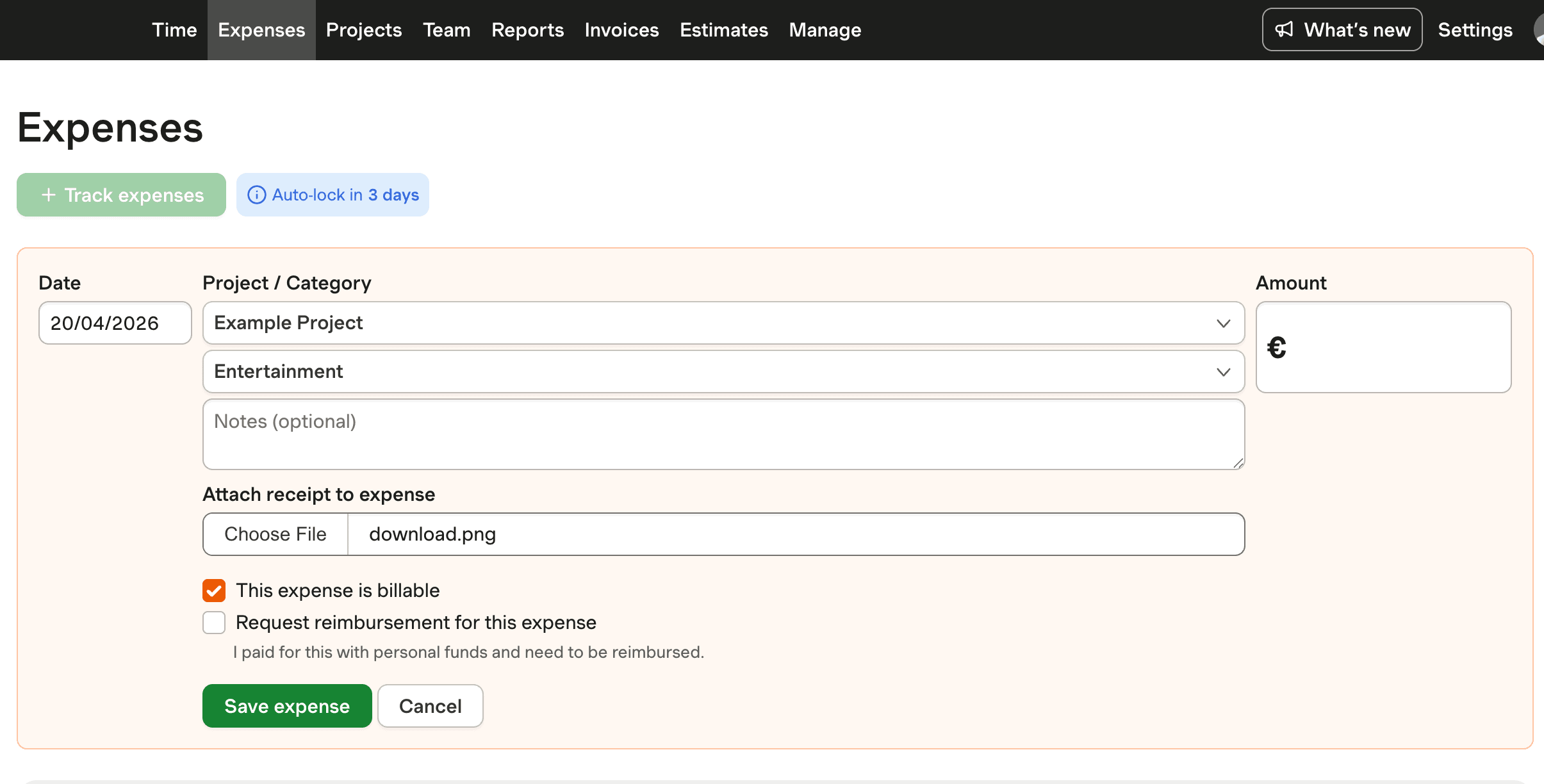
Harvest offers a straightforward solution for small teams and businesses needing to track mileage as part of their project expenses. By allowing users to set a unit price per mile, Harvest simplifies the process of calculating mileage costs, ensuring that expense management remains efficient and transparent. Although Harvest does not automatically track miles, its manual entry system provides a clear and accessible way to manage mileage expenses.

For businesses transitioning to digital solutions, Harvest's integration with broader expense management systems can streamline the reimbursement process. This feature helps reduce the administrative burden by centralizing financial data, making it easier to manage and audit expenses. With Harvest, users benefit from a flexible platform that adapts to their specific needs, enhancing operational efficiency and accuracy.

Maximizing Tax Deductions with Harvest

Using Harvest to accurately track mileage expenses can be instrumental in maximizing tax deductions. Compliance with IRS regulations requires detailed records of business mileage, including dates, destinations, and purpose of trips. Harvest enables users to maintain these records efficiently, ensuring that all necessary documentation is in place for potential audits.

While Harvest does not provide specific compliance features tailored for IRS regulations, its ability to track expenses by setting a unit price per mile offers a practical approach to managing mileage costs. This capability helps businesses ensure that their expenses are accurately documented, thus optimizing tax deductions and reducing the risk of non-compliance.

Integrating Mileage Tracking with Expense Management

Integrating mileage tracking with comprehensive expense management systems is crucial for businesses aiming to streamline their financial operations. Harvest offers features that allow mileage expenses to be logged alongside other project-related costs, providing a holistic view of financial data. This integration is particularly beneficial for companies looking to automate and simplify their expense processes.

By centralizing mileage tracking with other expenses, Harvest helps businesses maintain a clear and organized financial overview. This integration not only aids in accurate reporting but also supports strategic decision-making by providing insights into expense trends and areas for cost reduction. With Harvest, businesses can efficiently manage their mileage tracking alongside broader financial operations.

Track Mileage with Harvest

Discover how Harvest simplifies mileage tracking and expense management. Ensure IRS compliance and optimize deductions with ease.

Screenshot of Harvest's mileage tracking feature for business expenses.

Mileage Report FAQs

  • The IRS requires detailed logs of business mileage to support deductions. This includes recording the date, destination, purpose of the trip, and odometer readings. For 2026, the standard mileage rate is 72.5 cents per mile.

  • Creating a mileage report involves logging each trip's details, such as dates, distances, and purposes. Using software like Harvest can streamline this process by allowing manual entry of mileage and automating the calculation of expenses.

  • Yes, many online resources offer free mileage report templates that comply with IRS guidelines. These templates help ensure that all necessary information is captured for accurate reporting and audits.

  • Several tools offer automated mileage tracking using GPS technology, reducing manual entry errors. While Harvest requires manual entry, it integrates with expense management systems to simplify overall tracking and reporting.

  • Businesses can claim deductions based on the IRS standard mileage rate, which for 2026 is 72.5 cents per mile. Accurate mileage reports are essential to substantiate these deductions during tax filings.

  • Harvest allows users to manually enter mileage expenses by setting a unit price per mile. This method simplifies tracking and ensures that expenses are accurately captured and managed within the overall project budget.

  • Yes, Harvest integrates mileage tracking with broader expense management, offering a streamlined approach to managing all project-related costs and enhancing financial oversight.