
Harvest
Expenses
Sign up

Mileage Tracker in Swedish

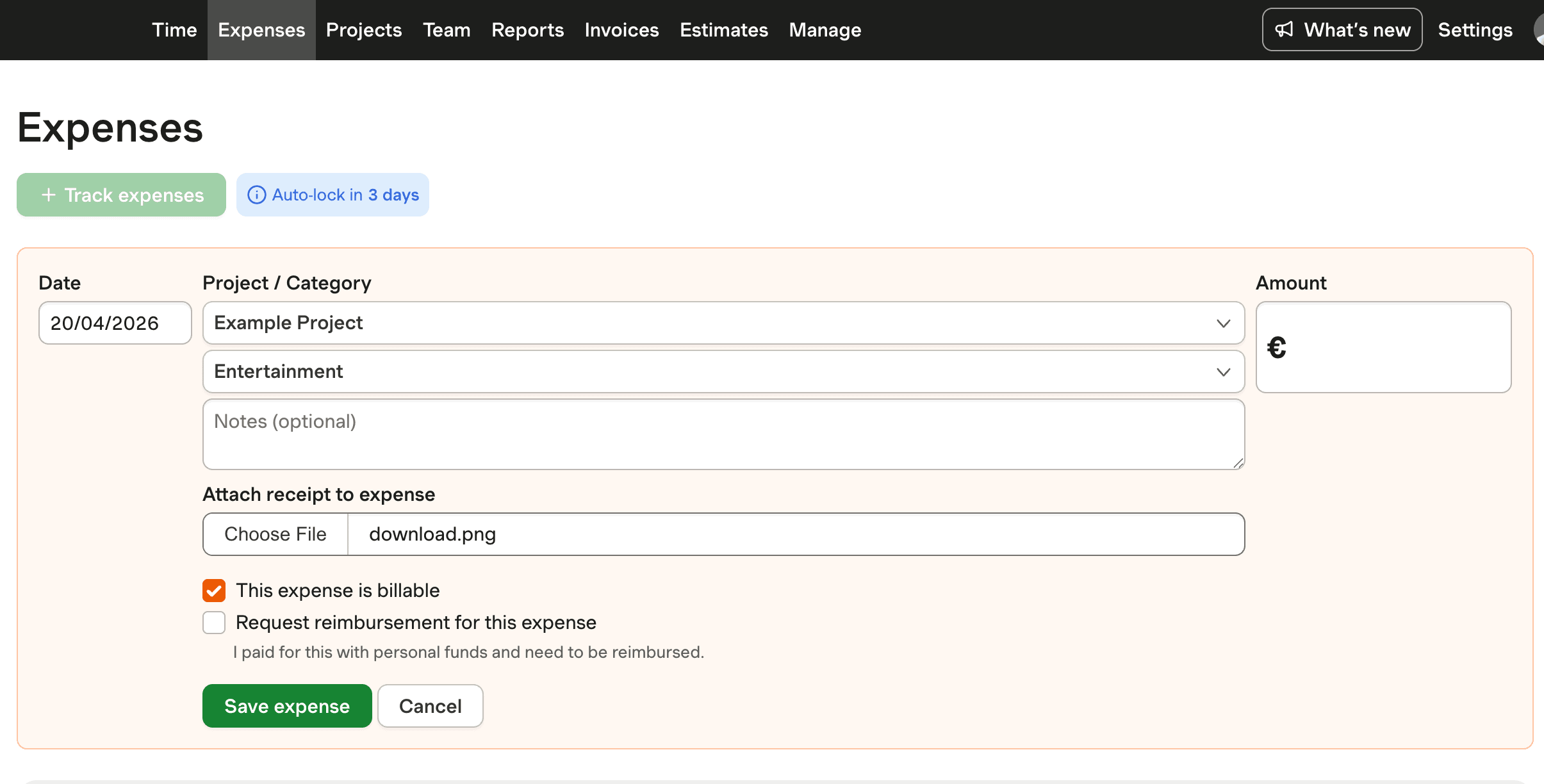
Harvest provides a simple mileage tracking system where users can manually enter mileage as an expense, catering to small teams needing basic project-based expense tracking.

  • Attach receipts to projects & tasks
  • Turn tracked expenses into client invoices
  • Free 30-day trial, no credit card needed

or drag & drop • Images and PDFs, max 10 MB

Understanding Swedish Mileage Tracking Regulations

Swedish tax regulations for mileage tracking, as overseen by Skatteverket, require meticulous documentation to substantiate claims related to car and fuel benefits. While not legally mandatory, maintaining a comprehensive mileage log is crucial for avoiding tax penalties. A compliant log must include specific details such as the vehicle's registration number, odometer readings at the start and end of each journey, total kilometers driven, trip purpose, and start and end addresses. Failing to provide a complete and accurate log can lead to significant tax surcharges, sometimes reaching 35,000 SEK.

For businesses, especially those in sectors like logistics and transportation, transitioning from manual to digital mileage tracking can substantially reduce errors and administrative burdens. Studies show that electronic tracking solutions can cut travel-related expenses by up to 20%, while also streamlining compliance with Skatteverket's guidelines. Despite Harvest not offering electronic triplogs, its simple mileage tracking system allows users to manually enter mileage as an expense category, providing a basic solution for small teams.
Features of an Effective Mileage Tracker for Sweden

An effective mileage tracker for Swedish businesses must align with Skatteverket's recommendations by capturing every detail needed for compliance. This includes automatic recording of trip details such as odometer readings and addresses. Many solutions now offer GPS-based tracking to ensure accuracy and reduce human error. Additionally, integrating with business systems like accounting software can automate data transfer, enhancing efficiency.

Harvest provides a straightforward way to track mileage manually as part of its expense management capabilities. While it doesn’t offer automated trip logging, it allows users to categorize and report mileage expenses efficiently. For small teams seeking a simpler solution, Harvest’s manual entry approach can suffice, especially when paired with other business tools to ensure comprehensive expense tracking.

Differentiating Between Business and Private Mileage for Tax Purposes

In Sweden, distinguishing between business and private mileage is crucial for tax compliance. Skatteverket mandates that private use of a company car be limited to a maximum of 10 occasions or 1,000 kilometers annually to avoid taxation on car benefits. For business mileage, accurate logs must be maintained, detailing each trip's purpose and destinations.

While Harvest does not explicitly differentiate between business and private mileage, its mileage tracking as an expense feature can be utilized to document travel associated with specific projects or clients. This allows teams to maintain clarity over business-related travel expenses, helping to ensure compliance when paired with a broader understanding of tax requirements.

Practical Tips for Compliant Mileage Tracking

To ensure compliance with Swedish tax regulations, it's advisable to use electronic mileage trackers that automate trip details and integrate with business systems. However, if using a manual system like Harvest, attention to detail is paramount. Ensure each trip is logged with all necessary specifics immediately after it occurs to maintain accuracy.

Testing a mileage tracking system before full implementation can reduce errors by up to 50%. For businesses opting for manual tracking, this involves setting clear guidelines for employees on how to record trips and regularly reviewing logs for completeness and accuracy. Harvest’s mileage tracking can be an asset when used diligently and in conjunction with a comprehensive approach to business expense management.

Mileage Tracker in Swedish with Harvest

Explore Harvest's manual mileage entry system, ideal for small teams managing project expenses in Sweden.

Harvest manual mileage tracking interface tailored for Swedish needs.

Mileage Tracker in Swedish FAQs

  • A Swedish mileage log must include the vehicle registration number, start and end odometer readings, total kilometers, trip purpose, start and end addresses, and any visited places. These details are crucial for compliance with Skatteverket regulations.

  • Harvest allows users to manually enter mileage as an expense category. While it doesn't offer electronic triplogs, this feature can assist small teams with basic project-based expense tracking.

  • Electronic mileage trackers in Sweden enhance accuracy and compliance by automatically recording trip details, reducing manual entry errors, and integrating with accounting systems. They can help businesses save up to 20% on travel expenses.

  • To differentiate between business and private mileage, document each trip's purpose and keep detailed records. Skatteverket requires that private use of a company car be limited to avoid tax on car benefits.

  • Improper mileage logging can result in tax surcharges, potentially as high as 35,000 SEK. Ensuring logs are complete and accurate can help avoid these penalties during audits by Skatteverket.

  • A continuous mileage log is recommended because it provides up-to-date and accurate records of trips, reducing the risk of errors and penalties. Skatteverket suggests logging trips weekly to maintain compliance.

  • While Harvest primarily offers manual entry for mileage, it can be integrated with other business systems to streamline expense tracking and reporting, supporting efficient project management.