
Harvest
Expenses
Sign up

Itemized Expense List

Struggling with manual expense tracking? Harvest simplifies creating itemized expense lists, reducing time and costs significantly.

EXPENSE REPORT DRAFT

Drop your receipts here or click to upload

Images and PDFs (max 10 MB each)

Date
Category
Merchant
Description
Amount
Total
$0.00

Customise report

Appearance

Show report title

Report settings

Creating an Effective Itemized Expense List

To efficiently create an itemized expense list, it's essential to first understand the significance of accurate expense tracking. Manually compiling these lists can be both time-consuming and costly. On average, it takes 20 minutes and costs businesses $58 to process a single manual expense report. Errors in these reports can lead to an additional 18 minutes and $52 in correction costs. Harvest offers a streamlined solution by allowing users to generate detailed expense reports, significantly reducing the time and cost associated with manual processes.

Using Harvest, teams can track expenses by project and category, ensuring that every financial outlay is accounted for in a structured manner. This automation not only saves time but also enhances accuracy, as evidenced by the 80% reduction in processing time achieved by finance teams using automated systems. By leveraging Harvest’s capabilities, businesses can ensure their expense lists are comprehensive and error-free, positioning them for successful financial audits and strategic decision-making.
Automation: Transforming Expense Management

The transition from manual to automated expense management is reshaping how businesses compile itemized expense lists. Automation can drastically cut costs, with a mid-sized company saving up to $45,000 monthly by reducing processing costs from $15 to $6 per report. This shift is part of a broader industry trend where 74% of Accounts Payable teams are adopting partial automation, with plans for full automation within a year.

Harvest facilitates this transformation by enabling users to automate the expense tracking process. With features like receipt uploads and categorized tracking, Harvest ensures that all expenses are captured in real-time, reducing the likelihood of errors and improving compliance. This automation empowers businesses to focus on strategic financial management rather than getting bogged down in administrative tasks.

Practical Tips for Managing Itemized Expense Lists

Creating an efficient itemized expense list involves more than just tracking costs; it requires careful planning and implementation of best practices. Begin by defining clear expense policies and approval hierarchies to avoid confusion and delays. Integrating systems like Harvest with existing ERP platforms can streamline operations, eliminating manual data transfer and reducing errors.

To maximize the benefits of digital expense management, businesses should continuously monitor key metrics such as cost per expense report and approval turnaround time. Harvest provides the tools needed to track these metrics, offering insights that can drive ongoing optimization of workflows and policies. Additionally, ensuring employee buy-in through training can enhance the adoption of new systems, further improving efficiency and accuracy in expense reporting.

Create Itemized Expense Lists with Harvest

Harvest enables efficient tracking and reporting, helping you create detailed itemized expense lists for financial management.

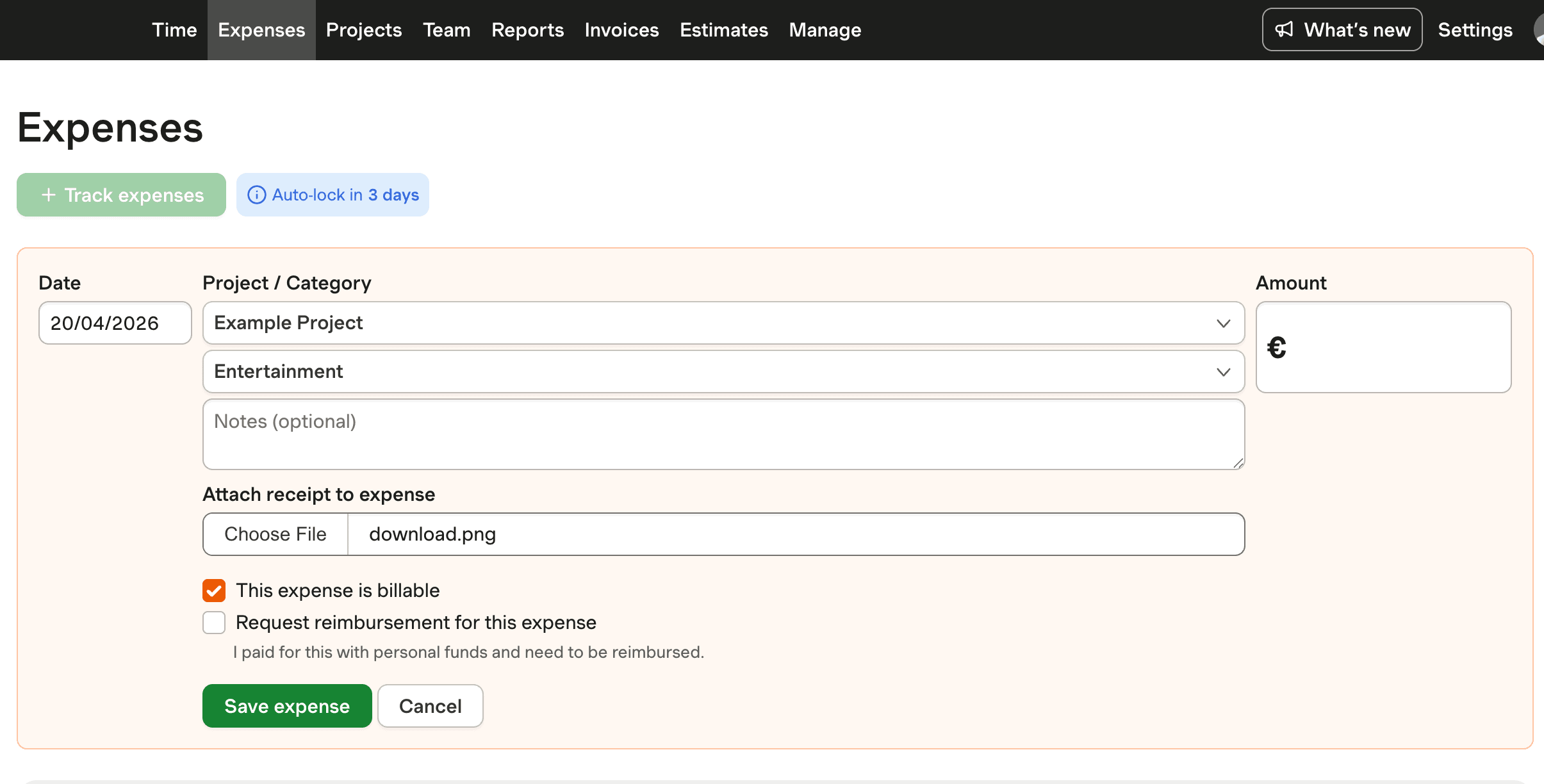
Harvest interface showing itemized expense list creation.

Itemized Expense List FAQs

  • An itemized expense list can include various costs such as travel, entertainment, gifts, and vehicle use. Each entry should be well-documented with receipts showing the amount, date, and business purpose.

  • To create an itemized expense list in Harvest, simply track your expenses by project and category. Harvest allows you to generate detailed reports that reflect all tracked entries, making it easy to manage and review expenses.

  • For itemized deductions, the IRS typically requires documentation such as receipts that show the cost, date, and purpose of each expense. While Harvest tracks expenses and allows receipt uploads, it does not generate tax-specific documents.

  • Automation in expense management reduces the time and cost of processing reports. It minimizes errors and streamlines approvals, providing real-time insights into spending patterns. Harvest's automation features can help achieve these efficiencies.

  • Yes, there are specific IRS rules on what can be claimed as itemized deductions. While Harvest tracks expenses by category, it does not manage tax deduction limits, focusing instead on efficient expense tracking.

  • Mobile apps streamline expense submission by allowing users to capture and categorize expenses on the go. In 2021, 54% of expense reports were submitted via mobile, with projections of 75% by 2025. Harvest supports mobile access to enhance this capability.

  • Integrating expense tracking with ERP and payroll systems reduces manual data entry, decreases errors, and ensures timely reimbursements. Harvest can be integrated with various platforms to provide seamless operations.