
Harvest
Expenses
Sign up

Expense Management Software With Shopify

For Shopify businesses, Harvest offers a straightforward solution for capturing and categorizing e-commerce expenses, ensuring meticulous financial records.

EXPENSE REPORT DRAFT

Drop your receipts here or click to upload

Images and PDFs (max 10 MB each)

Date
Category
Merchant
Description
Amount
Total
$0.00

Customise report

Appearance

Show report title

Report settings

The Importance of Expense Management Software for Shopify Businesses

Expense management software is essential for Shopify businesses looking to streamline financial operations and enhance profitability. As e-commerce continues to grow, the need for efficient expense tracking systems becomes increasingly vital. These tools help mitigate common challenges such as fragmented systems and cash flow disruptions, which can erode profit margins by up to 5% annually due to unmanaged expenses. By automating expense tracking and reporting, businesses can maintain financial health and drive strategic growth.

For Shopify businesses, having a clear understanding of where money is being spent is crucial. Accurate expense categorization, such as identifying costs for materials, labor, and marketing, enables clearer insights into profitability. For example, marketing expenses often account for 20-40% of revenue in e-commerce. Implementing a robust expense management system ensures these costs are managed effectively, allowing businesses to optimize their spending and increase profit margins.
How Harvest Supports E-commerce Expense Management

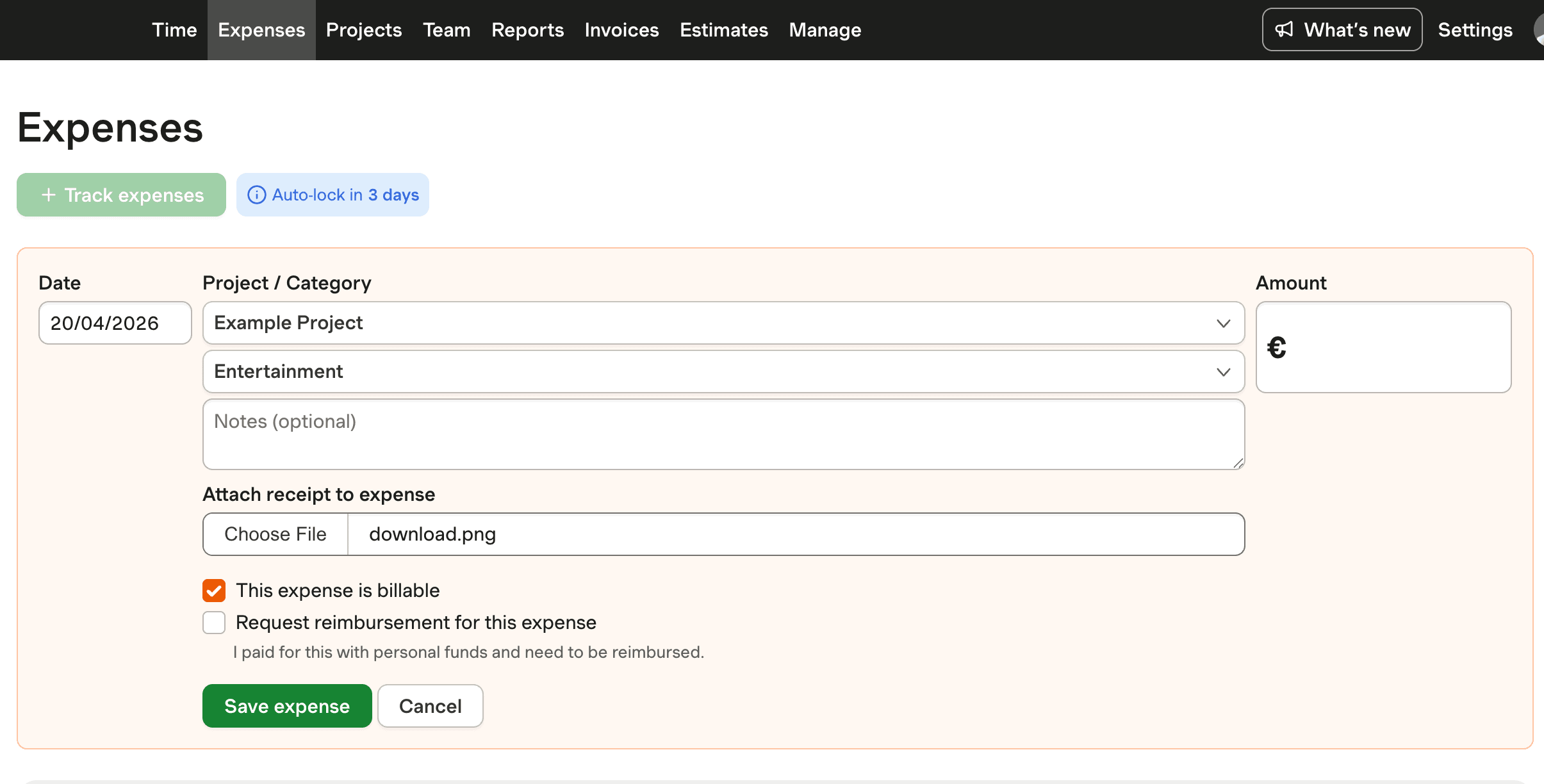
Harvest offers a comprehensive solution for e-commerce businesses needing to track expenses efficiently. While Harvest does not integrate directly with Shopify, it provides powerful tools for receipt capture and expense categorization. This enables businesses to manually upload receipts and categorize expenses, ensuring meticulous financial records. Such capabilities are crucial for maintaining transparency and reducing manual data entry errors, which are common pitfalls in e-commerce operations.

Harvest's project-based categorization allows businesses to organize expenses by specific projects or departments, providing clearer insights into cost allocation. This is particularly beneficial for small businesses seeking detailed financial oversight. By leveraging Harvest's features, Shopify businesses can improve budgeting and financial planning, even in the absence of direct Shopify integration.

Strategies for Effective Expense Management with Harvest

To maximize the benefits of using Harvest for expense management, businesses should implement strategic practices. First, separate business and personal finances by using dedicated accounts and credit cards. This separation simplifies financial reporting and ensures compliance with tax regulations. Additionally, businesses should embrace automation by using Harvest to capture and categorize receipts, significantly reducing manual entry errors.

Regular financial reviews are another key strategy. Businesses should consistently review profit and loss reports and reconcile expenses weekly. This proactive approach helps identify discrepancies early, reducing the risk of "invisible leakage" and ensuring records are accurate. Lastly, establishing clear expense policies, including setting spending limits and documentation requirements, helps maintain control over expenses and ensures compliance.

E-commerce Expense Management Trends and Insights

Digitalization and automation are transforming the expense management landscape, with cloud-based solutions becoming the norm. The global market for expense management software is expected to grow from USD 7.08 billion in 2023 to USD 16.48 billion by 2032, highlighting the increasing demand for automated tools. These tools help businesses move from reactive cost-cutting to strategic cost control, leveraging AI to identify spending patterns and optimize expenses.

Mobile-first solutions are also gaining traction, allowing employees to submit expenses in real-time from any location. This flexibility supports remote work and enhances operational efficiency. Automated systems offer significant benefits, including reduced error rates and optimized payment processes, ultimately leading to improved cash flow and cost savings.

Expense Management with Harvest

See how Harvest captures and categorizes e-commerce expenses, enhancing financial oversight for Shopify businesses.

Harvest expense management software dashboard for Shopify expenses.

Expense Management Software With Shopify FAQs

  • Managing expenses for a Shopify store involves using dedicated expense management software to track, categorize, and report expenses accurately. This helps identify areas for cost-saving and ensures compliance with financial regulations.

  • Look for features like receipt capture, expense categorization, mobile accessibility, and automation capabilities. These features help streamline processes, reduce errors, and provide real-time insights into spending patterns.

  • Harvest does not directly integrate with Shopify, but it offers robust tools for receipt capture and expense categorization that can be beneficial for managing e-commerce expenses manually.

  • Harvest allows you to manually upload and categorize receipts, providing detailed insights into your expenses. This helps in maintaining precise financial records and optimizing cost management strategies.

  • Real-time expense tracking provides immediate visibility into financial health, enabling quick adjustments to spending habits and budget control. This is crucial for maintaining cash flow and preventing profit erosion in online businesses.

  • Challenges include fragmented systems, cash flow disruptions, and manual entry errors. These can lead to compliance risks and shrinking profit margins, highlighting the need for automated expense management solutions.

  • Optimize by categorizing expenses meticulously, using automation tools like Harvest for receipt capture, and regularly reviewing financial reports. This ensures transparency and helps identify cost-saving opportunities.