
Harvest
Expenses
Sign up

Quickbooks Expense Report Template

Harvest simplifies project-based expense management by allowing businesses to track and categorize expenses accurately, reducing errors and enhancing financial oversight.

  • Attach receipts to projects & tasks
  • Turn tracked expenses into client invoices
  • Free 30-day trial, no credit card needed

or drag & drop • Images and PDFs, max 10 MB

The Need for Accurate Expense Reporting

Expense reporting is a critical task for businesses, yet it is fraught with challenges that can lead to significant financial leakage. For example, approximately 19% of manual expense reports contain errors, and correcting these mistakes can cost an additional $52 per report. Moreover, businesses often lose track of about 20% of their total expenditures due to tracking errors. These challenges highlight the necessity for accurate and efficient expense management practices to ensure financial integrity and operational efficiency.

Manual processes not only introduce errors but also consume valuable time and resources. The average cost of processing an expense report manually is $58. In contrast, using automated expense management software can reduce this cost by up to 78%. To mitigate these challenges, businesses are increasingly turning to digital tools and automation to streamline their expense reporting processes.
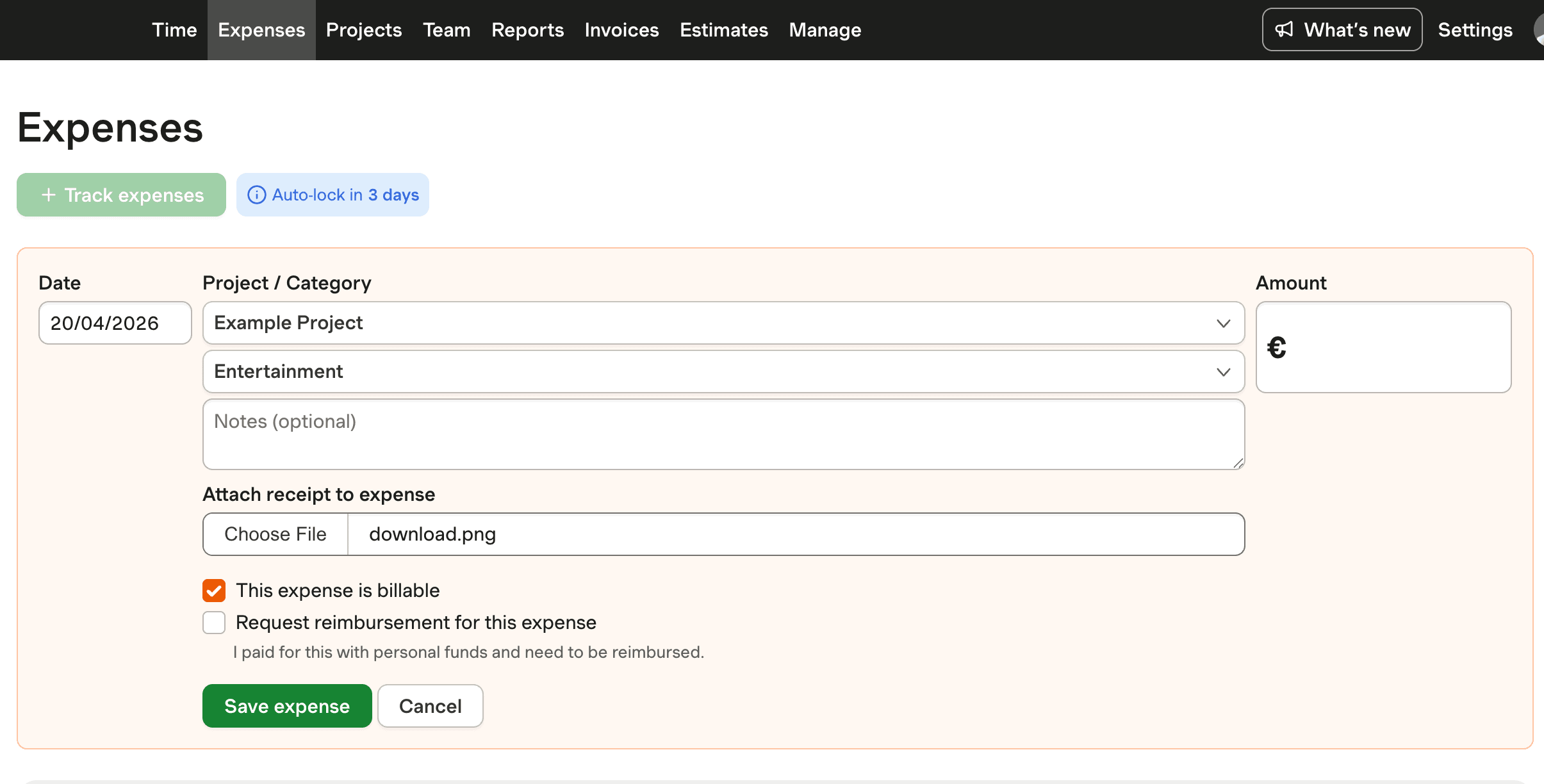
Simplifying Expense Tracking with Harvest

Harvest offers an effective solution for businesses looking to simplify project-based expense management. One of the standout features of Harvest is its ability to itemize travel-related expenses, such as airfare and lodging, by creating custom categories. This capability is crucial for businesses that need to maintain precise records for tax purposes and to ensure accurate budgeting.

By categorizing expenses, Harvest helps businesses differentiate between reimbursable and non-reimbursable expenses, which is essential for maintaining financial transparency and accountability. This functionality allows businesses to avoid common pitfalls such as mixing personal and business expenses, ultimately leading to more accurate financial reporting and decision-making.

Enhancing Financial Oversight with Project-Based Budgeting

Harvest is particularly adept at tracking project-related expenses, which is a critical component for businesses that need accurate financial oversight. By enabling detailed tracking of expenses against project budgets, Harvest ensures that managers can maintain control over project costs and avoid budget overruns. This level of oversight is vital for businesses that operate on tight financial margins and need to ensure every dollar is accounted for.

Furthermore, by providing real-time visibility into expense data, Harvest empowers finance teams to make informed decisions quickly. This capability not only enhances financial oversight but also boosts productivity, as finance staff can save 1-2 hours per week on spend reviews, while employees save 4-5 hours per week on receipt tracking and uploads.

Maximizing Efficiency with Automation and Integration

The integration of expense management systems with accounting software is a powerful strategy for maximizing efficiency. While Harvest excels at invoicing through integrations with QuickBooks and Xero, it shines in its ability to streamline expense tracking and categorization within its own platform. By automating these processes, businesses can significantly reduce errors and improve the speed of financial reporting.

Automation is a key driver of productivity, reducing the time spent on manual data entry and allowing businesses to focus on more strategic tasks. For example, businesses that have implemented automated expense management solutions have reported a 75% reduction in reconciliation time, decreasing from 40 hours to just 10 hours per month. This efficiency gain translates into cost savings and more timely financial insights.

Streamline Expenses with Harvest

See how Harvest tracks and categorizes project expenses, enhancing budgeting accuracy and financial oversight.

Harvest project-based expense management screenshot

Quickbooks Expense Report Template FAQs

  • An expense report should include essential details such as the date, vendor, category, amount, and business purpose of each expense. It typically requires supporting documentation like receipts. Accurate categorization and differentiation between reimbursable and non-reimbursable expenses are also crucial.

  • To use a QuickBooks expense report template effectively, ensure that all necessary financial data, such as receipts and transaction details, are accurately captured. Regularly update the template to reflect real-time expenses and ensure it aligns with your company’s financial policies for reimbursement and tax reporting.

  • Harvest helps with expense tracking by allowing users to itemize travel-related expenses and categorize them for tax purposes. It differentiates between reimbursable and non-reimbursable expenses, providing clarity and accuracy in financial reporting.

  • Automation in expense management reduces the cost of processing expense claims by up to 78%, minimizes errors, and enhances efficiency. It allows businesses to focus on strategic tasks, improving productivity and financial oversight.

  • While Harvest integrates with QuickBooks and Xero for invoicing, it does not sync individual expense entries to these platforms. Harvest focuses on providing efficient tracking and categorization within its own system, enhancing project-based expense management.

  • Common pitfalls include losing receipts, mixing personal and business expenses, and submitting duplicate claims. Organizations can avoid these by establishing clear expense policies and leveraging tools like Harvest for accurate tracking and categorization.

  • Harvest enhances project-based budgeting by tracking expenses in real time against project budgets. This enables managers to maintain control over costs, ensuring financial accuracy and avoiding budget overruns.

  • Digital tools like Harvest transform expense management by reducing manual errors, saving time, and providing real-time financial insights. They improve productivity, transparency, and efficiency in financial operations.