
Harvest
Expenses
Sign up

Project Expense Tracker for Architecture

Architecture firms face a 45% shortfall in financial tracking satisfaction. Harvest offers a tailored project expense tracker to streamline budgeting and reporting.

EXPENSE REPORT DRAFT

Drop your receipts here or click to upload

Images and PDFs (max 10 MB each)

Date
Category
Merchant
Description
Amount
Total
$0.00

Customise report

Appearance

Show report title

Report settings

The Importance of Accurate Expense Tracking in Architecture

Accurate expense tracking is crucial for architecture firms to manage finances effectively and stay profitable. A Deloitte study reveals that 45% of architecture firms in Quebec find their financial tracking insufficient, highlighting a significant industry challenge. Moreover, organizations lose approximately 5% of their revenue annually to fraud, with expense reimbursement fraud being a notable contributor. For architecture firms, robust expense management is essential to mitigate these risks and enhance financial oversight.

Harvest addresses these challenges by providing a comprehensive project expense tracker tailored for architecture firms. By integrating expense tracking into the project budget, Harvest helps firms manage costs across different phases, such as design, documentation, and construction. This ensures that expenses are aligned with project goals and helps prevent budget overruns. Firms using systematic profitability management can see revenue increases of up to 21% in the first year, demonstrating the financial benefits of effective expense tracking.
Customizable Reporting for Architectural Projects

For architecture firms, the ability to customize reports is essential to understand project performance and make informed decisions. The American Institute of Architects (AIA) identifies scope creep and extended receivable cycles as major concerns, impacting project profitability and cash flow. Effective reporting tools can help firms address these issues by providing detailed insights into project expenses and progress.

Harvest offers customizable reporting tools that allow architecture firms to generate detailed expense reports filtered by client, project, person, or date. This feature enables firms to track expenses specific to architectural projects, such as materials, labor, and subcontractor costs. By using Harvest's reporting capabilities, firms can better monitor their financial health and ensure projects remain within budget. This level of insight is instrumental in maintaining a 12-15% profit margin, particularly for top-performing firms.

Expense Categorization for Architecture Firms

Expense categorization is a critical component of financial management for architecture firms. According to industry standards, the overhead rate for architecture firms ranges from 150% to 175% of direct labor costs. Exceeding this rate often indicates the need for better overhead expense management. Categorizing expenses accurately ensures that firms allocate resources efficiently and maintain financial discipline.

Harvest allows administrators to create custom expense categories tailored to track architectural project costs such as materials, labor, and subcontractor expenses. This feature is particularly beneficial for firms facing material price increases, as seen with the 12% rise in 2024. By categorizing expenses, firms can gain a clearer understanding of their financial commitments and adjust budgets as necessary. This proactive approach to expense management helps prevent budget overruns and supports effective project planning.

Integrating Expense Tracking with Project Management

Integrating expense tracking with project management processes is vital for architecture firms aiming to streamline operations and enhance financial visibility. The construction industry, which shares many characteristics with architecture, demonstrates the benefits of integrating mobile applications for receipt capture and AI-driven tools for categorization. Architecture firms can similarly benefit from integrated financial systems.

While Harvest excels at tracking time and expenses, it does not directly integrate with design software like AutoCAD. Instead, Harvest focuses on providing detailed expense tracking and reporting features that support architectural project management. By using Harvest, firms can consolidate data from various sources, offering real-time insights into project expenses and improving financial visibility. This integration helps address common challenges such as scope creep and unbilled work, ensuring projects are completed within budget and on time.

Automated Systems for Enhanced Compliance and Efficiency

Compliance with financial regulations is a fundamental requirement for architecture firms. Poorly organized financial records can lead to audit issues and missed tax deductions, posing significant risks. Automating expense tracking is a proven strategy to enhance compliance and efficiency, reducing the time spent on expense processing by up to 70%.

Harvest offers automated expense tracking systems that help architecture firms maintain meticulous financial records. By automatically flagging non-compliant expenses and providing built-in tax and audit tools, Harvest ensures that firms are prepared for any regulatory reviews. This automated approach not only enhances compliance but also frees up valuable time for employees to focus on core responsibilities, ultimately boosting productivity and operational efficiency.

Track Architecture Expenses with Harvest

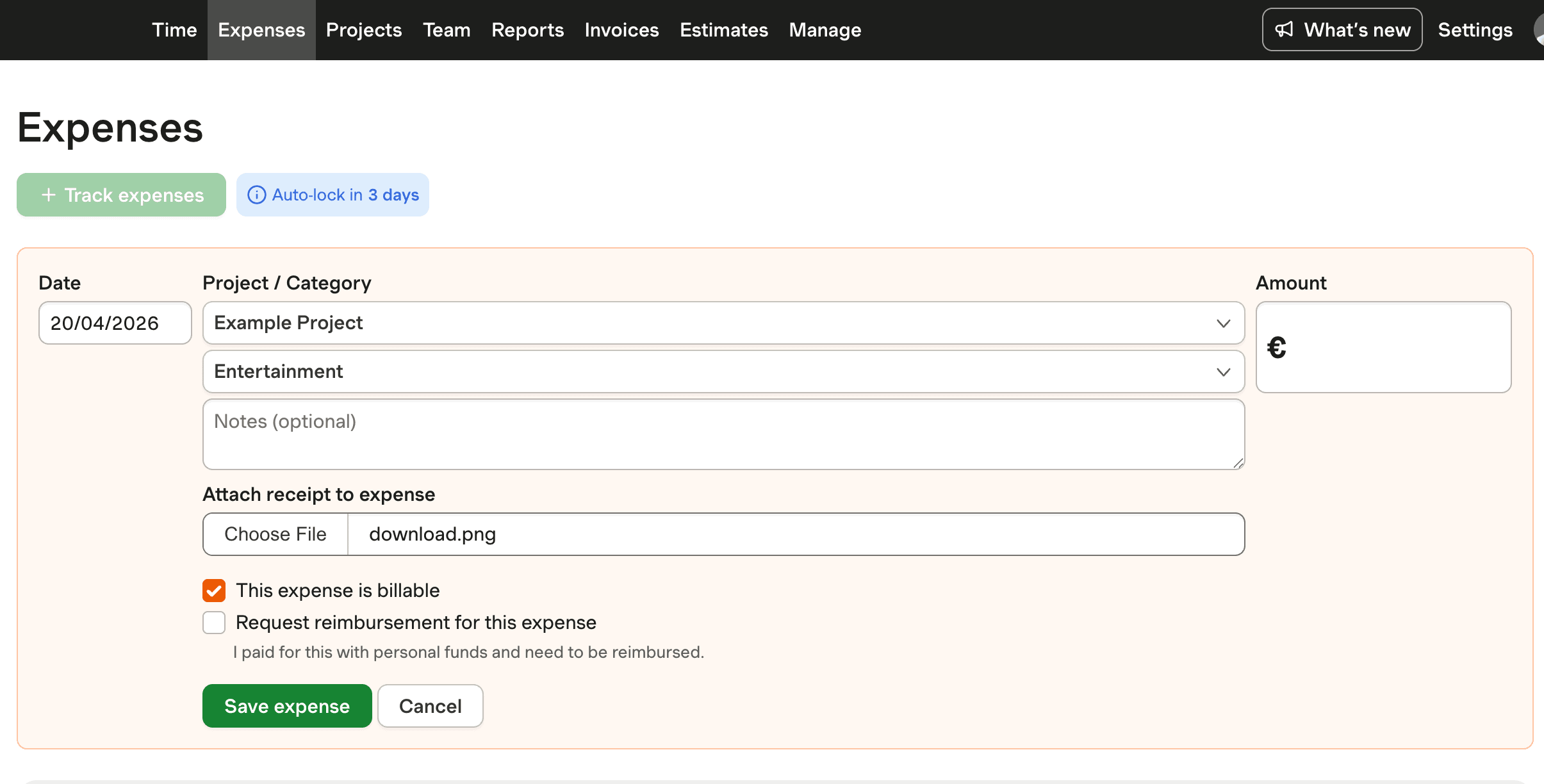
Harvest provides detailed tracking for architecture project expenses, helping firms manage budgets and improve profitability.

Screenshot of Harvest tracking architecture project expenses

Project Expense Tracker for Architecture FAQs

  • An expense tracker for architecture should offer customizable reporting, expense categorization, and integration with project phases like design and construction. Harvest provides tools to manage these aspects effectively, ensuring accurate financial oversight.

  • Architecture firms can manage project expenses effectively by using software like Harvest, which offers customizable reports and expense categorization. This approach helps track costs across project phases and prevents budget overruns.

  • Accurate expense tracking is vital for maintaining profitability and financial oversight. Firms that implement robust tracking systems can see revenue increases of up to 21%, highlighting the financial benefits of precise management.

  • Harvest allows architecture firms to create custom expense categories tailored to their needs, such as materials and labor costs. This feature aids in maintaining financial discipline and accurate budget tracking.

  • Yes, Harvest can track expenses across different architectural project phases by setting budgets tied to total project fees. This helps firms manage costs effectively during design, documentation, and construction phases.

  • Automated expense systems like Harvest enhance compliance and efficiency by reducing processing time by up to 70%. They also ensure meticulous financial records, aiding in regulatory compliance.

  • Common challenges include budget overruns, scope creep, and lack of real-time financial visibility. Using integrated systems like Harvest can help address these issues by providing centralized financial tracking and reporting.

  • Harvest improves financial oversight by offering detailed tracking and reporting tools. Firms can monitor expenses by project, client, or category, ensuring comprehensive financial visibility and control.