
Harvest
Expenses
Sign up

Requesting Reimbursement

Harvest streamlines expense tracking and categorization, reducing processing time by 60% and cutting costs by 35%, making reimbursement requests efficient and accurate.

  • Attach receipts to projects & tasks
  • Turn tracked expenses into client invoices
  • Free 30-day trial, no credit card needed

or drag & drop • Images and PDFs, max 10 MB

Understanding the Reimbursement Process

Requesting reimbursement for business-related expenses requires clear understanding and adherence to proper procedures. To ensure a smooth reimbursement process, it's crucial to provide comprehensive documentation and follow company policies closely. Manual tracking of expenses often leads to errors and delays, with 75% of businesses recognizing the vulnerability to fraud. This can result in up to 5% of annual revenue loss due to policy violations.

Adopting digital transformation and automation in expense management can significantly mitigate these risks. For instance, businesses that automate their expense management processes report a 60% reduction in processing time and a 35% cut in costs. Moreover, automated systems can decrease expense report errors by 65%, ensuring a more efficient and accurate reimbursement process. By using solutions like Harvest, teams can easily track and categorize expenses, facilitating smoother reimbursement workflows.
The Role of Digital Tools in Expense Management

Digital tools have revolutionized the way expenses are managed and reimbursed. With the global market for expense management software projected to reach $17 billion by 2032, there is a clear trend towards automation and integration. Companies implementing AI-driven expense tracking save an average of $75 per report, illustrating the cost-effectiveness of these solutions.

Harvest streamlines expense tracking and categorization, making it easier for teams to manage project-based expenses. This is particularly important as 47% of employees experience delays in reimbursements due to outdated approval processes. By leveraging Harvest's capabilities, businesses can reduce processing costs by 58% compared to manual systems, all while improving productivity and compliance.

Best Practices for Requesting Reimbursement

To ensure timely and accurate reimbursement, follow these best practices: first, provide detailed and accurate documentation for all expenses. This includes attaching receipts and categorizing expenses properly. Second, adhere to any company-specific policies regarding allowable expenses and reimbursement timelines, although Harvest does not enforce these directly.

Finally, utilize tools like Harvest to streamline the submission and approval of expenses. While Harvest does not directly align reimbursement requests with payroll cycles, it allows expenses to be submitted as part of weekly timesheets, ensuring they are processed efficiently. Incorporating these practices can lead to significant improvements in the accuracy and speed of reimbursements, as well as overall employee satisfaction.

The Importance of Real-Time Expense Visibility

Real-time visibility into expenses is crucial for proactive financial decision-making. In 2025, 70% of finance teams prioritize this capability, reflecting its importance in modern expense management. With mobile-based expense reporting seeing a 42% increase in adoption, having real-time data at your fingertips is now more critical than ever.

Harvest provides this real-time visibility, allowing organizations to identify spending patterns and potential areas for cost savings. By integrating expense management with other business systems, Harvest ensures data integrity and reduces manual data re-entry. This integration facilitates real-time data sharing, providing finance teams with the insights needed to make informed financial decisions.

Streamline Reimbursements with Harvest

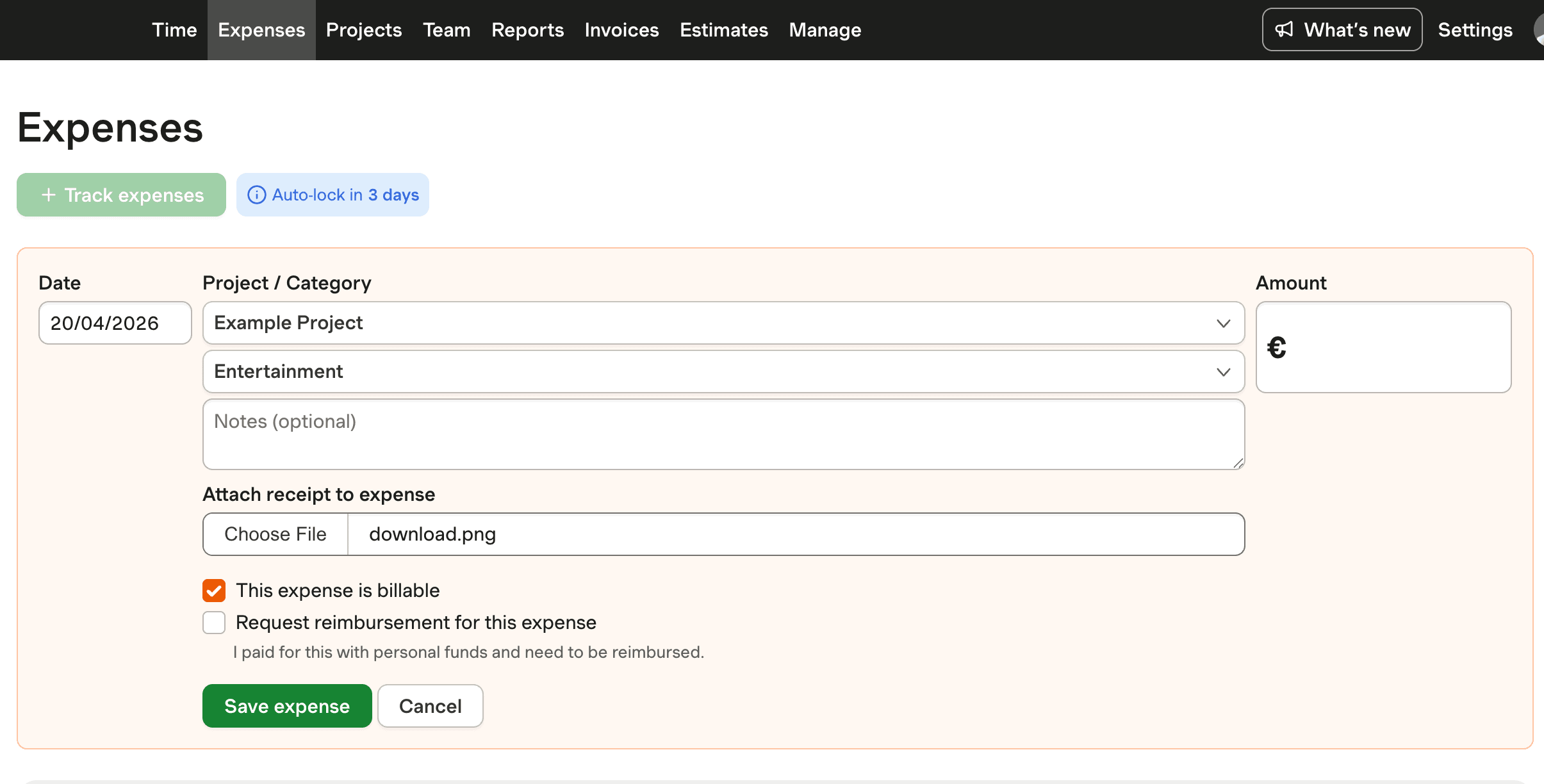
Harvest simplifies tracking and categorizing expenses for efficient reimbursement. View expenses in real-time and improve accuracy with Harvest.

Harvest dashboard showing expense tracking and categorization for reimbursement.

Requesting Reimbursement FAQs

  • A reimbursement request should include detailed documentation of the expenses incurred, such as receipts and categorizations. It's also important to reference any relevant company policies on allowable expenses and timelines for processing.

  • When writing a reimbursement request email, be clear and concise. Include all necessary details such as the purpose of the expense, the total amount, and attached documentation like receipts. Also, outline any relevant policy references to ensure smooth processing.

  • Timelines for reimbursement can vary greatly depending on company policies and the efficiency of their expense management system. On average, manual systems can cause significant delays, but automated systems like Harvest can expedite the process by integrating expense submissions with weekly timesheets.

  • Automation in expense management is crucial as it reduces processing time by 60% and cuts costs by 35%. Automated systems decrease errors and enhance compliance, making them indispensable for modern businesses looking to optimize their reimbursement processes.

  • Harvest simplifies the reimbursement process by tracking and categorizing expenses accurately. This ensures that teams can manage project-based expenses efficiently, facilitating smoother workflows and reducing the risk of errors in expense reports.

  • Harvest allows users to track various types of expenses by categorizing them effectively. While it doesn't enforce specific documentation requirements, it provides the tools needed to attach receipts and manage expenses across different categories.

  • Real-time visibility enables finance teams to monitor spending patterns, identify cost-saving opportunities, and make proactive financial decisions. Tools like Harvest offer this capability, which is increasingly prioritized by finance departments.