
Harvest
Expenses
Sign up

Wifi Reimbursement

Harvest streamlines time tracking and invoicing, crucial for managing remote work expenses like WiFi reimbursement effectively. Stay compliant with Harvest.

EXPENSE REPORT DRAFT

Drop your receipts here or click to upload

Images and PDFs (max 10 MB each)

Date
Category
Merchant
Description
Amount
Total
$0.00

Customise report

Appearance

Show report title

Report settings

Understanding WiFi Reimbursement for Remote Workers

WiFi reimbursement is a critical consideration for remote workers, as the number of Americans working from home has surged to over 27.6 million. For employees, the ability to claim reimbursement for expenses like home internet is not only about reducing personal costs but also ensuring compliance with various legal requirements. For instance, under federal law, employers are required to reimburse work-related expenses if not doing so would reduce an employee's pay below the federal minimum wage of $7.25 per hour. This makes understanding reimbursement policies essential for both employees and employers.

State-specific laws further complicate the landscape. In California, for example, employers must reimburse a "reasonable percentage" of home internet costs incurred in the course of employment. Similarly, Illinois mandates that all necessary expenses related to employment must be reimbursed. As of mid-2025, at least eleven states have enacted laws requiring reimbursement for certain work-related expenses, each with its own nuances. Understanding these laws can help ensure that both employees and employers remain compliant and avoid potential penalties.
Calculating Reimbursable WiFi Expenses

Calculating reimbursable WiFi expenses involves determining the portion of the internet bill that is attributable to work-related use. Many companies have moved towards structured reimbursement policies, as opposed to ad-hoc arrangements, to simplify this process. For example, a common practice is to reimburse a percentage of an employee's internet bill based on estimated work usage, such as 33.33% if one-third of the day is spent working. This approach not only provides clarity but also supports legal compliance.

Employers often choose to offer flat stipends to cover internet costs, simplifying administration and ensuring fairness. For instance, some organizations provide a $40 per month stipend for internet usage, which can be adjusted based on actual needs. However, it's crucial to ensure that such stipends are adequate and comply with state laws. Companies are advised to establish clear policies that define eligible expenses, the calculation method for reimbursements, and the documentation required from employees, such as receipts.

Legal and Compliance Considerations

Compliance with legal requirements is paramount for businesses offering WiFi reimbursement. Federal laws set a baseline, but many states have additional mandates. California and Illinois, for example, require reimbursement for necessary employment-related expenses, including internet costs. Employers must be mindful of these requirements to avoid legal repercussions, such as financial penalties or lawsuits.

The IRS also plays a role in structuring reimbursements. To ensure tax-free treatment, reimbursements must be managed under an "accountable plan," which requires that expenses have a business connection, be substantiated with documentation, and excess reimbursements be returned. Non-compliance can lead to significant penalties, emphasizing the importance of understanding and adhering to both state and federal guidelines.

Best Practices for Implementing Reimbursement Policies

Establishing effective WiFi reimbursement policies requires careful planning and clear communication. Industry experts recommend defining what constitutes a "remote employee" and delineating between full-time remote and hybrid work arrangements. Companies should outline eligible expenses and establish a straightforward process for employees to submit claims, including necessary documentation like receipts.

Employers can avoid common pitfalls by engaging with their remote workforce to understand their needs and ensuring fairness in stipend distribution. It’s also advisable to integrate reimbursement policies with existing HR and payroll systems for efficient processing and compliance. Regular reviews and updates of these policies will ensure they remain aligned with changing laws and the evolving needs of remote work environments.

Manage WiFi Reimbursement with Harvest

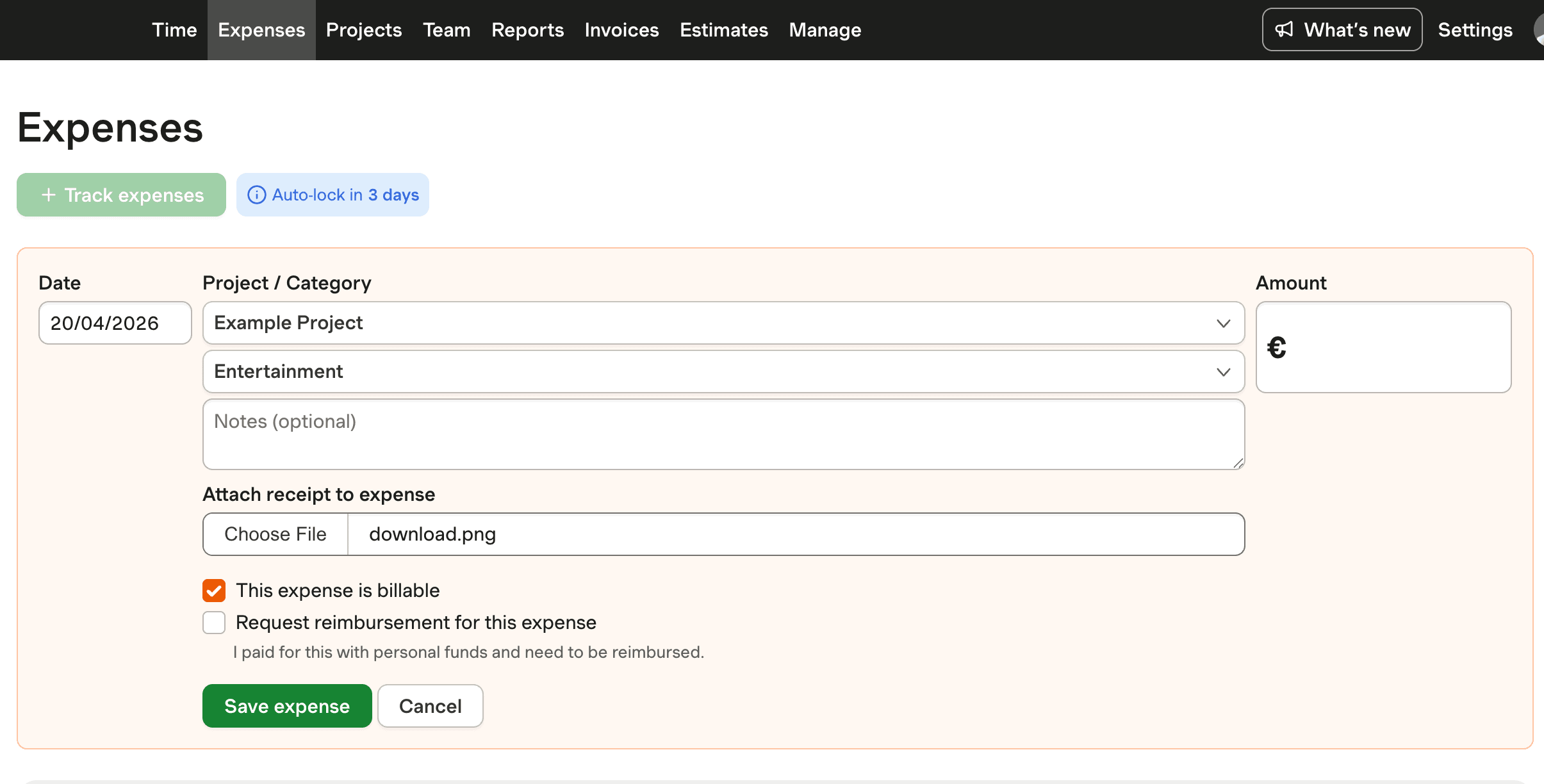
Harvest offers tools to manage WiFi reimbursement, ensuring compliance and efficiency for remote work expenses.

Screenshot of Harvest's interface managing WiFi reimbursement for remote work.

Wifi Reimbursement FAQs

  • To get reimbursed for home internet expenses, check if your employer offers a reimbursement policy for remote work-related costs. You will typically need to submit a portion of your internet bill that represents work usage, accompanied by receipts or other documentation. Employers may also offer a flat stipend to cover such costs.

  • Under federal law, employers must reimburse work-related expenses if the cost would reduce an employee’s pay below the federal minimum wage of $7.25 per hour. This includes expenses that could lower exempt employees' earnings below $684 per week. However, specific requirements can vary based on state laws.

  • States like California and Illinois have specific laws requiring employers to reimburse necessary work-related expenses, including home internet costs. Additionally, at least eleven other states have similar requirements, so it's important to check the specific laws of your location.

  • A reasonable percentage for internet reimbursement typically reflects the proportion of the internet used for work. For example, if you spend one-third of your time working from home, reimbursing 33.33% of your internet bill might be considered reasonable. Employers often establish their own guidelines based on typical usage patterns.

  • Employers can calculate mixed-use internet expenses by estimating the portion of the internet service used for work. This is often done by prorating the bill based on the percentage of time spent working. Alternatively, some employers offer flat stipends to simplify the process.

  • WiFi stipends can be considered taxable income unless they are reimbursed under an "accountable plan" that meets IRS requirements. This requires business connection, expense documentation, and returning excess reimbursements to ensure tax-free treatment.

  • To claim WiFi reimbursement, employees generally need to provide a copy of their internet bill showing the total cost and the portion claimed for work-related use. Additional documentation may include a breakdown of work hours and any company-specific forms or policies.

  • While Harvest does not directly manage WiFi reimbursements, it offers tools for tracking time and invoicing, which can aid in managing remote work expenses efficiently. This assists in maintaining compliance with reimbursement policies.

  • Employers ensure compliance by staying informed about state-specific laws, establishing clear reimbursement policies, and maintaining thorough documentation. Regular policy reviews and updates are also essential to adapt to evolving legal requirements.