
Harvest
Expenses
Sign up

Reimbursement Taxable

Harvest supports businesses in substantiating employee reimbursements by enabling receipt uploads and categorization, crucial for IRS compliance.

  • Attach receipts to projects & tasks
  • Turn tracked expenses into client invoices
  • Free 30-day trial, no credit card needed

or drag & drop • Images and PDFs, max 10 MB

Understanding Taxable Reimbursements

In the United States, whether an expense reimbursement is taxable or not hinges on the type of plan under which it is processed. The IRS classifies these plans as either "accountable" or "non-accountable." For reimbursements to be non-taxable under an accountable plan, three criteria must be met: the expenses must be business-related, adequately documented, and any excess must be returned within a specified period. If these conditions aren't fulfilled, the reimbursement becomes taxable, subject to income tax and payroll taxes.

Failure to adhere to these guidelines can result in the entire amount of reimbursement being taxed as wages. For businesses, establishing a compliant accountable plan is crucial. Unfortunately, many companies overlook these requirements, leading to compliance issues. Harvest, while not managing tax compliance, helps businesses ensure accurate documentation through features like receipt uploads and expense categorization, supporting the substantiation requirements of accountable plans.
Accountable vs. Non-Accountable Plans

The distinction between accountable and non-accountable plans is critical when determining the taxability of reimbursements. An accountable plan requires employees to prove that expenses are directly related to business activities and to return any excess funds. In contrast, non-accountable plans do not mandate such documentation, causing reimbursements to be taxable.

Proper documentation is vital under accountable plans, and Harvest facilitates this by allowing users to upload receipts and categorize expenses efficiently. This capability supports businesses in adhering to IRS guidelines for non-taxable reimbursements, even though Harvest does not manage the full scope of tax compliance. By using Harvest, businesses can streamline their expense tracking, reducing the risk of non-compliance with IRS standards.

The Importance of Proper Documentation

Proper documentation of business expenses is not just good practice; it is a necessity for ensuring reimbursements remain non-taxable. The IRS requires detailed records, including receipts and logs, to verify that reimbursed expenses meet business-related criteria. This requirement is part of the "substantiation" process, which is a cornerstone of accountable plans.

Harvest offers a solution by allowing businesses to upload and organize receipts, providing the necessary substantiation for any reimbursement claims. While this does not replace comprehensive tax advice or compliance solutions, it aids in maintaining accurate records, which is essential for audit protection and compliance with IRS standards.

Practical Steps to Ensure Non-Taxable Reimbursements

To ensure that reimbursements remain non-taxable, businesses should implement a clear, documented expense policy. This policy should outline specific spending limits and a defined process for expense management. Annual training sessions to educate employees about reimbursement regulations and company policies are also advisable.

While Harvest does not manage tax compliance directly, its features for tracking and documenting expenses provide a foundational tool for businesses to build upon. By utilizing Harvest's capabilities, companies can enhance their documentation processes, reducing the risk of non-compliance and ensuring that reimbursements are processed correctly according to IRS guidelines.

Manage Reimbursement Documentation with Harvest

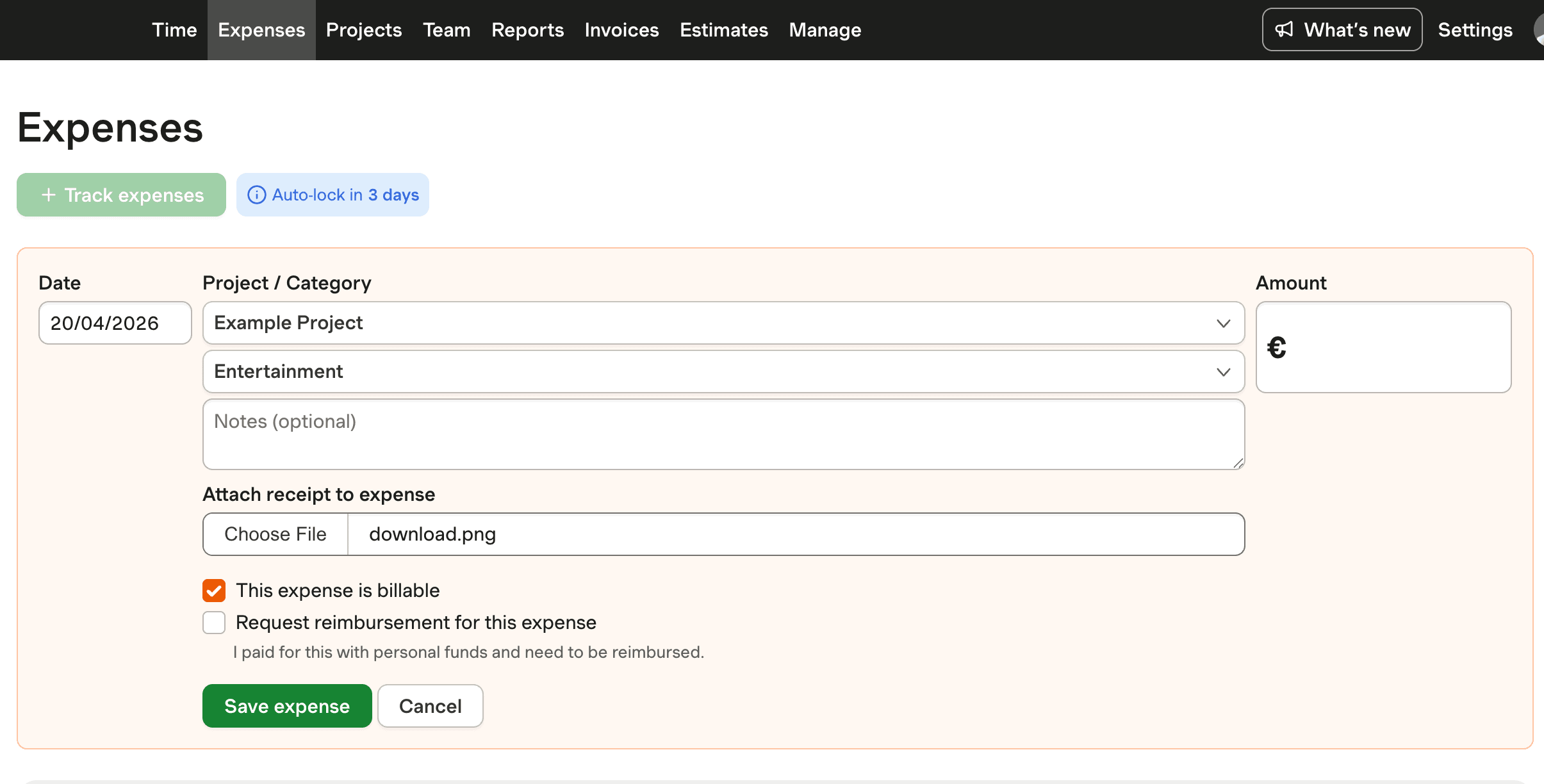
Harvest facilitates receipt uploads and expense categorization, supporting compliance for non-taxable reimbursements.

Harvest expense tracking dashboard for reimbursement management

Reimbursement Taxable FAQs

  • For an expense reimbursement to be non-taxable, it must be part of an "accountable plan" according to IRS guidelines. This means the expense must have a clear business purpose, be substantiated with proper documentation, and any excess reimbursement must be returned to the employer.

  • Harvest helps businesses by allowing receipt uploads and expense categorization, supporting the substantiation requirements needed for non-taxable reimbursements under accountable plans.

  • Accountable plans require documentation of expenses, business purpose, and return of excess funds, making reimbursements non-taxable. Non-accountable plans lack these requirements, resulting in taxable reimbursements.

  • Businesses can ensure compliance by establishing a clear expense policy, providing training on reimbursement regulations, and using tools like Harvest to manage and document expenses effectively.

  • Reimbursements under a non-accountable plan are considered taxable income, subject to income tax withholding and payroll taxes, as they do not meet IRS criteria for non-taxable reimbursements.

  • Proper documentation is essential to substantiate that expenses are business-related and meet IRS guidelines for non-taxable reimbursements, reducing the risk of them being classified as taxable income.

  • While Harvest does not manage tax compliance directly, it aids in the documentation process by enabling receipt uploads and categorization, supporting the substantiation needed for non-taxable reimbursements.