
Harvest
Expenses
Sign up

Restaurant Daily Sales and Expenses Excel

Harvest provides small-to-medium businesses with efficient expense tracking, ideal for those needing project-based solutions. While not tailored for restaurant-specific sales tracking, it excels in managing general expenses.

EXPENSE REPORT DRAFT

Drop your receipts here or click to upload

Images and PDFs (max 10 MB each)

Date
Category
Merchant
Description
Amount
Total
$0.00

Customise report

Appearance

Show report title

Report settings

Understanding Restaurant Sales and Expense Tracking

Tracking daily sales and expenses is crucial for the financial health of a restaurant. With the restaurant industry projected to reach $1.2 trillion in sales by 2030, having a robust tracking system is more important than ever. Restaurants typically operate on tight profit margins, averaging around 5%, and face rising costs in both food and labor, which have increased by 21.8% and 18.3% respectively over the past three years. A well-structured Excel template can help streamline these processes, enabling restaurant owners to make informed decisions based on accurate financial data.

An effective daily sales and expense template should include sections for tracking revenues from different categories—such as entrees, beverages, and desserts—as well as expenses like food, labor, and utilities. This allows for a clear overview of where money is coming from and where it is being spent, helping to identify areas for cost control and efficiency improvements. Additionally, using Excel formulas to automate calculations can save time and reduce errors.
Key Features of a Comprehensive Excel Template

A comprehensive Excel template for restaurant sales and expenses should deliver more than just basic data entry capabilities. It should include automated calculations for key metrics such as Cost of Goods Sold (COGS) and labor costs, which typically account for 60% to 65% of a restaurant's sales. With food and beverage costs alone ranging from 25% to 35% of total sales, and labor costs often matching this percentage, accurately tracking these figures is essential.

1. Automated Calculations: Ensure your template can automatically calculate daily totals, weekly averages, and monthly summaries. This reduces manual error and provides real-time insights into financial health.

2. Customizable Categories: Flexibility to add, remove, or modify categories based on your specific restaurant needs—such as new menu items or seasonal promotions—ensures the template remains relevant.

3. Integration Capabilities: While Harvest excels in project-based expense tracking, ensuring your Excel template can integrate with your existing POS (Point of Sale) systems can streamline data entry and reporting.

Optimizing Financial Management with Technology

Embracing technology can significantly improve the accuracy and efficiency of financial management in restaurants. According to a Toast POS Industry Report, restaurants using automated financial tools save over 12 hours per week on administrative tasks. While Harvest offers robust solutions for time and expense tracking, it's important to integrate with other tools for comprehensive financial management.

Using cloud-based accounting systems alongside your Excel template can provide real-time updates and insights. This integration allows restaurant owners to access their financial data anywhere, ensuring timely adjustments to operations and strategy. Additionally, leveraging mobile accounting applications can simplify the process of capturing and categorizing expenses, making it easier to maintain compliance with tax regulations.

Tools and Tips for Effective Expense Management

Successful expense management in restaurants requires a combination of strategic planning and effective tools. Implementing a detailed chart of accounts tailored to your restaurant's specific needs can provide clarity on revenue streams and expenditures. Regular reconciliation of accounts, ideally weekly, helps catch discrepancies early and maintain cash flow accuracy.

Inventory management is another critical area where technology can make a difference. Automated systems can track stock levels and predict needs based on past sales, helping to minimize waste and reduce costs. Additionally, cross-training staff and optimizing schedules based on sales data can lead to significant labor cost savings.

While Harvest provides excellent tools for project-based expense tracking, integrating it with other systems like POS and inventory management software can enhance overall financial oversight. This integration ensures that all aspects of financial management work seamlessly together, providing a comprehensive view of the business's economic health.

Track Restaurant Sales with Harvest

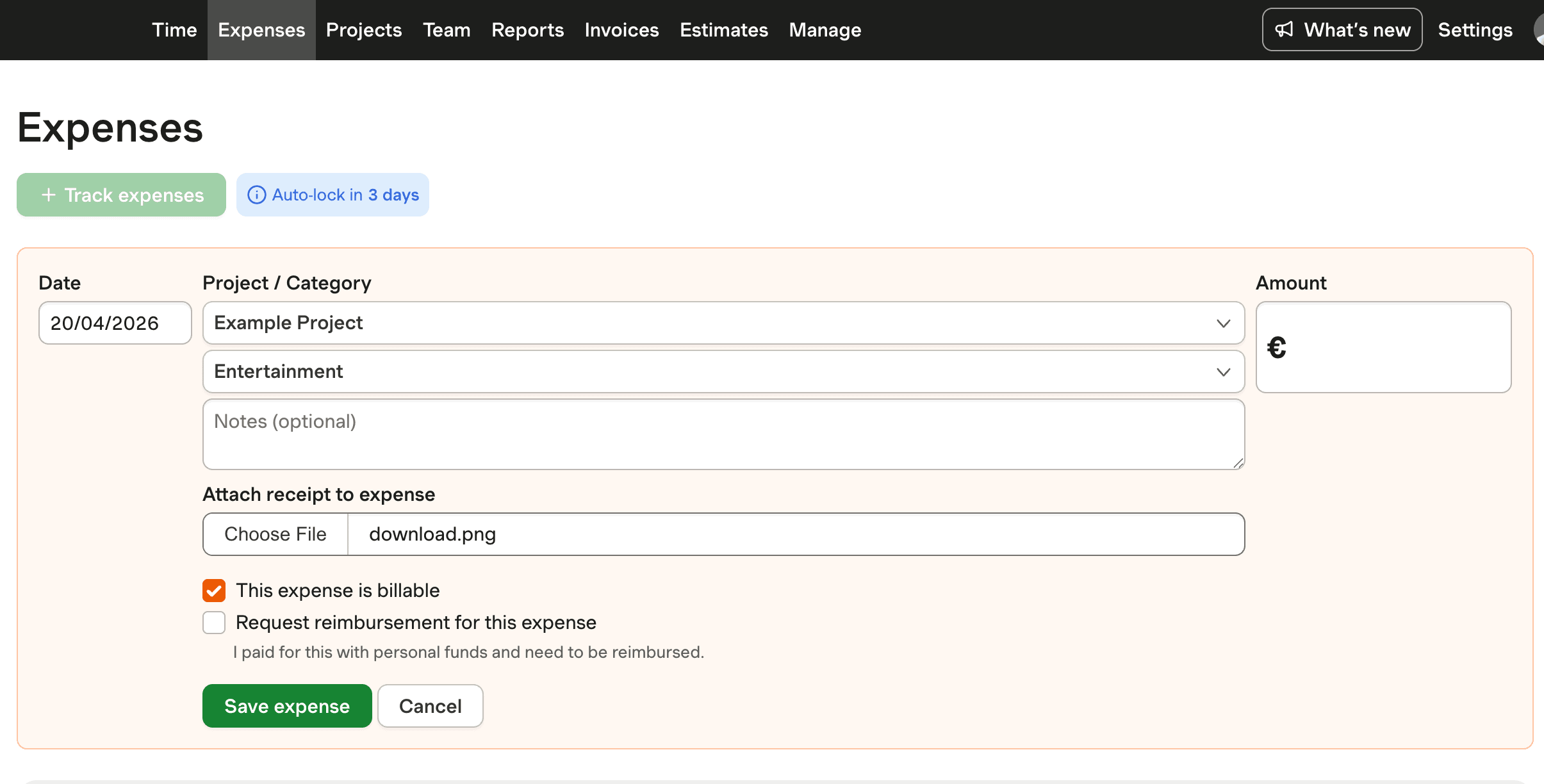
Explore how Harvest helps track restaurant expenses, offering insights into managing daily sales and costs effectively.

Harvest expense tracking interface for restaurant sales and expenses

Restaurant Daily Sales and Expenses Excel FAQs

  • A good template should include sections for revenue from different categories, automated calculations for key metrics, and customizable options for specific needs. This helps track sales, expenses, and identify cost-saving opportunities.

  • Excel formulas automate calculations for daily totals, averages, and summaries, reducing manual errors. They enable real-time insights into expenses and revenue, aiding in financial decision-making.

  • Key costs include food and beverage expenses, labor costs, and other operating expenses. These typically account for 60% to 65% of a restaurant's sales, making accurate tracking essential for profitability.

  • Technology, like cloud-based accounting and POS integrations, provides real-time data, reduces manual tasks, and improves accuracy. This streamlines financial operations and helps in making informed decisions.

  • Yes, formulas for calculating profit margins typically include dividing net profit by total sales. While Harvest focuses on expense tracking, integrating with accounting software can provide these calculations.

  • Harvest excels in tracking general expenses and project-based financial management, making it useful for restaurants focusing on expense management rather than detailed sales analysis.

  • Implementing automated systems for real-time tracking and using data analytics to predict needs can reduce waste and improve cost efficiency. These practices are crucial for optimizing food costs.