
Harvest
Expenses
Sign up

State Employee Travel Reimbursement

Harvest streamlines mileage tracking for state business, allowing precise reimbursement calculations. Easily manage and track your mileage expenses with Harvest.

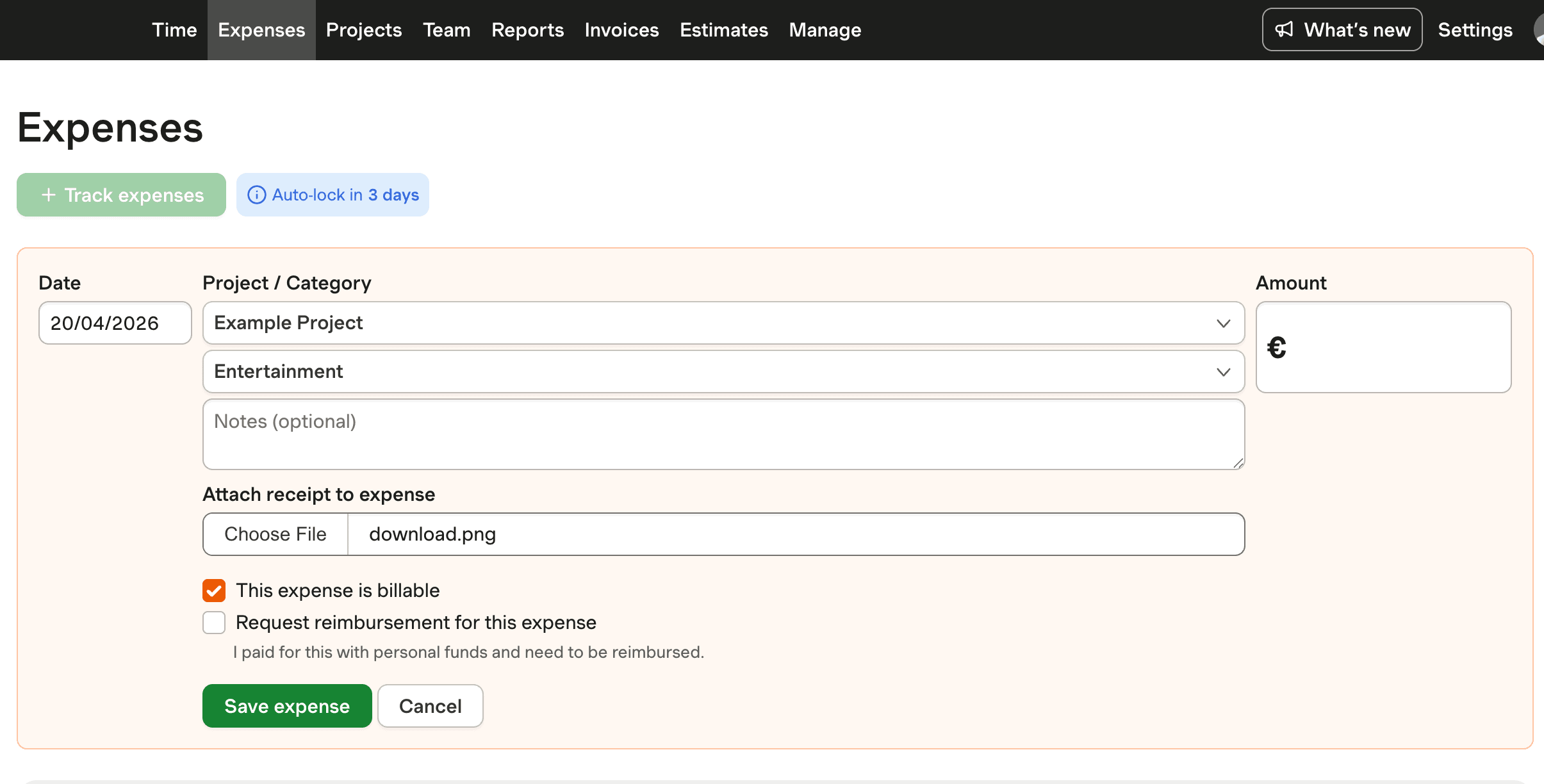
  • Attach receipts to projects & tasks
  • Turn tracked expenses into client invoices
  • Free 30-day trial, no credit card needed

or drag & drop • Images and PDFs, max 10 MB

Understanding State Employee Travel Reimbursement

State employee travel reimbursement policies ensure public funds are used prudently while supporting employees’ travel needs. These policies often cover travel-related expenses such as meals, lodging, and transportation based on pre-defined rates. For instance, Texas reimburses state employees for mileage at 65.5 cents per mile as of 2023. Understanding these details is crucial for compliance and effective budget management.

While specific reimbursement rates for meals and lodging vary by state, a common approach is to adopt per diem rates, which streamline accounting and reduce the need for extensive receipt tracking. According to the U.S. General Services Administration (GSA), these rates simplify the process and enhance cost control. However, Harvest can support mileage reimbursement by allowing administrators to set a per-mile rate for tracking these expenses.
Navigating Reimbursement Regulations and Compliance

Compliance with reimbursement regulations is mandatory, especially for federal employees governed by the Federal Travel Regulation System (FTRS). This framework ensures statutory compliance and minimizes costs. For example, IRS rules stipulate that expense reimbursements must meet 'accountable plan' criteria, with expenses having a business connection and being adequately documented.

Despite these complexities, Harvest simplifies tracking mileage expenses for state business, allowing for accurate records and compliance with state policies. However, it is essential to be aware that Harvest does not manage specific state reimbursement guidelines, such as meal or lodging rates. Instead, it provides a platform for manual entry of necessary expenses, aiding in overall financial management.

Best Practices for Efficient Travel Reimbursement

Implementing best practices in travel reimbursement can enhance efficiency and compliance. Pre-approval of travel plans, including cost estimates, ensures a justifiable business purpose. Regular policy reviews, recommended every three years, keep guidelines up-to-date and clear. Additionally, training on policy requirements for travelers and approvers can prevent errors and potential fraud.

Integrating travel and expense management systems is another recommended practice. These systems streamline manual processes, enhance visibility, and strengthen compliance. Even though Harvest does not track specific state policy changes, it supports manual entry and tracking of expenses, facilitating transparency and control over travel costs.

Streamlining Mileage Tracking with Harvest

For state employees, tracking vehicle mileage efficiently is key to accurate reimbursements. Harvest offers a solution for this by allowing administrators to set a per-mile rate, enabling easy tracking of mileage expenses. This feature aids in maintaining detailed records, ensuring compliance with state policies, and facilitating prompt reimbursements.

While Harvest excels in mileage tracking, it does not automate state-specific reimbursement rates for meals or lodging. Instead, it offers a platform where such expenses can be manually entered, providing flexibility for users to adhere to state guidelines while managing travel expenses effectively.

State Employee Travel Reimbursement with Harvest

See how Harvest helps manage mileage expenses for state employee travel reimbursements. Easily track and maintain compliance.

Harvest platform showing state employee travel reimbursement tracking.

State Employee Travel Reimbursement FAQs

  • Eligible expenses typically include transportation, lodging, and meals incurred during official travel. Each state may have specific guidelines and rates for these expenses. For instance, Texas reimburses mileage at 65.5 cents per mile as of 2023.

  • State employees usually submit reimbursement requests through their agency's travel management system, which may require documentation, such as receipts and travel itineraries. It's crucial to follow the specific procedures outlined by the respective state agency.

  • Policy changes can vary by state and are updated regularly. For example, a recent regulatory action effective in March 2024 updated regulations for electric vehicle travel. Staying informed of such changes is essential for compliance.

  • Documentation often includes receipts for lodging and meals, travel itineraries, and any pre-approval forms. Adhering to these requirements ensures compliance and facilitates prompt reimbursement processing.

  • Harvest allows administrators to set a per-mile rate for tracking mileage expenses, simplifying the process for state business. This feature aids in maintaining detailed records and ensuring compliance with state policies.

  • Harvest allows for manual entry of meal and lodging expenses but does not automate specific reimbursement rates for state employees. Users can track these expenses manually to adhere to state guidelines.

  • Best practices include pre-approving travel plans, regular policy updates, and providing comprehensive training to employees and approvers. These steps help ensure compliance and efficient management of travel expenses.