
Harvest
Expenses
Sign up

Calhr Travel Reimbursement

Navigating CalHR travel reimbursement policies can be complex. Harvest simplifies the process by streamlining expense tracking, receipt uploads, and mileage documentation.

  • Attach receipts to projects & tasks
  • Turn tracked expenses into client invoices
  • Free 30-day trial, no credit card needed

or drag & drop • Images and PDFs, max 10 MB

Understanding CalHR Travel Reimbursement Policies

The California Department of Human Resources (CalHR) has implemented a comprehensive travel reimbursement program, effective October 1, 2024, that aligns with federal standards for meal and incidental expenses (M&IE) as well as lodging rates. This overhaul simplifies reimbursement procedures for California state employees, including both excluded and rank-and-file employees. The program now utilizes the U.S. General Services Administration (GSA) rates for in-state, out-of-state, and international travel, ensuring consistency and clarity in reimbursement processes.

One of the significant changes is the adoption of a simplified reimbursement model for partial travel days. Employees can now claim up to 75% of the federal standard M&IE rate for the first and last day of travel, streamlining what was previously a more complex calculation. This change not only reduces administrative burdens but also ensures state employees are fairly compensated for their expenses.
Mileage Reimbursement and Personal Vehicle Use

CalHR's updated reimbursement policy also addresses the use of personal vehicles for state business. As of January 1, 2025, the mileage reimbursement rate increased to 70 cents per mile, with a further increase to 72.5 cents per mile effective January 1, 2026. This adjustment reflects the rising costs associated with vehicle maintenance and fuel, aligning with California Labor Code Section 2802, which mandates full reimbursement for necessary and reasonable expenses.

While Harvest simplifies the tracking of mileage expenses for any business travel, it does not manage specific state policies. However, with Harvest, employees can easily categorize and document mileage expenses, ensuring they maintain accurate records for audit purposes. This feature is particularly useful given the strict compliance requirements outlined in CalHR's travel policies.

Documentation and Compliance Requirements

For state employees, adhering to CalHR's stringent documentation requirements is critical. All expenses, except meals up to the federal maximum rates, require receipts. Lodging claims must include valid receipts, as these expenses are subject to audit by state departments or even the Internal Revenue Service (IRS). This underscores the importance of maintaining comprehensive records.

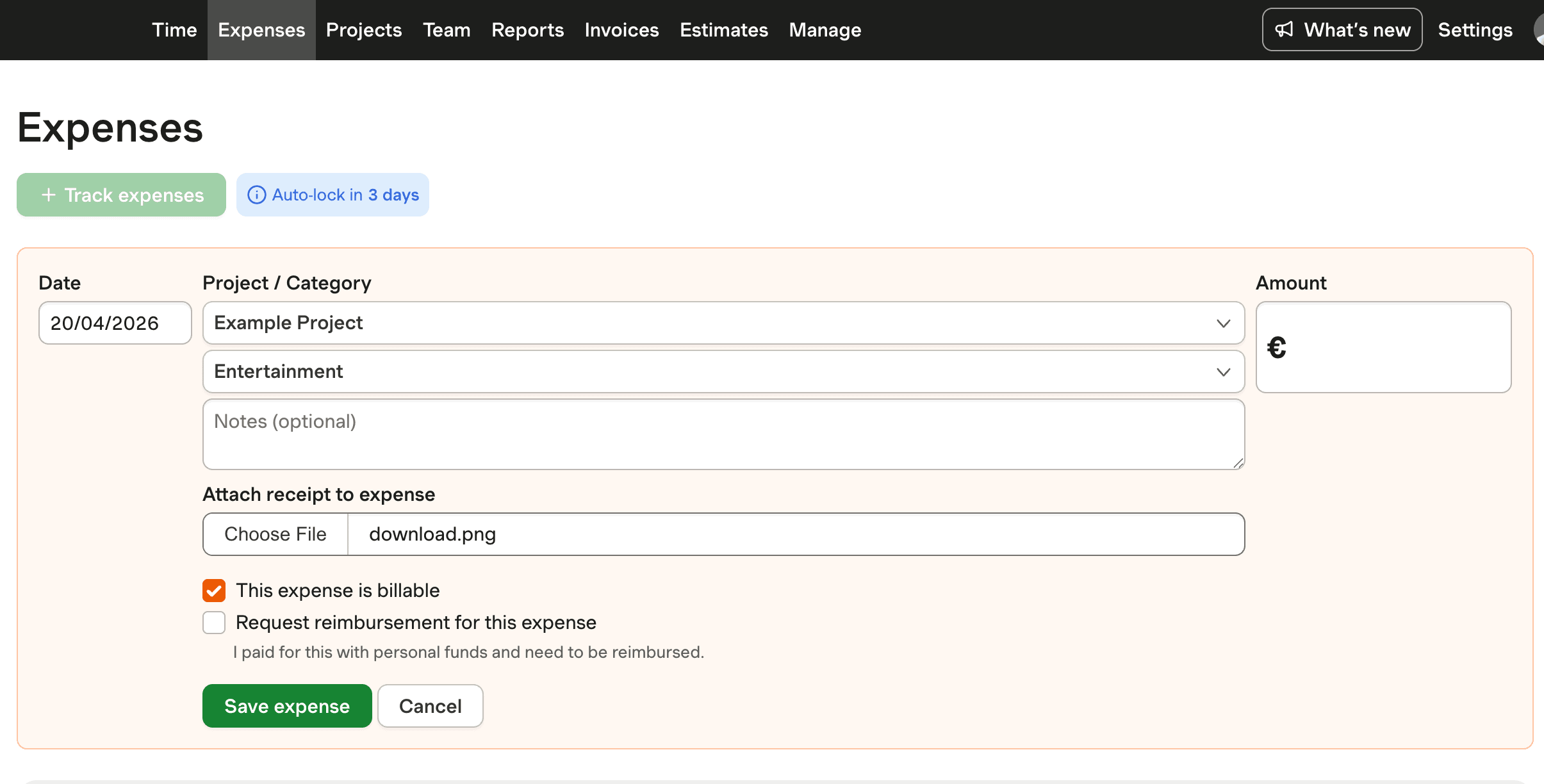
Harvest facilitates this process by allowing users to upload receipt images or PDFs directly into their expense claims. This capability ensures that all necessary documentation is readily available and organized, streamlining the submission process and reducing the risk of non-compliance. In a landscape where audit readiness is crucial, having a reliable platform like Harvest is invaluable.

Navigating Lodging and Meal Reimbursement

CalHR's travel policies include specific guidelines for lodging and meal reimbursements. For instance, employees must use state-contracted travel services for reservations unless granted an exception. Additionally, any lodging expenses exceeding standard rates require prior approval, with the delegated authority allowing departments to approve excess lodging requests up to $350 per night.

While Harvest does not manage the specific rates set by CalHR, it allows state employees to track these expenses accurately by category. This feature helps ensure that reimbursement claims are prepared correctly and are aligned with state guidelines. Employees can also avoid common pitfalls, such as claiming reimbursed meals included in conference fees, by categorizing expenses meticulously within Harvest.

Calhr Travel Reimbursement with Harvest

See how Harvest simplifies tracking CalHR travel reimbursements with features like receipt uploads and mileage tracking.

Harvest interface showing travel reimbursement tracking features.

Calhr Travel Reimbursement FAQs

  • The CalHR travel reimbursement policy outlines the procedures and rates for reimbursing California state employees for travel expenses. This includes adopting federal standard rates for meals and lodging, and increased mileage rates effective in 2025 and 2026.

  • CalHR uses the U.S. General Services Administration (GSA) rates for calculating meal and lodging reimbursements. Employees receive up to 75% of the M&IE rate for the first and last day of travel, simplifying previous calculations.

  • As of January 1, 2025, the mileage reimbursement rate for personal vehicle use is 70 cents per mile, increasing to 72.5 cents per mile in 2026. These rates reflect the costs associated with operating a personal vehicle for state business.

  • Employees must maintain receipts for all expenses except meals up to the allowable rate. Lodging claims require valid receipts, and all documentation must be available for potential audits.

  • Harvest does not manage specific CalHR reimbursement rates, but it allows users to effectively track and document expenses by category, which is essential for accurate reimbursement claims.

  • CalHR requires that employees obtain prior approval for using personal vehicles. The reimbursement rates align with California Labor Code, ensuring full coverage of necessary expenses.

  • Harvest helps by allowing users to upload receipt images or PDFs, ensuring all necessary documentation is organized and readily available for reimbursement claims and audits.