
Harvest
Expenses
Sign up

Google Sheet Mileage Log

Harvest offers automated mileage calculations and customizable logs, perfect for small businesses needing efficient expense management without IRS-specific compliance.

EXPENSE REPORT DRAFT

Drop your receipts here or click to upload

Images and PDFs (max 10 MB each)

Date
Category
Merchant
Description
Amount
Total
$0.00

Customise report

Appearance

Show report title

Report settings

The Evolution from Manual to Digital Mileage Logs

The transition from manual paper logbooks to digital solutions like Google Sheets and specialized applications has revolutionized mileage tracking. This shift is driven by the need for accuracy and efficiency in record-keeping, essential for tax deductions and reimbursements. Automated tracking can lead to substantial cost savings, with companies reporting up to 25% reduction in mileage costs. Moreover, automated systems save employees significant time, with sales drivers alone saving an average of 42 hours annually on mileage entry tasks.

Harvest offers a simple yet effective mileage tracking solution. While it doesn't provide IRS-specific compliance features, it allows small businesses to automate calculations for mileage deductions by setting a per-mile rate. This feature streamlines the expense management process, making it ideal for businesses looking to reduce manual entry errors and increase productivity.
Understanding IRS Requirements for Mileage Logs

To comply with IRS regulations, a mileage log must include the date, starting and ending locations, the business purpose, and total miles driven for each trip. These details are crucial to avoid audits and potential financial penalties. The IRS standard mileage rate, which affects deductions, was 65.5 cents per mile in 2023 and is set to increase to 72.5 cents per mile by 2026.

While Harvest does not ensure compliance with IRS-specific data points, it enables users to create a mileage expense category with customizable rates. This flexibility allows businesses to align their mileage tracking with industry-specific needs, such as real estate or delivery services, without the complexity of IRS compliance.

Automating Mileage Calculations with Harvest

Automating mileage calculations can significantly enhance accuracy and save time. Harvest simplifies this process by allowing users to set a per-mile rate, automatically calculating total expenses based on the miles logged. This feature is particularly valuable for small businesses that need to manage expenses efficiently without manually calculating each trip.

For industries like real estate and delivery services, where mileage logs are vital for operational planning and tax deductions, Harvest's customizable expense categories offer a tailored solution. This capability supports businesses in organizing their mileage data effectively, ensuring that expense management remains streamlined and error-free.

Overcoming Common Mileage Tracking Mistakes

Manual entry errors are prevalent in traditional mileage logs, with research indicating that up to 88% of spreadsheets contain errors. These mistakes often lead to inaccurate records and lost deductions. Automated solutions, such as those offered by Harvest, mitigate these risks by ensuring precise data capture and calculation.

Harvest allows users to automate mileage calculations, reducing reliance on manual entries that are prone to errors. Although it doesn't directly integrate mileage logs with other business expense tracking tools, it provides a straightforward platform for managing mileage expenses. This approach helps businesses avoid common pitfalls, such as forgetting to log trips or using outdated mileage rates.

Customizing Mileage Logs for Industry-Specific Needs

Mileage logs are essential across various sectors, from farming to field sales. Each industry has unique requirements, and customizable logs can help maximize tax deductions and improve expense management. For instance, farmers track travel for supplies and equipment, while sales teams log mileage for client visits.

Harvest supports industry-specific customization by allowing administrators to create custom expense categories. This feature enables businesses to tailor their mileage logs to fit their operational needs, whether for real estate agents tracking property visits or delivery services logging routes. By customizing logs, businesses can ensure that their mileage tracking aligns with their unique industry demands.

Google Sheet Mileage Log with Harvest

Harvest's mileage tracking features customizable logs and automated calculations, ideal for efficient expense management.

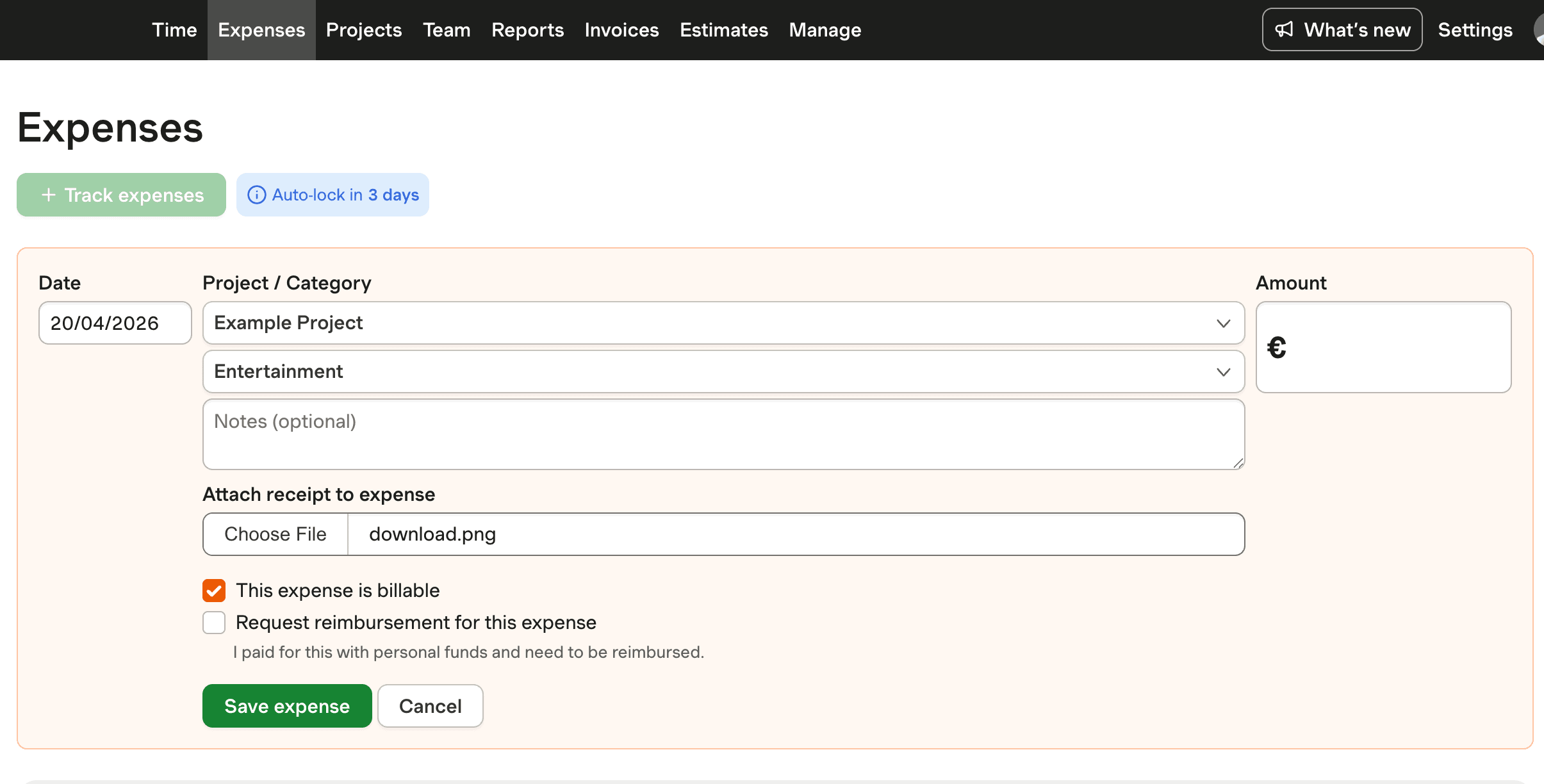
Harvest mileage tracking interface for Google Sheets

Google Sheet Mileage Log FAQs

  • IRS-compliant mileage logs must include the date of the trip, starting and ending locations, the business purpose, and total miles driven. These details are essential to avoid audits and penalties.

  • While Google Sheets can automate calculations using formulas, Harvest offers a more efficient solution by allowing users to set a per-mile rate, automatically calculating expenses based on logged miles.

  • Yes, Harvest allows customization of mileage logs by enabling administrators to create custom expense categories tailored to specific industries such as real estate or delivery services.

  • To ensure accuracy, log each trip immediately after it occurs, use automated tools to minimize errors, and keep up-to-date with the IRS mileage rates. Automated solutions like Harvest can help streamline this process.

  • Accurate separation of business and personal miles is crucial for IRS compliance. It ensures that only business-related travel is claimed for deductions, reducing the risk of audits and penalties.

  • Digital mileage logs offer greater accuracy, efficiency, and audit-readiness compared to paper logs. They eliminate manual entry errors, provide real-time updates, and integrate smoothly with other digital expense systems.

  • Harvest helps manage mileage expenses by automating calculation based on a set per-mile rate and allowing for custom expense categories, making it easier for businesses to track and organize mileage data.