
Harvest
Expenses
Sign up

Workers Compensation Travel Reimbursement

Many injured workers miss out on travel reimbursement benefits due to unawareness. Harvest tracks expenses and aligns with IRS mileage rates, ensuring compliance and ease of claim filing.

EXPENSE REPORT DRAFT

Drop your receipts here or click to upload

Images and PDFs (max 10 MB each)

Date
Category
Merchant
Description
Amount
Total
$0.00

Customise report

Appearance

Show report title

Report settings

Understanding Workers' Compensation Travel Reimbursement

Workers' compensation travel reimbursement covers expenses incurred by employees traveling for medical treatments related to work injuries. These reimbursements are crucial as travel costs can accumulate significantly, with some claims exceeding thousands of dollars over time. Unfortunately, many injured workers are unaware of these entitlements, leading to underutilization of available benefits.

Reimbursement rates vary by state and are often aligned with the IRS mileage rate, which was 70 cents per mile in 2025 and increased to 72.5 cents per mile in 2026 for states like California, Alabama, and Minnesota. The Office of Workers' Compensation Programs (OWCP) for federal employees generally reimburses roundtrip travel up to 100 miles, requiring pre-approval for longer distances or air travel. Understanding these nuances is essential for maximizing benefits.
Tracking Mileage and Expenses with Harvest

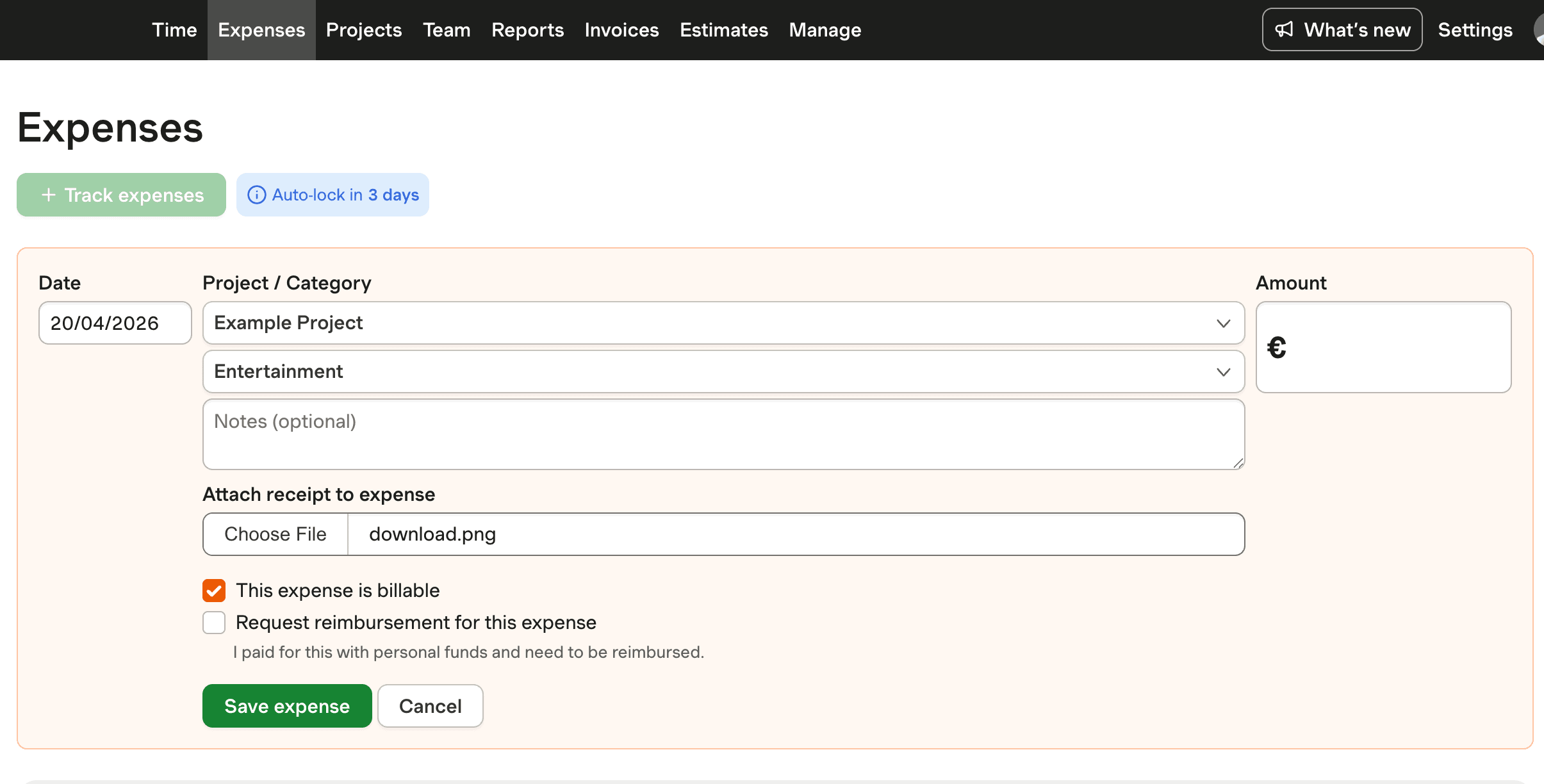
While state-specific regulations may seem daunting, Harvest simplifies expense tracking by allowing users to set custom mileage reimbursement rates. This feature ensures that businesses can align with IRS rates or specific company policies for workers' compensation claims. For example, Harvest enables easy updates to reflect mid-year rate changes, like the IRS's rare adjustment in July 2022 due to fuel price surges.

Harvest’s intuitive interface supports detailed mileage logs, a critical component of reimbursement claims. Users can document travel dates, purposes, and distances, allowing for accurate and verifiable reimbursement requests. By leveraging Harvest's capabilities, businesses can ensure compliance with reimbursement standards while minimizing the administrative burden on employees.

Best Practices for Workers' Compensation Reimbursement

To successfully claim travel reimbursements, thorough documentation is essential. Injured workers should maintain detailed logs of travel, including dates, destinations, and purposes, alongside retaining receipts for expenses like tolls and parking. In states like California, simply documenting mileage may suffice, while others, like Pennsylvania, require proof of treatment unavailability locally.

Submitting claims regularly, such as monthly, can prevent missed deadlines and ensure timely processing. Each jurisdiction has specific submission windows, with some states allowing up to two years for claims, while others, like Nevada, require submission within 60 days. Staying informed about these deadlines is crucial to avoid forfeiture of benefits.

Leveraging Technology for Reimbursement Efficiency

Technology plays a pivotal role in streamlining the reimbursement process. Many insurers use online mapping tools to verify mileage claims, highlighting the importance of precision in documentation. With Harvest, businesses can integrate these technologies to enhance accuracy and efficiency in tracking travel expenses.

Moreover, electronic submission portals, like the federal ECOMP for OWCP claims, facilitate the seamless submission of forms and documentation. Harvest complements these systems by providing a robust platform for tracking and managing expenses, ensuring that all data is accurately captured and readily available for submission.

Harvest for Workers Compensation

See how Harvest tracks mileage and expenses for workers compensation claims, aligning with IRS reimbursement rates.

Harvest interface showing workers compensation travel reimbursement tracking

Workers Compensation Travel Reimbursement FAQs

  • Eligible travel expenses typically include mileage for medical appointments, therapy sessions, pharmacy visits, and diagnostic tests. Some states also cover tolls, parking, and public transportation costs. Specific coverage varies by jurisdiction, so it's important to check local regulations.

  • The mileage rate is often linked to the IRS standard rate, which was 70 cents per mile in 2025 and increased to 72.5 cents per mile in 2026 for many states. This rate is subject to annual updates and occasional mid-year adjustments due to economic conditions.

  • While some states, like California, do not require receipts for mileage reimbursement, it's essential to maintain detailed mileage logs. These logs should include travel dates, destinations, and purposes to substantiate claims. For other expenses, such as tolls or parking, receipts are generally necessary.

  • Harvest allows users to track travel expenses and set custom mileage reimbursement rates. This helps businesses align with IRS or company-specific policies, ensuring accurate and compliant reimbursement claims. Harvest's platform simplifies the documentation process, making it easier for employees to submit claims.

  • Common mistakes include inadequate record-keeping and missing submission deadlines. Workers should maintain detailed logs and submit claims regularly to avoid these pitfalls. Using digital tools like Harvest helps streamline expense tracking and reduce errors.

  • State regulations vary, affecting eligibility and reimbursement rates. Some states have specific rules for travel exceeding certain distances or when comparable treatment is unavailable locally. Staying informed about state-specific requirements is crucial for maximizing benefits.

  • Accurate mileage tracking ensures compliance with reimbursement policies and prevents disputes with insurers. Using online mapping tools and maintaining detailed logs can verify travel claims, which are often scrutinized by insurance companies.

  • Claims should be submitted regularly, such as monthly, to ensure timely processing and avoid missing deadlines. Each jurisdiction has specific submission windows, so adhering to these is essential to receive reimbursement promptly.