
Harvest
Expenses
Sign up

Time and Mileage Tracker

Harvest enables small teams to track mileage expenses manually, ensuring accurate records for tax deductions and reimbursements.

EXPENSE REPORT DRAFT

Drop your receipts here or click to upload

Images and PDFs (max 10 MB each)

Date
Category
Merchant
Description
Amount
Total
$0.00

Customise report

Appearance

Show report title

Report settings

Automated Mileage Tracking: A Game Changer for Businesses

Automated mileage tracking is revolutionizing how businesses manage their travel expenses. Companies that transition from manual logs to automated systems can cut transportation costs by up to 30% annually, thanks to features like Fixed and Variable Rate (FAVR) reimbursements. These systems eliminate fleet-related overheads such as depreciation and maintenance, offering a more efficient solution. Additionally, automated apps save drivers an average of 42 hours a year on mileage entry tasks, allowing them to focus on higher-value activities.

In industries like construction and healthcare, where accurate mileage tracking is critical, adopting GPS-enabled apps can reduce overstated mileage by 25% or more. This ensures compliance and accurate reimbursement records, mitigating the risk of errors or fraud. While Harvest does not offer automated GPS tracking, it allows manual entry of mileage expenses, providing small teams with the flexibility to manage basic expense tracking efficiently.
The Benefits of Time and Mileage Tracking Apps

Time and mileage tracking apps offer significant benefits, especially for field-based roles such as sales or service technicians. These apps provide accurate mileage logs, which are crucial for complying with IRS guidelines and maximizing tax deductions. The IRS sets the standard mileage rate at 72.5 cents per mile for 2026, making detailed logs essential for validation.

While many apps offer real-time GPS tracking and automated logging, Harvest focuses on manual mileage entry. This allows users to input mileage data within their projects, ensuring accuracy and control. Although not automated, this method supports teams in keeping precise records for reimbursement and compliance purposes, especially when integrated with payroll systems like QuickBooks Online and Xero.

Overcoming Challenges in Mileage Reporting

Manual mileage reporting poses several challenges, including the risk of human error and fraudulent claims. Real-time GPS tracking solutions help mitigate these issues, but not all businesses require such advanced features. Harvest provides a practical solution for small teams by allowing manual mileage entry, which can be reviewed and verified to ensure compliance.

Accurate record-keeping is crucial, especially for self-employed individuals seeking tax deductions. It's important to include details such as the date, purpose, and miles driven for each trip. Harvest supports users in maintaining these records, enabling them to input mileage expenses project-wise, ensuring detailed and compliant logs.

Legal and Compliance Considerations for Mileage Tracking

Adhering to legal and compliance standards is a must for businesses tracking mileage. For example, the IRS requires detailed logs, including dates, miles driven, and the business purpose of each trip, to substantiate tax deductions. Similarly, UK HMRC and Australian ATO have their specific requirements for claiming tax-free reimbursements.

While automated solutions simplify compliance, Harvest offers a manual tracking method that supports creating compliant logs. By allowing administrators to set per-mile rates, Harvest ensures that businesses can manage and track their expenses accurately, aligning with standard practices and legal requirements.

Track Mileage with Harvest

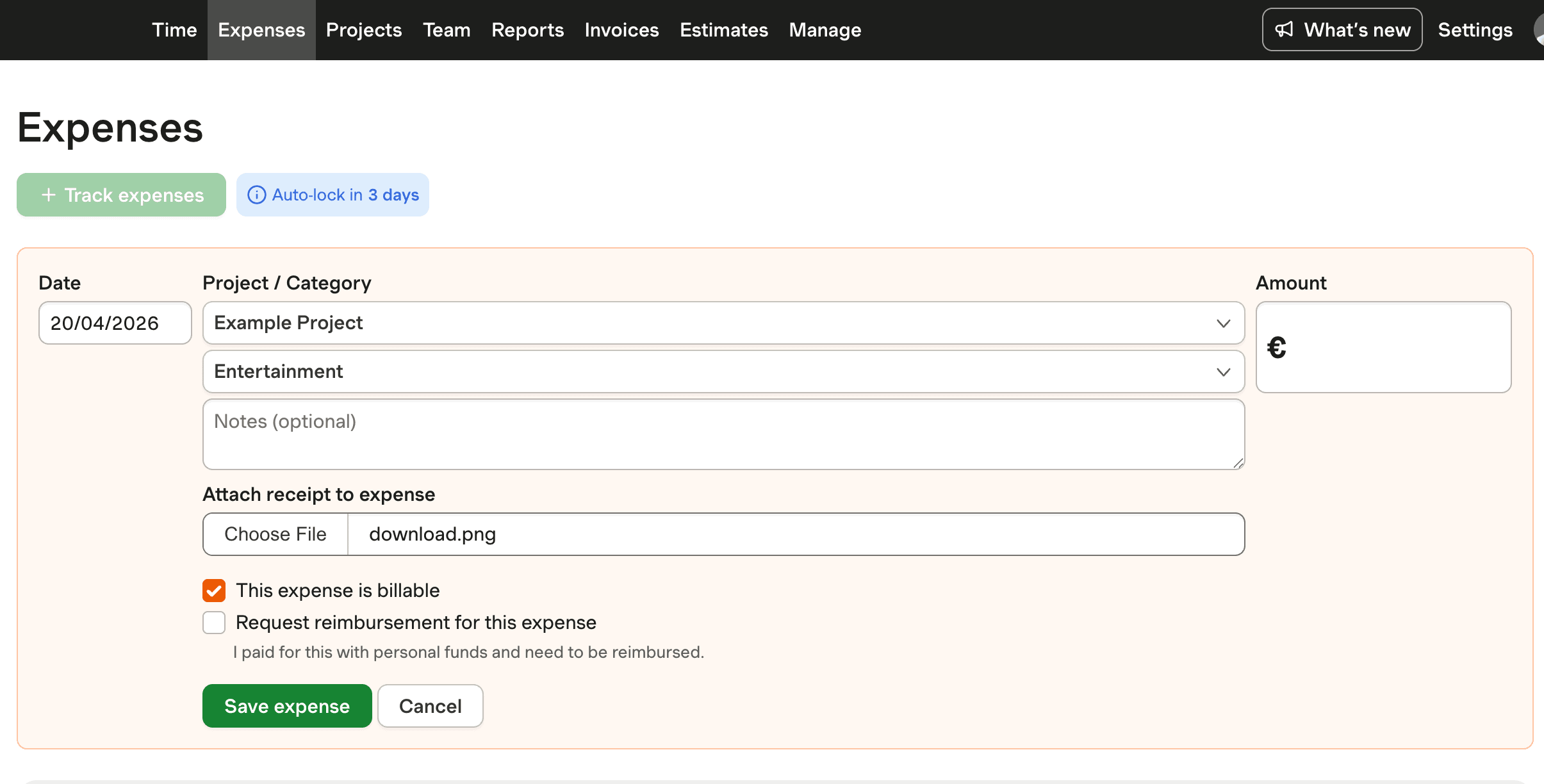
Harvest allows users to manually enter mileage expenses within projects, ensuring accurate and compliant records.

Screenshot of Harvest's manual mileage entry feature for expense tracking.

Time and Mileage Tracker FAQs

  • Time and mileage tracking apps help streamline travel expense management by automating log entries and ensuring compliance with tax regulations. Automated apps can reduce overstated mileage by 25% or more, leading to significant cost savings and increased efficiency.

  • Harvest facilitates manual mileage entry within projects, allowing teams to track expenses accurately. By enabling per-mile rate settings, it helps small teams maintain precise and compliant mileage records.

  • Accurate mileage tracking is crucial for substantiating tax deductions and avoiding audits. The IRS requires detailed logs, including the date, miles driven, and the business purpose of each trip, to validate deductions.

  • The IRS requires that mileage logs include the date, miles driven, starting point, destination, and business purpose. Compliance with these requirements ensures reimbursements are non-taxable under an "accountable plan."

  • Harvest integrates with QuickBooks Online and Xero for invoice copying but does not sync expense entries directly into these platforms. It supports manual mileage tracking for project-based expense management.

  • Automated mileage tracking apps save drivers an average of 42 hours annually by eliminating manual log entries. This time-saving feature allows employees to focus on more valuable tasks.

  • Manual mileage reporting can lead to errors and fraudulent claims. Harvest addresses this by allowing manual entry of mileage expenses, providing teams with a method to manage and verify their records accurately.