
Harvest
Expenses
Sign up

Track Material Costs

Material costs can devour 50-70% of a project's budget, but Harvest integrates expense tracking with project budgets for complete financial oversight.

  • Attach receipts to projects & tasks
  • Turn tracked expenses into client invoices
  • Free 30-day trial, no credit card needed

or drag & drop • Images and PDFs, max 10 MB

Understanding the Importance of Material Cost Tracking

Material costs can account for a staggering 50-70% of a construction project's budget, making accurate tracking essential for profitability. Without precise tracking, companies risk overruns, with up to 35% of projects exceeding their initial budget. This is largely due to outdated systems like paper logs and spreadsheets which lead to discrepancies. Effective material cost tracking helps prevent such pitfalls, ensuring that projects stay within their financial limits and resources are used efficiently.

Recent trends show a shift towards digitalization in cost management, with technologies like IoT and AI providing real-time data collection and smarter cost estimation. These advancements are crucial as material prices continue to rise, with items like copper wire seeing a 13.8% increase in just 12 months. Embracing these technologies can help businesses respond to price changes swiftly, maintaining competitive edge while controlling costs.
How Harvest Supports Project Budgeting and Cost Integration

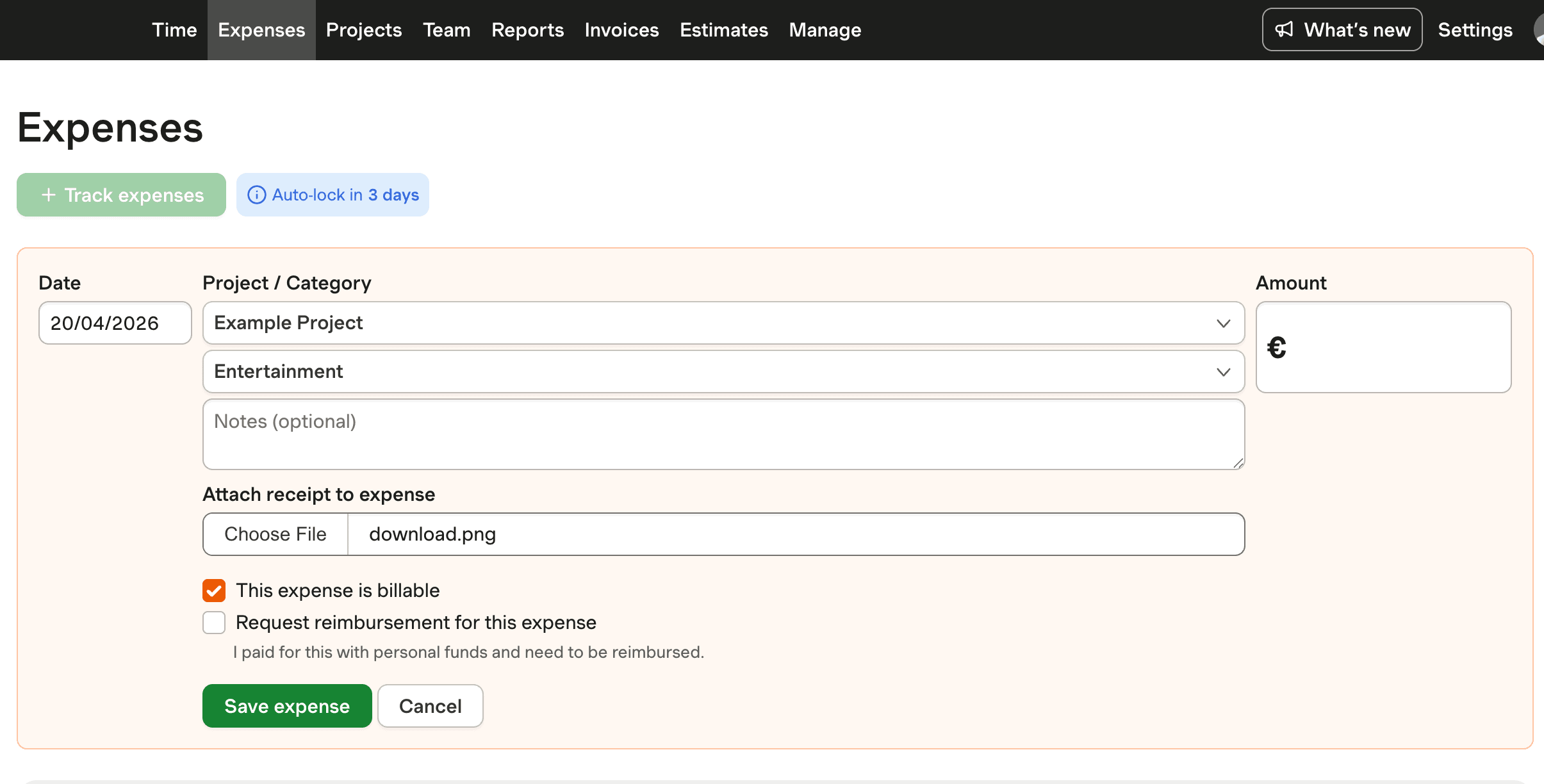
While Harvest may not provide real-time material cost tracking, it excels in integrating material costs into overall project budgeting. Harvest allows users to track expenses by project and category, seamlessly incorporating these into the total project fees. This integration ensures that all incurred costs are accounted for, providing a comprehensive view of project finances.

By leveraging Harvest's capabilities, businesses can effectively manage their budgets and ensure every dollar is allocated appropriately. This is especially critical in construction where even a 5% increase in steel prices can significantly impact profit margins. Although it doesn't offer phase-specific tracking, Harvest's expense categorization aids in distinguishing costs across projects, ensuring accurate financial oversight.

Enhancing Cost Management with Best Practices

Successful material cost management in construction requires a holistic approach, combining supplier negotiations, waste reduction, and precise tracking of expenses. Experts recommend streamlining procurement processes and establishing long-term supplier relationships to secure better pricing and reduce costs. Regularly reviewing suppliers and optimizing material usage can lead to significant savings.

Investing in inventory management and digital tools can further enhance cost efficiency. Automated systems prevent overstocking and stockouts, while historical data aids in accurate cost estimates. As industry analysts suggest, embracing digital technologies and predictive analytics is key to proactive cost management, enabling companies to anticipate changes and respond effectively.

Implementing Effective Cost Tracking Strategies

To effectively track material costs, companies should start by setting up a detailed project budget and cost structure before any purchases. Recording material and equipment costs as they occur, rather than waiting for invoices, provides real-time visibility into spending. This proactive approach helps identify deviations early, allowing for timely corrections.

Tracking committed costs, such as purchase orders and subcontracts, as soon as they are issued, ensures all expenses are captured. Regularly reviewing cost data against the budget helps pinpoint areas of concern, such as cost overruns, allowing for swift action. By adopting these strategies, businesses can prevent budget overruns and maintain financial control throughout the project lifecycle.

Track Material Costs with Harvest

See how Harvest integrates expense tracking with project budgets, helping you manage material costs effectively.

Screenshot of Harvest's project budget integration feature for tracking material costs.

Track Material Costs FAQs

  • Several tools are available for tracking material costs, including digital cost management platforms that integrate with project management systems. These tools often use IoT and AI for real-time data collection and cost estimation, providing accurate insights into material expenses.

  • Monitoring price trends requires access to market data and analytics tools that can track changes over time. While Harvest does not monitor price trends, other specialized software and platforms offer these insights, enabling informed purchasing decisions.

  • Best practices include streamlining procurement processes, establishing strong supplier relationships, and using digital tools for inventory and cost management. Regularly reviewing and optimizing material usage can lead to significant cost savings.

  • Integrating material cost tracking with project budgeting involves using platforms like Harvest that allow expense categorization by project. This ensures all material costs are accounted for within the total project fees, providing a complete financial picture.

  • To prevent budget overruns, set a detailed project budget, track costs as they occur, and regularly review expenses against the budget. This proactive approach helps identify and address deviations early.

  • Harvest supports project budgeting by allowing users to track expenses by project and category, integrating these into total project fees. This helps ensure accurate financial oversight and allocation of resources.

  • Poor material cost management can lead to budget overruns and productivity losses. For example, outdated processes can result in a 10% overpayment due to invoice errors and weeks of lost productivity annually.