
Harvest
Expenses
Sign up

Vehicle Expense Reimbursement

Harvest simplifies vehicle expense reimbursement by allowing businesses to set custom mileage rates and automate tracking, reducing errors and compliance risks.

EXPENSE REPORT DRAFT

Drop your receipts here or click to upload

Images and PDFs (max 10 MB each)

Date
Category
Merchant
Description
Amount
Total
$0.00

Customise report

Appearance

Show report title

Report settings

Understanding Vehicle Expense Reimbursement

Vehicle expense reimbursement is crucial for businesses with mobile workforces, providing financial compensation for employees using personal vehicles for business purposes. Current trends show a rise in reimbursement rates, with the U.S. IRS mileage rate jumping from 54.5 cents per mile in 2018 to 72.5 cents per mile by 2026. Similarly, Canada's CRA rate increased to $0.73/km for the first 5,000 km in 2026. Companies must adapt to these changes to ensure fair compensation and compliance.

To tackle the complexities of reimbursement, businesses need clear policies. This includes defining eligible expenses, such as fuel and maintenance, and choosing the right reimbursement method. Harvest supports this by allowing companies to set custom mileage rates that align with IRS or GSA standards, ensuring accurate tracking and compliance.
The Shift to Automated Mileage Tracking

The transition to automated mileage tracking solutions has become a game-changer in managing vehicle expenses. Manual tracking is error-prone and can lead to exaggerated claims, resulting in potential IRS penalties. Automated solutions, like those offered by Harvest, can save approximately 21 hours annually per driving employee and reduce reimbursement disputes by 17%.

Harvest's system facilitates this shift by offering GPS-based mileage tracking, helping to automate record-keeping and improve accuracy. This not only minimizes administrative burdens but also aligns with industry trends where 95.6% of retail drivers use automated tracking. This transition can lead to faster expense processing by 23% and provide audit-ready records, ensuring compliance with legal standards.

Flexible Reimbursement Models with Harvest

Adopting flexible reimbursement models like the Fixed and Variable Rate (FAVR) program can offer greater tax efficiency and fairness. FAVR combines fixed and variable payments to cover vehicle ownership and operational costs, respectively. Average reimbursements in these models can reach $756 monthly, significantly higher than traditional flat allowances.

While Harvest does not distinguish between FAVR and other models, it supports custom mileage rates, making it adaptable to various reimbursement strategies. By allowing detailed tracking of mileage expenses, Harvest helps businesses tailor their reimbursement plans to meet specific operational needs, ensuring both cost-effectiveness and employee satisfaction.

Ensuring Compliance and Proper Documentation

Compliance with legal and tax regulations is essential in vehicle expense reimbursement. U.S. federal law mandates that reimbursements adhere to accountable plan standards, requiring clear business purposes and substantiated mileage logs. Non-compliance can result in significant penalties, including IRS audits.

Harvest aids in compliance by facilitating detailed record-keeping for mileage deductions. Its system allows tracking of mileage expenses with historical rates, ensuring businesses maintain accurate records. This capability aligns with the need for audit-ready documentation and helps avoid common pitfalls like inadequate record-keeping, which can lead to denied deductions and penalties.

Vehicle Expense Reimbursement with Harvest

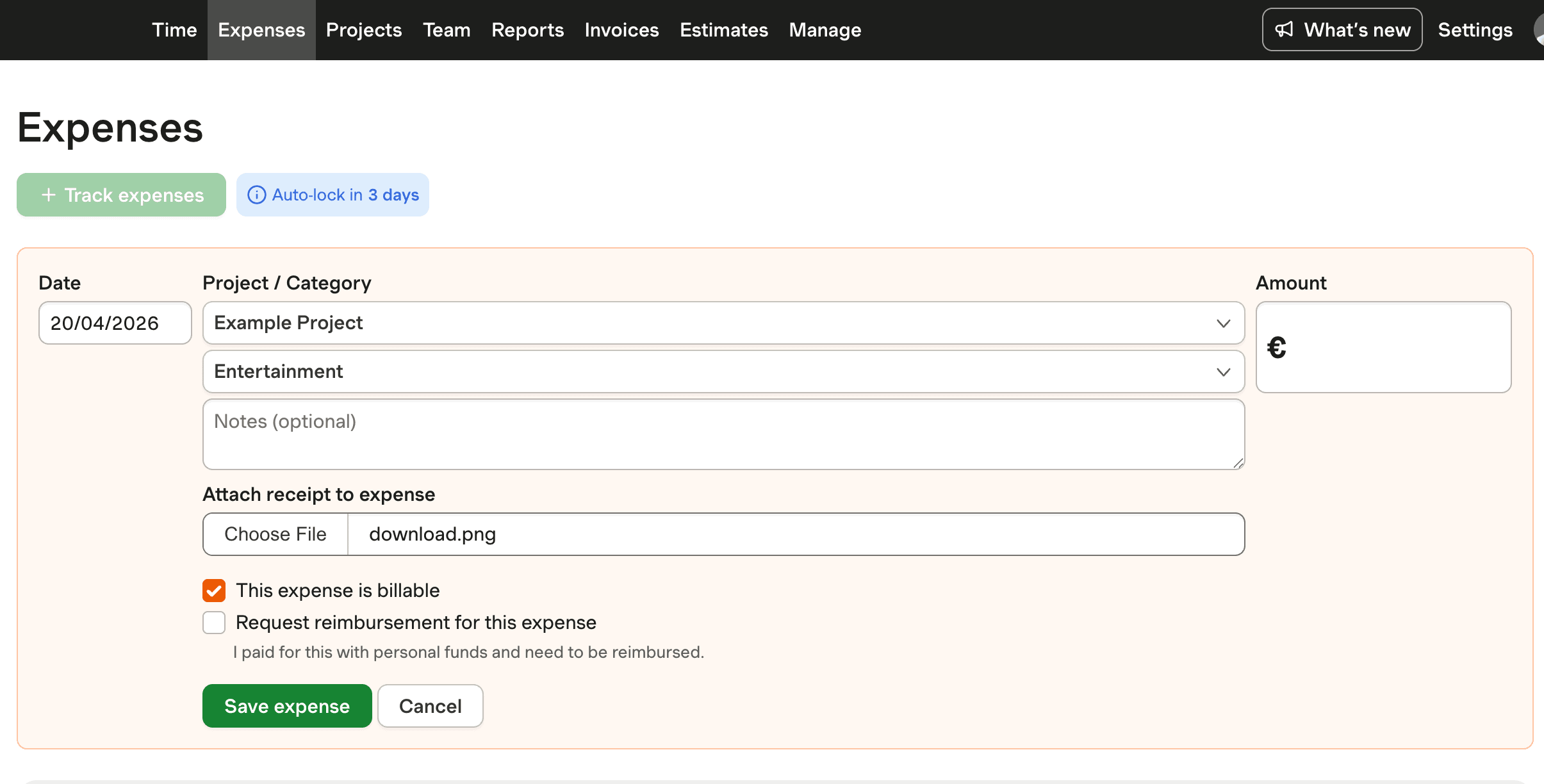
Harvest provides a seamless way to set custom mileage rates and automate vehicle expense tracking, ensuring compliance and accuracy.

Harvest vehicle expense reimbursement interface with mileage tracking

Vehicle Expense Reimbursement FAQs

  • The U.S. IRS standard mileage rate for business use is 72.5 cents per mile for 2026. In Canada, the CRA rate for the first 5,000 km is $0.73/km for 2026. Rates have been rising due to higher vehicle costs and fuel prices.

  • Vehicle expenses for reimbursement can be calculated using the standard mileage rate method or the actual expense method. The mileage rate method involves multiplying the business miles driven by the applicable rate. Harvest allows setting custom rates for precise tracking.

  • For vehicle expense reimbursement, employees must provide detailed mileage logs, including the date, origin, destination, business purpose, and miles driven. Harvest facilitates record-keeping to ensure compliance with these requirements.

  • Vehicle reimbursements must adhere to IRS accountable plan standards to remain tax-free. Non-compliance can lead to taxable income for employees and potential penalties. Harvest helps by ensuring accurate mileage tracking and documentation.

  • Mileage reimbursement compensates employees for actual miles driven at a set rate, while vehicle allowances provide a fixed amount, regardless of miles driven. Harvest focuses on tracking mileage expenses accurately using set rates.

  • Businesses can automate mileage tracking using GPS-based apps or software. Harvest offers solutions that automate record-keeping, reduce errors, and ensure compliance, saving up to 21 hours annually per driving employee.

  • FAVR programs combine fixed and variable payments, offering tax-efficient, fair reimbursement by covering both ownership and operational costs. They are adaptable across industries and can significantly increase satisfaction rates among employees.