
Harvest
Expenses
Sign up

Vehicle Fuel Reimbursement

Harvest offers simple project-based mileage tracking with custom rates, addressing the complexities of vehicle fuel reimbursement with precision and flexibility.

EXPENSE REPORT DRAFT

Drop your receipts here or click to upload

Images and PDFs (max 10 MB each)

Date
Category
Merchant
Description
Amount
Total
$0.00

Customise report

Appearance

Show report title

Report settings

Understanding Vehicle Fuel Reimbursement Policies

Vehicle fuel reimbursement is a cornerstone of managing mobile workforces, particularly as fuel prices and vehicle costs continue to rise. In the U.S., the IRS standard mileage rate increased from 54.5¢ per mile in 2018 to a high of 70¢ per mile projected for 2025. Similarly, Canada's CRA rate rose from $0.55 per kilometer to $0.72 per kilometer over the same period. These rates reflect broader trends towards more dynamic reimbursement models that adjust to economic conditions and regional cost variations.

For businesses, adopting appropriate reimbursement policies is crucial. Fixed and Variable Rate (FAVR) programs are becoming increasingly popular due to their flexibility and accuracy in reflecting real-world costs. In the manufacturing sector, 81% of drivers are now on FAVR programs, which offer an average total reimbursement of $756 per month. Companies transitioning from traditional methods have reported cost savings of up to 25%.
Customizing Mileage Reimbursement with Harvest

Calculating mileage reimbursement effectively can significantly impact both compliance and employee satisfaction. Harvest enables businesses to set custom mileage rates, allowing for a tailored approach to expense management. This flexibility is essential for businesses that need to account for specific project needs or regional cost variations, which the IRS standard mileage rate may not cover.

With Harvest, companies can track mileage expenses by quantity and apply a custom unit price, facilitating precise job-specific reimbursement calculations. This feature is particularly beneficial for small businesses that require straightforward expense management without the complexity of more elaborate systems like FAVR. By focusing on simplicity and customization, Harvest helps businesses maintain fair and accurate reimbursement practices.

The Role of Compliance and Efficiency in Reimbursement

Ensuring compliance with reimbursement regulations is a critical concern for businesses. While federal mandates on mileage reimbursement are limited, states like California, Illinois, and Massachusetts require reimbursement for necessary business expenses. Harvest allows administrators to set custom mileage rates but does not automatically update to state-specific rates, offering a flexible solution that businesses can adapt to their compliance needs.

Efficiency is another key factor in managing vehicle fuel reimbursement. Automating mileage tracking can save up to 21 hours annually per driving employee, enhancing productivity and reducing the risk of errors. Harvest’s project-based tracking system streamlines this process, ensuring that every mile is accurately logged and accounted for, thus supporting both operational efficiency and regulatory compliance.

Maximizing Cost Savings with Modern Reimbursement Models

Modern vehicle reimbursement models, such as the FAVR, offer significant cost savings and operational benefits. For example, an industrial parts distribution company saved 25% by switching to a FAVR model from a company car lease program. Similarly, a medical device company saved $260,000 by transitioning to FAVR, highlighting the financial advantages of these models over traditional car allowances or company-owned fleets.

Harvest's mileage tracking capabilities can support businesses in implementing these modern models by providing precise data on driving distances and associated costs. While Harvest does not support the FAVR model directly, its ability to calculate mileage reimbursement based on custom rates helps businesses manage their expenses effectively. This approach ensures that companies are not over or under-reimbursing employees, thereby optimizing costs and enhancing employee satisfaction.

Integrating Reimbursement with Broader Business Processes

Integrating mileage and expense tracking with broader business processes is essential for maximizing operational efficiency. By centralizing program management and automating approval workflows, businesses can achieve comprehensive financial visibility and control. This integration streamlines the reimbursement process, reducing administrative burdens and enhancing accuracy.

Harvest offers seamless integration, allowing businesses to incorporate mileage tracking into their existing expense management systems. This not only supports efficient reimbursement practices but also contributes to better financial oversight and strategic planning. By leveraging Harvest’s capabilities, businesses can ensure that their reimbursement policies are both effective and aligned with broader organizational goals.

Harvest Simplifies Vehicle Fuel Reimbursement

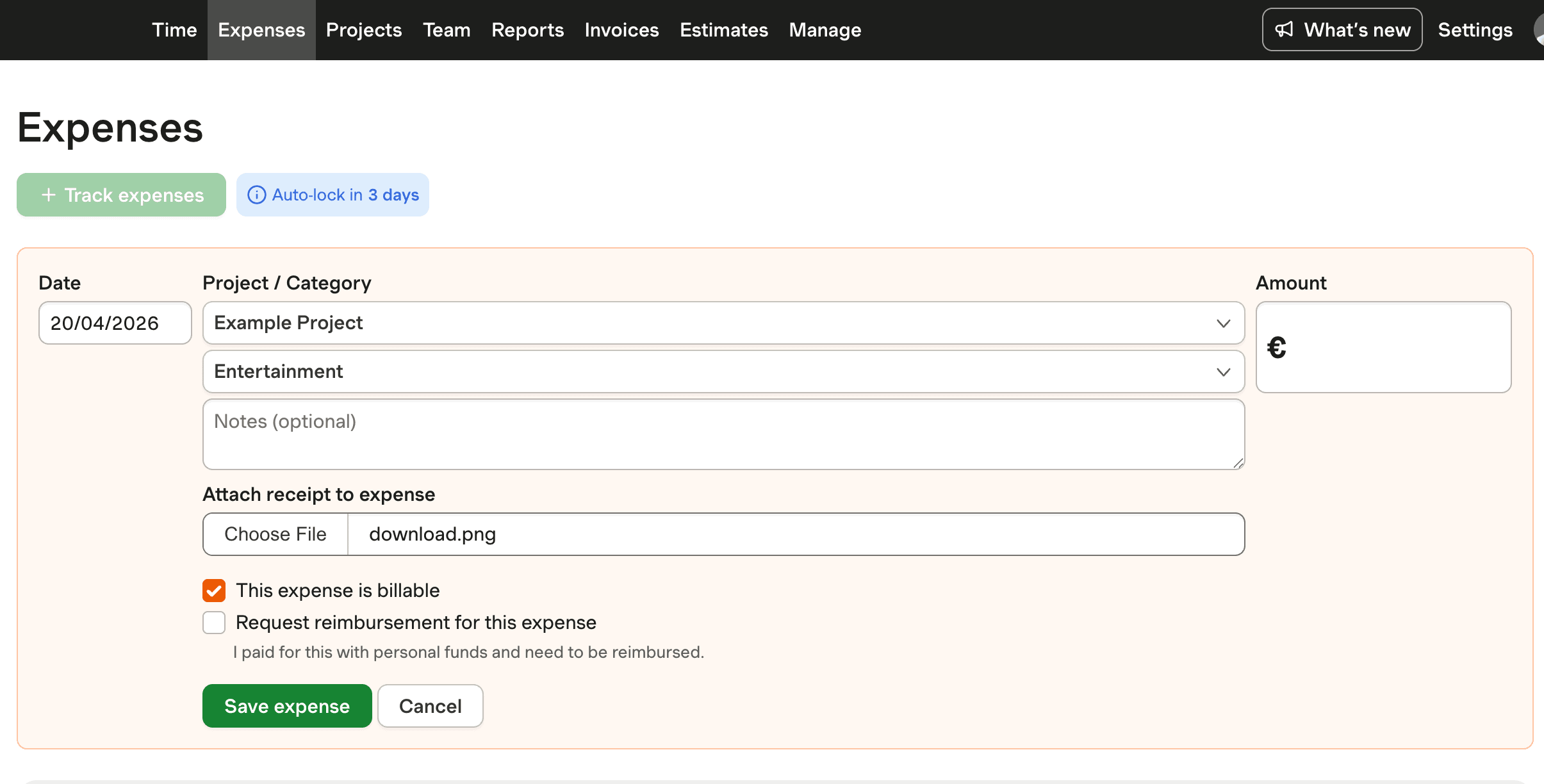
See how Harvest tracks vehicle fuel reimbursement with custom mileage rates, ensuring accurate and efficient expense management.

Screenshot of Harvest tracking vehicle fuel reimbursement expenses.

Vehicle Fuel Reimbursement FAQs

  • The current U.S. IRS standard mileage rate is 62.5¢ per mile, with a projected increase to 70¢ by 2025. In Canada, the CRA rate is $0.72 per kilometer for 2025.

  • To calculate mileage reimbursement, multiply the total business miles driven by the applicable mileage rate. Harvest allows for custom rate setting to tailor reimbursements to specific business needs.

  • Reimbursements must adhere to IRS accountable plan rules to be non-taxable. This requires a business connection, substantiation with mileage logs, and timely return of excess reimbursements.

  • A FAVR program combines a fixed stipend for vehicle ownership costs with a variable per-mile rate, reflecting actual driving costs. It offers more precise reimbursements compared to standard rates.

  • Harvest supports vehicle fuel reimbursement by allowing users to track mileage expenses with custom rates, enabling accurate and job-specific reimbursement calculations.

  • In the U.S., only specific states mandate mileage reimbursement. Companies must ensure that reimbursements do not reduce wages below the federal minimum wage and adhere to IRS rules for non-taxable reimbursements.

  • Automation in mileage tracking saves time and reduces errors. Harvest's system streamlines tracking, capturing each mile accurately to ensure efficient and compliant reimbursements.

  • Harvest offers customizable mileage tracking, making it ideal for businesses seeking straightforward, project-based expense management. It helps maintain accurate and fair reimbursement practices.