
Harvest
Expenses
Sign up

Workday Expenses

Harvest simplifies workday expense management by offering a project-based tracking system that prevents overspending and ensures financial control.

  • Attach receipts to projects & tasks
  • Turn tracked expenses into client invoices
  • Free 30-day trial, no credit card needed

or drag & drop • Images and PDFs, max 10 MB

The Challenges of Manual Expense Management

Managing workday expenses manually can be a labor-intensive and error-prone process. For a typical company with around 200 employees, it takes approximately 330 hours per year to process expense reports manually. This not only consumes valuable time but also introduces opportunities for mistakes. In fact, 19% of expense reports contain errors or missing information, leading to companies spending nearly 3,000 hours annually on corrections. These inefficiencies can result in financial discrepancies and compliance issues, particularly for industries with strict regulatory requirements, such as healthcare and legal sectors.

To combat these challenges, businesses are increasingly turning to automated solutions that can streamline the reporting process and minimize human error. Automated systems have been shown to reduce processing times by up to 67%, enhancing productivity and ensuring compliance. However, many organizations still struggle with finding the right balance between simplicity and functionality in their expense management tools.
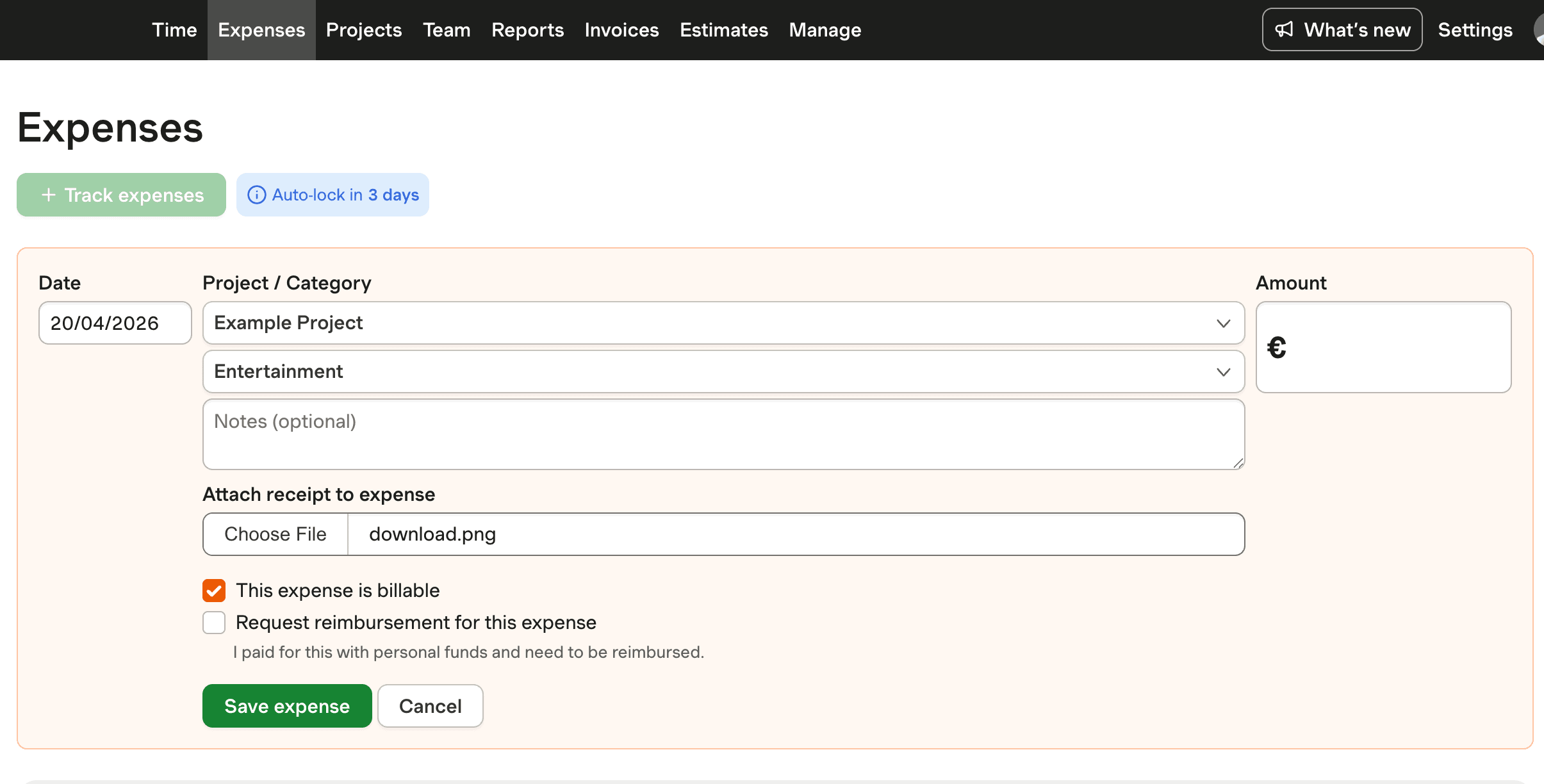
Streamlining Expense Management with Harvest

Harvest offers a straightforward solution for small-to-medium businesses looking to manage workday expenses effectively without the complexity of enterprise-level integrations. Unlike cumbersome systems, Harvest enables project-based expense tracking and invoicing, making it ideal for teams focusing on budget adherence and financial oversight. By including expenses in project budgets, Harvest helps prevent overspending and ensures financial controls are met.

While Harvest does not offer features like automated receipt scanning or real-time dashboards, it allows users to manually enter expenses and upload receipt images, providing a clear and manageable overview of project costs. This simplicity is beneficial for businesses that need to maintain control over their spending without being overwhelmed by unnecessary features or complex setup processes.

Best Practices for Managing Expenses with Harvest

Implementing best practices in expense management can significantly reduce errors and streamline processes. For businesses using Harvest, ensuring accurate and timely entry of expenses is crucial. By digitizing receipts and syncing transactions with accounting software, companies can minimize the risk of lost or misplaced receipts, which is a common issue that complicates audits and compliance checks.

Additionally, defining clear expense policies that outline eligible expense categories, spending limits, and documentation requirements is essential. Regularly reviewing and updating these policies ensures they remain relevant and effective, helping employees understand expectations and submission deadlines. Harvest supports these practices by allowing administrators to manage expense categories and set unit prices, ensuring transparency and control.

The Advantages of Project-Based Expense Tracking

Project-based expense tracking, as facilitated by Harvest, offers several advantages for businesses looking to maintain oversight and control over their workday expenses. By integrating expenses into project budgets, organizations can ensure that spending aligns with financial goals and prevents budget overruns. This approach also allows for detailed analysis and reporting, enabling teams to make informed decisions based on current financial data.

Furthermore, project-based tracking simplifies the process of associating expenses with specific initiatives or clients, providing clarity and accountability. This method is especially useful for industries like consulting or creative services, where expenses need to be allocated accurately to different projects or clients. By focusing on these aspects, Harvest empowers businesses to manage their expenses efficiently and effectively.

Manage Workday Expenses with Harvest

Explore how Harvest's project-based expense tracking helps prevent overspending and ensures financial control.

Harvest interface showing workday expense tracking features.

Workday Expenses FAQs

  • To manage workday expenses more efficiently, consider using an automated expense management system like Harvest. Automation can reduce processing times by up to 67%, minimize errors, and ensure compliance with financial policies.

  • Common issues in manual expense reporting include time-consuming processes, frequent errors, and lost receipts. Approximately 19% of reports contain errors, and businesses spend thousands of hours annually correcting them.

  • Harvest simplifies expense tracking by allowing users to integrate expenses into project budgets. This helps prevent overspending and ensures adherence to financial controls without the complexity of enterprise systems.

  • Project-based expense tracking offers clarity and control by associating costs with specific projects or clients. This method ensures spending aligns with financial goals and prevents budget overruns.

  • Key best practices include digitizing receipts, syncing transactions with accounting software, and maintaining clear expense policies. These steps reduce errors and ensure compliance with company guidelines.

  • Yes, Harvest helps with compliance by allowing expenses to be included in project budgets, ensuring financial controls are met. However, it relies on manual processes for policy adherence.

  • Industries like consulting and creative services benefit from Harvest's project-based expense tracking, as it provides clear allocation of costs to projects or clients, ensuring accountability and control.