Sign up


Understanding Email Invoicing in Spain
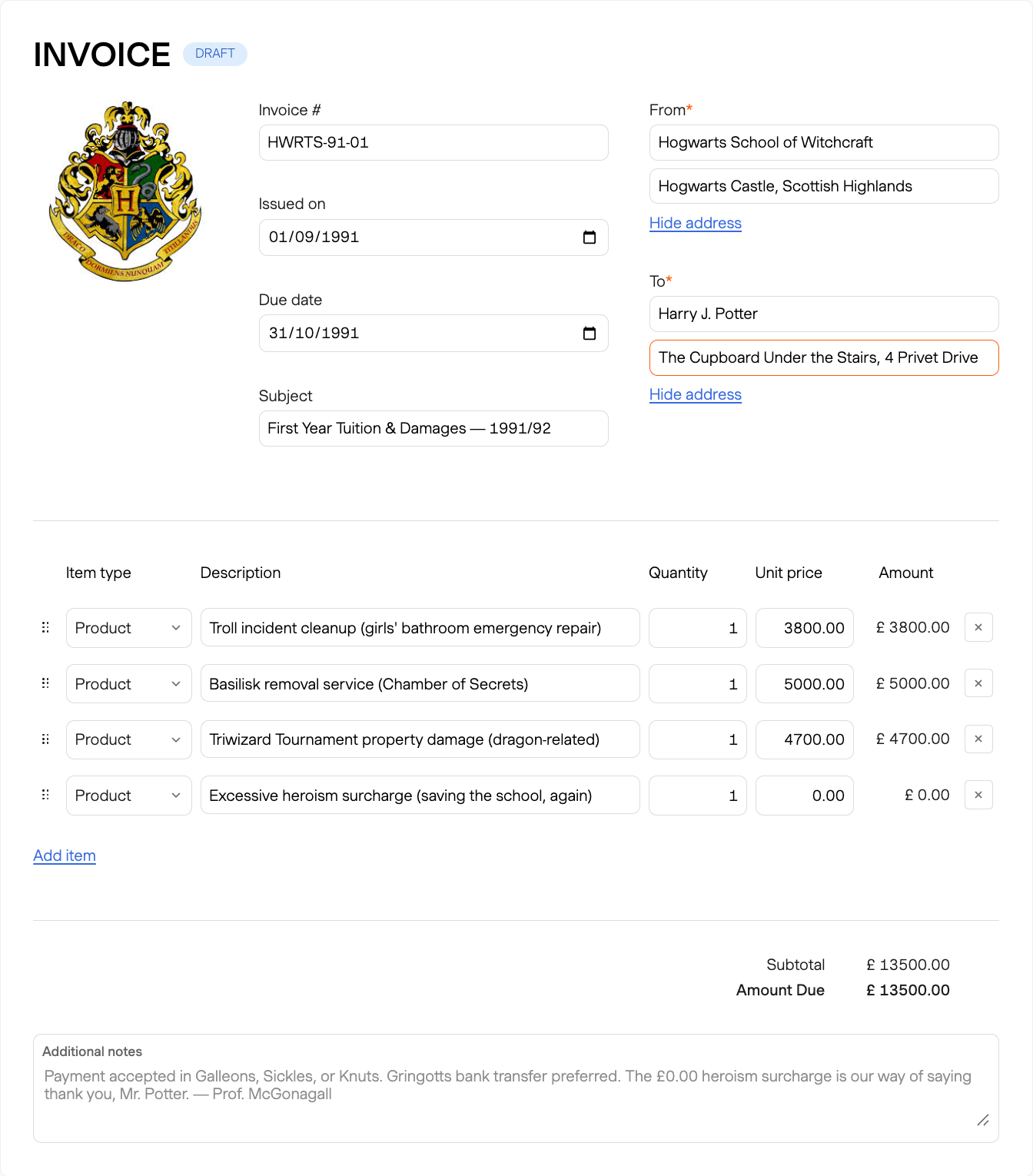
Email invoicing in Spain holds legal validity, provided certain conditions are met, and is increasingly becoming the standard for business transactions. Since January 1, 2013, the new Billing Regulation (Royal Decree 16/19/2012 of November 30, 2012) legalized all invoices sent via email, standardizing a practice common among freelancers and SMEs. This move aims to reduce costs associated with paper, printing, and postal delivery, while also increasing efficiency and security.
The key distinction lies between a traditional invoice and an electronic invoice. While both serve as legal and tax-related proof of a transaction, an electronic invoice is managed entirely in digital form, issued, received, and stored electronically. Traditional invoices are typically paper-based. The Spanish Tax Agency (AEAT) can instantly validate electronic invoices, making records automatically traceable. For an email invoice to be considered valid, the recipient must explicitly agree to receive invoices via email, and this authorization should be explicit and in writing, specifying both the sending and receiving accounts. Furthermore, the authenticity of the origin and integrity of the invoice content must be guaranteed. While historically a digital signature was often required, this criterion has been relaxed, and the guarantees of authenticity for electronic invoices no longer demand additional conditions beyond those for paper invoices.
General requirements for email invoices include containing information about the issuer and recipient, invoice number, date of issuance, a description of goods or services, and a VAT breakdown. Acceptable formats for email invoices can include PDF, XML, HTML, GIF, and JPG.