
Harvest
Time Tracking
Sign up free

Open Source Self Hosted Project Management

Harvest empowers teams and freelancers to efficiently track time and manage invoices, ensuring accurate billing and compliance.

Try Harvest Free

Will this project be profitable?

Estimate your project cost, set the right price, and know exactly how many hours your team can spend before margin disappears.

Total hours across all team members
$
Average rate across all roles on the project
15%
Scope creep is real. Most projects need 10-25% buffer to stay profitable.
Recommended project price $0
Base cost (before buffer) $0
Hours per person per week 0h
Weekly burn rate $0
Max hours before loss 0h

Track project hours with Harvest

Walk through the entire flow below. Start a timer, check your reports, and create a real invoice — all in three clicks.

Go ahead — start tracking!

One click and you're timing. Try it right here: start a timer, add an entry, edit the details. This is exactly how it feels in Harvest.

  • One-click timer from browser, desktop & mobile
  • Works inside Jira, Asana, Trello, GitHub & 50+ tools
  • Duration or start/end — your call
  • Day, week & calendar views to stay on top of it all
  • Friendly reminders so no hour gets left behind
Acme Corp
Website Redesign
Homepage layout revisions
1:24:09
Content Strategy
Blog calendar planning
1:30:00
SEO Audit
Technical audit report
0:45:00
Brand Guidelines
Color system documentation
2:15:00
Logo Concepts
Initial sketches round 1
1:00:00

The Imperative of Data Sovereignty: Why Self-Host Project Management?

Open-source self-hosted project management tools are essential for organizations seeking to achieve digital sovereignty and control over their data. By hosting these solutions internally, companies can ensure that sensitive data remains within their own servers, vital for compliance with stringent data protection regulations such as GDPR, ISO 27001, and NIST. Self-hosting not only mitigates the risks of vendor lock-in but also protects against foreign legislation like the U.S. CLOUD Act, which could compromise data privacy.

Transparency and auditability are core benefits of open-source software. With source code visibility, organizations can inspect the software for any security issues or privacy breaches, ensuring that no malicious features are present. This level of scrutiny is particularly important for enterprises in regulated industries such as finance, healthcare, and government, where data integrity and privacy are paramount.
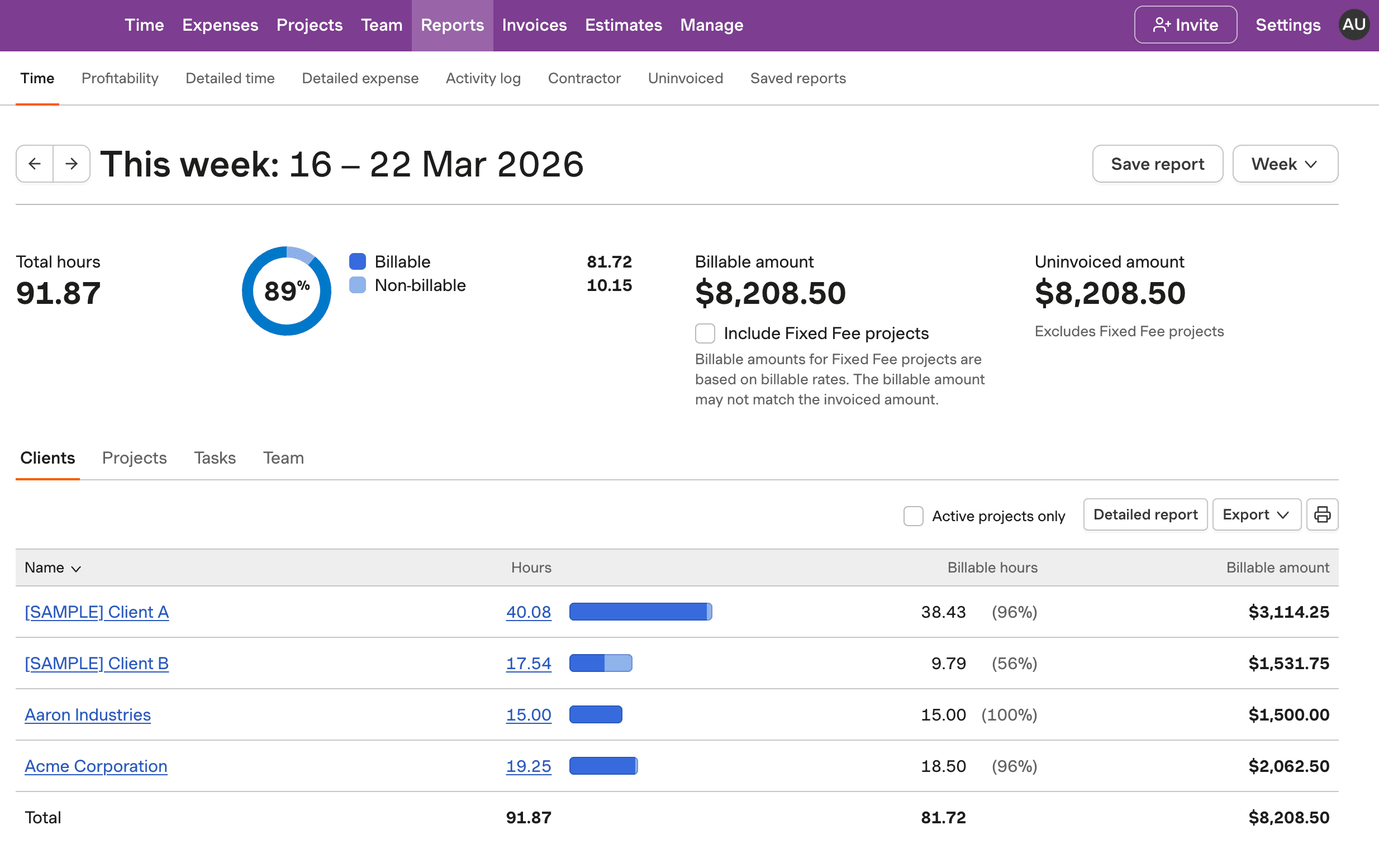
Core Features and Capabilities of Open-Source Self-Hosted Solutions

Open-source self-hosted project management tools offer a wide array of essential functionalities needed for effective project management. These include task tracking, scheduling, resource allocation, and collaboration features that facilitate team productivity. Advanced capabilities such as Gantt charts, agile boards, time tracking, custom fields, and reporting further enhance project oversight and management efficiency.

Scalability is a significant advantage of these solutions. For example, a self-hosted platform might require server hardware with 8 CPU cores, 16GB RAM, and 500GB SSD storage for a development team of 50 engineers. As teams grow, these tools can be scaled accordingly, ensuring optimal performance and user satisfaction. Additionally, integration with existing IT infrastructure, like version control systems and CI/CD pipelines, is seamless, supporting complex workflows.

Technical Deep Dive: Installation, Management, and Security Best Practices

Setting up a self-hosted project management tool involves several technical considerations. Organizations must ensure they have the necessary hardware, such as 8 CPU cores and 16GB RAM, and software, including operating systems like Ubuntu 20.04 LTS or CentOS 8, and databases like PostgreSQL 12+. A reverse proxy, such as Nginx 1.18+, is also recommended for optimal performance.

Security is a critical concern. Implementing HTTPS encryption, strong password policies, and two-factor authentication is essential. Regular security audits and LDAP synchronization can further enhance user account security. Additionally, establishing automated daily backups and disaster recovery plans ensures data integrity and business continuity.

Ongoing maintenance is crucial for self-hosted solutions. This includes monitoring system health, updating software to incorporate new features and security patches, and scaling resources as needed to accommodate user growth and workload changes.

Customization and Industry-Specific Adaptations

One of the greatest advantages of open-source self-hosted project management tools is their customizability. Organizations can modify the code to develop new modules or features that align with specific business processes. This flexibility allows for tailoring workflows and issue types to fit industry-specific needs, whether in finance, healthcare, or software development.

For example, a company in the finance sector might require custom reporting features to comply with regulatory standards, while a healthcare organization might prioritize data privacy enhancements. Community contributions and commercial support can provide additional resources and expertise for these specialized requirements, ensuring that the tools evolve to meet changing industry demands.

Open Source Project Management with Harvest

See how Harvest combines open-source flexibility with powerful project management features. Start your free 30-day trial today.

Harvest self-hosted project management dashboard screenshot

Open Source Self Hosted Project Management FAQs

  • Self-hosting project management tools offers enhanced data control and privacy, allowing organizations to meet stringent compliance requirements such as GDPR and ISO 27001. It mitigates risks of vendor lock-in and exposure to foreign legislation, ensuring data remains secure and private.

  • Open-source tools provide transparency through code visibility, allowing organizations to inspect and audit the software for any security vulnerabilities. Features like HTTPS encryption, strong password policies, and two-factor authentication enhance data security.

  • Self-hosting requires a good understanding of server management, including setting up operating systems, databases, and security protocols. Familiarity with hardware requirements and software configurations is also essential for successful deployment and maintenance.

  • Yes, self-hosted open-source tools can be customized to fit specific organizational needs. Users have the ability to modify code and develop new features, tailoring the software to industry-specific workflows and processes.

  • Hardware requirements vary depending on the size of the team. For a team of 50 engineers, typical requirements include 8 CPU cores, 16GB RAM, and 500GB SSD storage. Scaling for more users may require additional resources.

  • Self-hosted solutions provide greater control over data privacy, as all data remains on the organization's own servers. This is crucial for compliance with regulations like GDPR, offering a distinct advantage over cloud-based solutions.

  • Open-source self-hosted tools can significantly reduce costs by eliminating ongoing licensing fees associated with commercial software. They offer a cost-effective solution for organizations prioritizing privacy and data control.