
Harvest
Time Tracking
Sign up free

Project Stakeholder Management

In 2026, managing project stakeholders requires integrating AI-driven strategies to navigate digital communication and hybrid teams. Harvest helps streamline these efforts.

Try Harvest Free

Will this project be profitable?

Estimate your project cost, set the right price, and know exactly how many hours your team can spend before margin disappears.

Total hours across all team members
$
Average rate across all roles on the project
15%
Scope creep is real. Most projects need 10-25% buffer to stay profitable.
Recommended project price $0
Base cost (before buffer) $0
Hours per person per week 0h
Weekly burn rate $0
Max hours before loss 0h

Track project hours with Harvest

Walk through the entire flow below. Start a timer, check your reports, and create a real invoice — all in three clicks.

Go ahead — start tracking!

One click and you're timing. Try it right here: start a timer, add an entry, edit the details. This is exactly how it feels in Harvest.

  • One-click timer from browser, desktop & mobile
  • Works inside Jira, Asana, Trello, GitHub & 50+ tools
  • Duration or start/end — your call
  • Day, week & calendar views to stay on top of it all
  • Friendly reminders so no hour gets left behind
Acme Corp
Website Redesign
Homepage layout revisions
1:24:09
Content Strategy
Blog calendar planning
1:30:00
SEO Audit
Technical audit report
0:45:00
Brand Guidelines
Color system documentation
2:15:00
Logo Concepts
Initial sketches round 1
1:00:00

The Evolving Landscape of Project Stakeholder Management in 2026

Project stakeholder management in 2026 is characterized by a shift from intuition-based strategies to those driven by data and AI insights. As companies increasingly rely on digital transformation and hybrid work environments, the complexity of managing stakeholders has grown. According to research, 90% of companies plan to boost their AI investments, reflecting a commitment to leveraging predictive engagement tactics and proactive relationship building. However, over 60% of AI initiatives underperform due to human resistance, highlighting the need for balancing technological adoption with human-centric approaches.

In today's landscape, understanding and managing stakeholder trust is more critical than ever. The average "Trust & Like Score" remains flat at 68, but increasing stakeholder familiarity can significantly lift this score by up to 32 points. This demonstrates the importance of ongoing engagement and tailored communication strategies to foster trust and collaboration. As hybrid work becomes the norm, with 87% of workers embracing remote opportunities, organizations must adapt their stakeholder management practices to maintain effective communication and engagement.
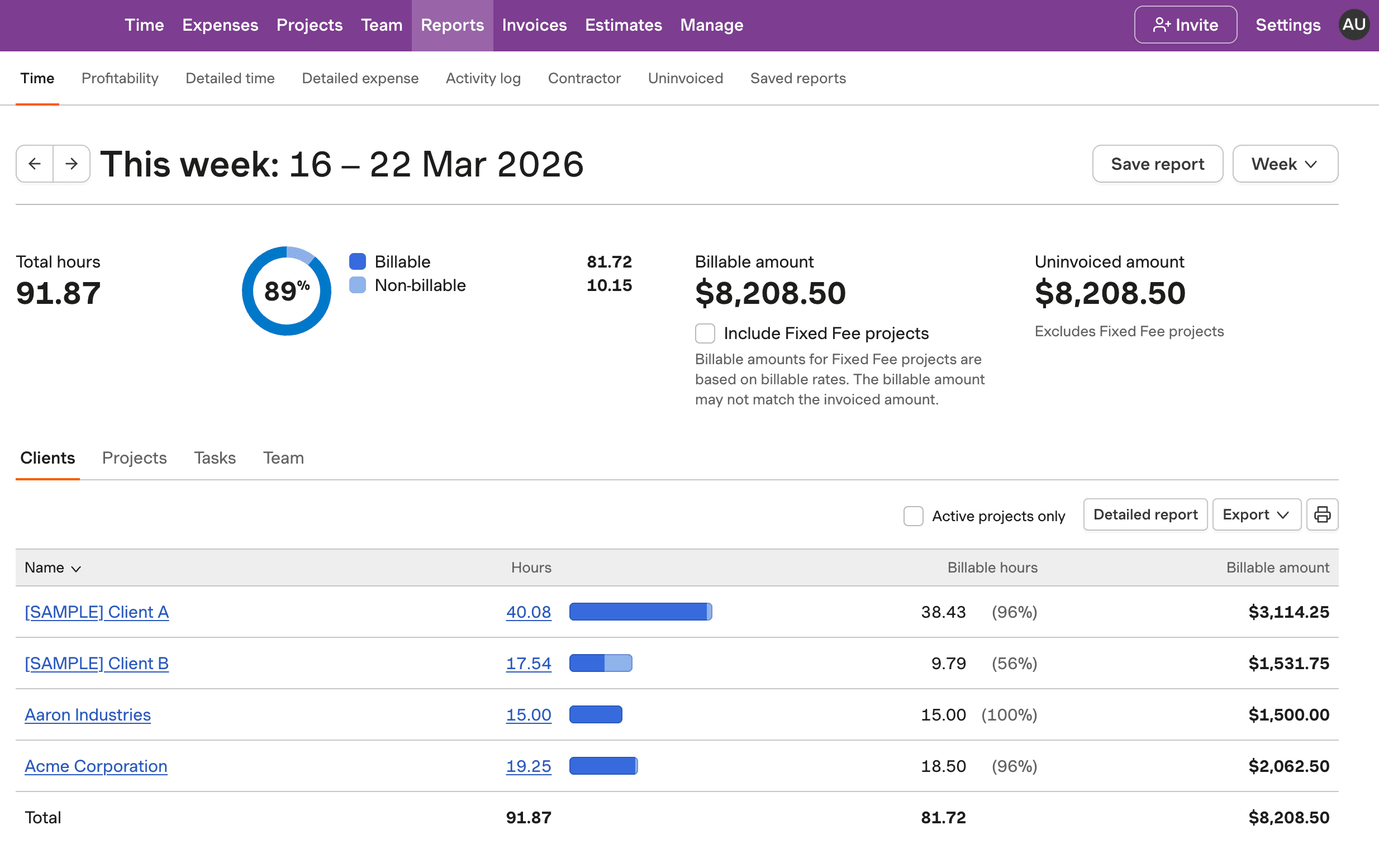
Leveraging Technology for Enhanced Stakeholder Engagement

In 2026, technology serves as a cornerstone for enhanced stakeholder engagement. AI-powered insights enable organizations to conduct sentiment analysis, predict behavioral shifts, and tailor communication strategies in real-time. With 91% of professionals acknowledging AI's potential to improve content management, the integration of AI into stakeholder management is both a current reality and a future necessity.

Digital tools for stakeholder mapping and prioritization, such as dynamic Power/Interest Grids and specialized software, allow for strategic allocation of attention and resources. By automating routine communication tasks and scheduling check-ins, organizations free up capacity for more strategic focus. As 61% of companies identify data privacy and regulatory concerns as major challenges, adherence to regulations like GDPR and CCPA is essential when utilizing these digital tools.

Navigating Hybrid Teams and Digital Communication Challenges

The dominance of hybrid work in 2026 presents unique challenges in stakeholder management. With hybrid work structures, maintaining robust connections and preventing digital overload are critical. Organizations must implement strategies for digital-first engagement to foster trust and ensure flexibility across distributed teams. By 2026, 60% of organizations are expected to face setbacks due to digital skills gaps, making targeted training and skill development crucial.

Communication fragmentation is another challenge, as unified messaging across diverse digital channels is essential to avoid mixed signals. Curating content for specific audiences, whether executives or team members, helps maintain clarity and relevance. High-power and high-interest stakeholders may require more frequent touchpoints, and ensuring consistent messaging across all platforms is vital for effective stakeholder engagement.

Best Practices for Building Trust and Driving Collaboration

Building trust and driving collaboration with stakeholders in 2026 involve systematic analysis and tailored engagement strategies. Identifying and analyzing stakeholders through a structured process, including assessing power and interest, is fundamental. Segmentation based on department, influence, and proximity to change ensures targeted engagement.

Applying a multi-level engagement framework—Inform, Consult, Involve, and Collaborate—allows organizations to customize communication methods and frequency based on stakeholder characteristics. Transparency and ethical considerations, particularly in data privacy and AI use, are crucial for maintaining credibility. Regularly reviewing engagement strategies and incorporating feedback helps sustain trust and collaboration.

Project Stakeholder Management in Harvest

Explore how Harvest helps manage project stakeholders with AI-driven strategies and digital tools, enhancing engagement in hybrid teams.

Overview of project stakeholder management tools in Harvest

Project Stakeholder Management FAQs

  • In 2026, stakeholder management strategies focus on leveraging AI for sentiment analysis and predictive engagement. Organizations prioritize digital tools for mapping and automating communication to enhance stakeholder interaction. Building trust through transparency and tailored engagement frameworks is key.

  • Hybrid teams add complexity to stakeholder engagement by requiring flexible communication approaches. Maintaining strong relationships and preventing digital overload are essential. Tailored digital-first engagement strategies can help foster trust and adaptability in hybrid settings.

  • Tools such as dynamic Power/Interest Grids and specialized software are used for stakeholder mapping and prioritization. These tools help allocate attention strategically and manage stakeholder relationships effectively by automating routine tasks and ensuring compliance with data privacy regulations.

  • AI can analyze stakeholder sentiment by processing large volumes of feedback data to identify trends and shifts in stakeholder behavior. This enables organizations to tailor communication and engagement strategies in real-time, improving stakeholder interactions and project outcomes.

  • Common challenges include maintaining unified messaging across channels and preventing communication fragmentation. Organizations need to curate content for specific audiences and ensure consistent messaging to avoid mixed signals, especially in hybrid work environments.

  • Resistance from stakeholders can be mitigated through proactive engagement, transparent communication, and involving stakeholders in decision-making processes. Regular feedback incorporation and addressing concerns promptly also help reduce resistance and build trust.

  • Trust is crucial for successful stakeholder management, as it influences collaboration and project outcomes. Increasing stakeholder familiarity can significantly boost trust levels, while transparency and consistent communication further strengthen stakeholder relationships.

  • Ethical considerations include ensuring data privacy, compliance with regulations like GDPR, and responsible AI use. Transparency in AI-driven decisions and avoiding manipulative tactics are vital for maintaining trust and credibility with stakeholders.