
Harvest
Time Tracking
Sign up free

Project Management for Real Estate

Harvest is a time tracking and invoicing tool that helps real estate professionals manage budgets effectively, reducing the risk of project delays and cost overruns.

Try Harvest Free

Will this project be profitable?

Estimate your project cost, set the right price, and know exactly how many hours your team can spend before margin disappears.

Total hours across all team members
$
Average rate across all roles on the project
15%
Scope creep is real. Most projects need 10-25% buffer to stay profitable.
Recommended project price $0
Base cost (before buffer) $0
Hours per person per week 0h
Weekly burn rate $0
Max hours before loss 0h

Track project hours with Harvest

Walk through the entire flow below. Start a timer, check your reports, and create a real invoice — all in three clicks.

Go ahead — start tracking!

One click and you're timing. Try it right here: start a timer, add an entry, edit the details. This is exactly how it feels in Harvest.

  • One-click timer from browser, desktop & mobile
  • Works inside Jira, Asana, Trello, GitHub & 50+ tools
  • Duration or start/end — your call
  • Day, week & calendar views to stay on top of it all
  • Friendly reminders so no hour gets left behind
Acme Corp
Website Redesign
Homepage layout revisions
1:24:09
Content Strategy
Blog calendar planning
1:30:00
SEO Audit
Technical audit report
0:45:00
Brand Guidelines
Color system documentation
2:15:00
Logo Concepts
Initial sketches round 1
1:00:00

Understanding the Real Estate Project Lifecycle

The real estate project lifecycle consists of several critical phases that ensure a property development is delivered on time, within budget, and to the required quality standards. Typically, these phases include Concept, Pre-Development, Financing, Procurement, Execution, and Closeout. Each phase plays a crucial role in the overall success of a project. For instance, the Pre-Development phase involves site selection and feasibility analysis, where a 10-20% contingency is crucial to cover unexpected expenses.

Continuity between phases is vital. A lack of information flow can lead to financial risks, as evidenced by the $1.8 trillion in commercial loans maturing through 2026, which underscores the importance of meticulous planning. Technology adoption, considered crucial by 80% of commercial real estate executives, facilitates seamless transitions between these stages.
Mastering Budgeting and Timeline Management in Real Estate

Effective budgeting and timeline management are fundamental to successful real estate project management. A comprehensive budget must include hard costs like materials and labor, and soft costs such as design and legal fees. Utilizing cost estimation techniques like parametric and bottom-up estimating enhances accuracy. For instance, new residential constructions average $150 per square foot, while commercial projects are around $175.

Implementing a robust cost-tracking system is essential to monitor expenses in real-time and identify variances early. Regular progress monitoring through critical path analysis helps avoid costly delays. A common challenge is project delays, which can increase holding costs and reduce revenue. Real-time adjustments and a contingency fund of 5-20% help mitigate these risks.

Navigating Common Challenges in Real Estate Projects

Real estate projects face several challenges, from financial risks and market volatility to regulatory hurdles and construction delays. Interest rate fluctuations and securing financing are common financial risks, with nearly $1.8 trillion in loans maturing by 2026. Market demand shifts also affect project viability, making thorough research and diversification crucial.

Regulatory compliance poses significant challenges, with zoning changes and permitting delays impacting timelines. Moreover, construction risks such as labor shortages and supply chain disruptions require proactive risk management strategies. Maintaining sufficient cash reserves and engaging with local authorities early can mitigate these challenges.

Leveraging Technology for Enhanced Real Estate Project Management

Technology is revolutionizing real estate project management, offering tools that enhance efficiency and decision-making. Project management software centralizes data, automates tasks, and improves communication, while Building Information Modeling (BIM) reduces design errors and accelerates project timelines.

Data analytics and AI provide insights into property valuation and market trends, with 80% of executives noting their importance. IoT and smart building technologies enhance efficiency and occupant comfort, while blockchain ensures secure and transparent transactions. These technologies not only improve operational efficiencies but also meet rising tenant demands.

Project Management for Real Estate with Harvest

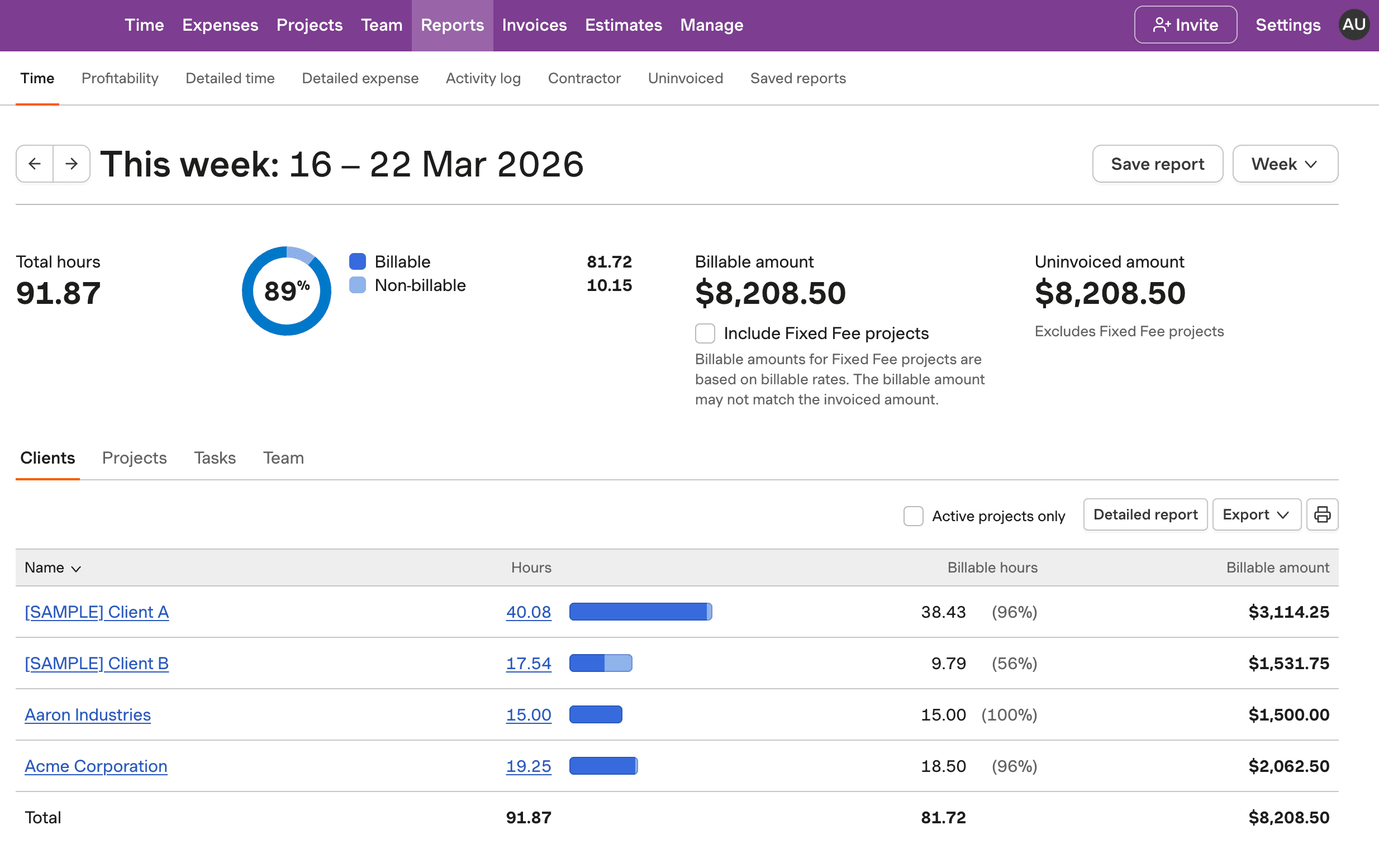
See how Harvest helps real estate professionals manage project timelines and budgets effectively. Track time and expenses seamlessly.

Harvest interface showing project management tools for real estate

Project Management for Real Estate FAQs

  • The key phases typically include Concept, Pre-Development, Financing, Procurement, Execution, and Closeout. These stages ensure projects meet time, budget, and quality standards.

  • Technology enhances efficiency through project management software, BIM, and AI. These tools centralize data, automate tasks, and facilitate better decision-making.

  • Effective strategies include detailed budgeting with contingency funds, cost estimation techniques, and real-time cost tracking. Regular monitoring and adjustments are also crucial.

  • Develop realistic schedules, conduct regular progress checks, and use critical path analysis to anticipate and resolve issues. Proactive adjustments help maintain project timelines.

  • Common challenges include financial risks, market volatility, regulatory compliance, and construction delays. Effective planning and risk management strategies can mitigate these issues.

  • Harvest tracks time and expenses, offering detailed reports to manage budgets effectively. Its integrations and real-time tracking aid in maintaining financial control.

  • Yes, Harvest integrates with tools like Asana, Trello, and Slack, enhancing project management by centralizing data and improving team collaboration.