
Harvest
Time Tracking
Sign up free

Project Management With Kanban Boards

Effective project management with Kanban boards starts with understanding its visual workflow. Harvest can track your project's time and budget, complementing Kanban's efficiency.

Try Harvest Free

Will this project be profitable?

Estimate your project cost, set the right price, and know exactly how many hours your team can spend before margin disappears.

Total hours across all team members
$
Average rate across all roles on the project
15%
Scope creep is real. Most projects need 10-25% buffer to stay profitable.
Recommended project price $0
Base cost (before buffer) $0
Hours per person per week 0h
Weekly burn rate $0
Max hours before loss 0h

Track project hours with Harvest

Walk through the entire flow below. Start a timer, check your reports, and create a real invoice — all in three clicks.

Go ahead — start tracking!

One click and you're timing. Try it right here: start a timer, add an entry, edit the details. This is exactly how it feels in Harvest.

  • One-click timer from browser, desktop & mobile
  • Works inside Jira, Asana, Trello, GitHub & 50+ tools
  • Duration or start/end — your call
  • Day, week & calendar views to stay on top of it all
  • Friendly reminders so no hour gets left behind
Acme Corp
Website Redesign
Homepage layout revisions
1:24:09
Content Strategy
Blog calendar planning
1:30:00
SEO Audit
Technical audit report
0:45:00
Brand Guidelines
Color system documentation
2:15:00
Logo Concepts
Initial sketches round 1
1:00:00

Understanding Kanban Boards for Project Management

Kanban boards are a visual project management tool designed to optimize workflows, enhance efficiency, and promote continuous improvement. Originating from the Toyota Production System in the late 1940s, the term "Kanban" translates to "visual signal" in Japanese. The methodology involves using boards to represent workflow stages (such as "To Do," "In Progress," and "Done") and cards to denote individual tasks or work items. As tasks progress, they move from left to right across these columns, providing a clear visual representation of project status.

Kanban's core principles include visualizing the workflow, limiting work in progress (WIP), managing flow, and implementing feedback loops. These principles help teams gain insights, prevent overburdening, and ensure efficient task completion. Notably, Kanban is flexible and continuous, contrasting with fixed sprint methodologies like Scrum, making it ideal for adapting to changing priorities in ongoing or repetitive work.
Implementing Kanban Principles for Effective Project Management

To effectively implement Kanban in project management, start by visualizing your workflow. Create a board that reflects all stages of your project and use cards for tasks. Limiting work in progress (WIP) is crucial—set a maximum number of tasks that can be active in each stage to avoid multitasking and ensure focus, which can lead to a 15% increase in throughput.

Continuous flow management is another key principle. Monitor and optimize how tasks move through the workflow, using metrics like lead time and cycle time. Regular feedback loops are essential for continuous improvement. They help teams adjust processes based on performance data, encouraging a 20% reduction in lead time, as reported by 87% of organizations using Kanban. Implementing these principles can significantly boost operational performance by 30% to 50%.

Setting Up a Kanban Board for Your Project

Setting up a Kanban board for your project involves several steps to ensure it effectively reflects your workflow. Begin by defining the columns that represent each stage of your process, such as "Backlog," "In Progress," and "Completed." These stages should align with your project's unique needs and facilitate clear task progression.

Next, populate your board with cards that represent individual tasks or work items. Each card should include essential details such as task description, assignee, and due date. It's important to regularly review and update these cards to reflect real-time progress. Additionally, consider using digital tools for your Kanban board to leverage benefits like automation, integration with other tools, and remote accessibility.

To maintain efficiency, apply WIP limits to each column and use metrics like throughput and work item age to monitor performance. Regularly review your board and adjust as needed to address any bottlenecks, ensuring a smooth workflow.

Benefits of Using Kanban Boards Across Industries

Kanban boards offer numerous benefits across various industries, making them a versatile project management tool. One of the most significant advantages is their ability to enhance workflow visibility, allowing teams to identify bottlenecks and inefficiencies quickly. This visibility facilitates informed decision-making and fosters continuous improvement.

Industries ranging from software development to healthcare have adopted Kanban for its flexibility and adaptability. Unlike methodologies with fixed sprints, Kanban accommodates changes in project priorities, making it suitable for dynamic environments. For instance, companies that actively measure Kanban metrics have reported a 20% reduction in lead time and a 15% increase in throughput.

Furthermore, organizations using Kanban often experience improved team collaboration and communication, as the visual nature of Kanban boards encourages transparency and accountability. By implementing Kanban, teams can expect to see a substantial boost in operational performance, ranging from 30% to 50%.

Harvest for Kanban Project Management

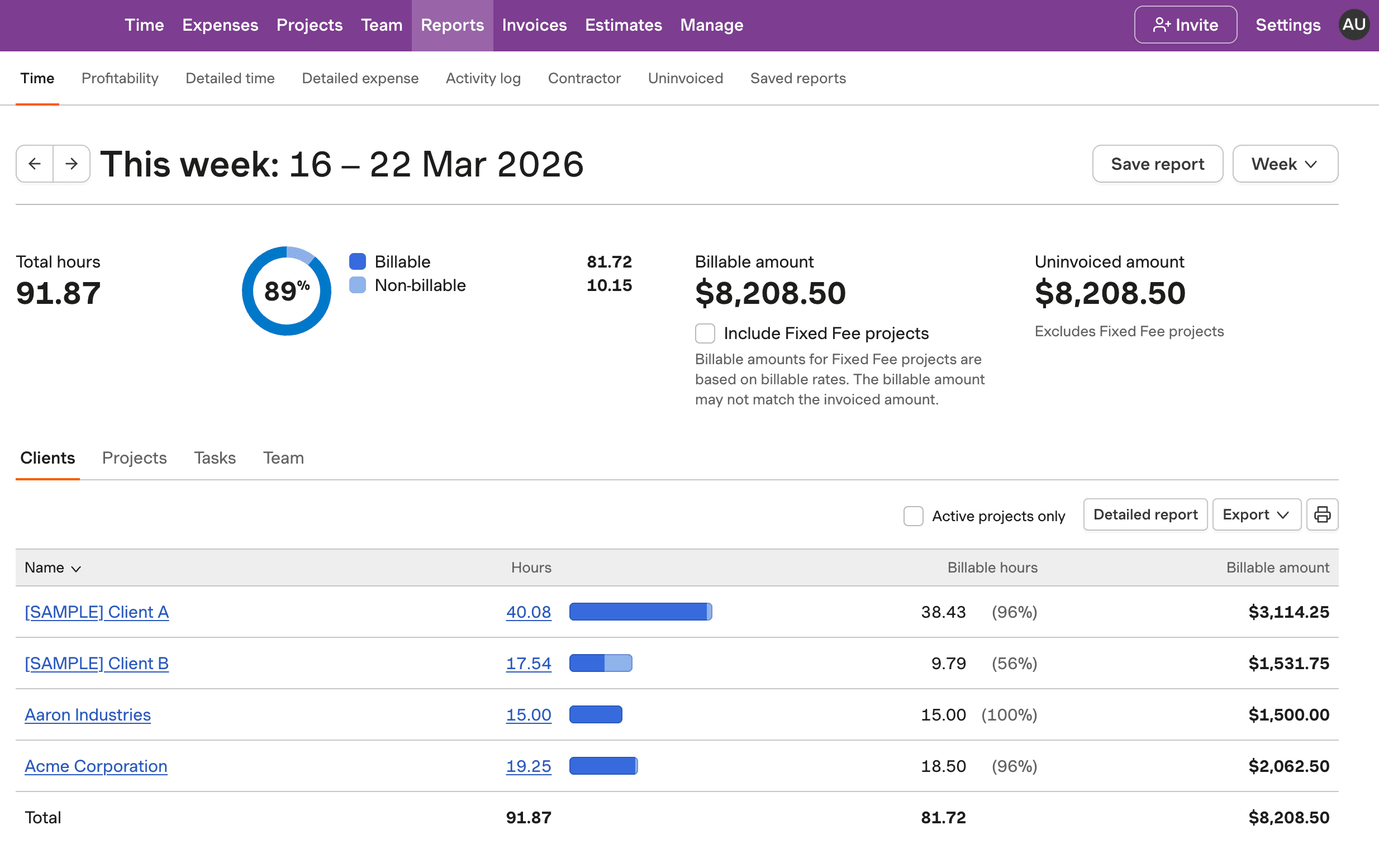
See how Harvest complements Kanban boards by tracking project time and budgets for better management.

Screenshot of Harvest enhancing Kanban board project management

Project Management With Kanban Boards FAQs

  • A Kanban board is a visual tool used in project management to represent stages of a workflow. It features columns for each stage and cards for tasks. As tasks progress, they move from left to right, providing a clear visual of project status.

  • The key principles of Kanban include visualizing the workflow, limiting work in progress (WIP), managing flow, and implementing feedback loops. These help optimize efficiency and ensure continuous improvement.

  • To set up a Kanban board, define columns for each workflow stage and use cards for tasks. Regularly update tasks and apply WIP limits to enhance efficiency. Digital boards offer extra features like automation and integration.

  • Kanban boards improve workflow visibility, enhance efficiency, and accommodate changing project priorities. They can lead to a 20% reduction in lead time and a 15% increase in throughput, boosting overall performance.

  • Kanban is more flexible than Scrum, allowing continuous workflow without fixed sprints. It can be combined with Scrum in a hybrid approach known as Scrumban, benefiting from both methodologies' strengths.

  • Yes, Kanban boards can be digital, offering advantages like automation, integration with other tools, and easy access for remote teams. Digital boards enhance collaboration and efficiency.

  • While Harvest doesn't directly support Kanban board features, it complements them by offering robust time tracking and project budgeting tools, enhancing overall project management efficiency.