
Harvest
Time Tracking
Sign up free

Billable Hours Tracker for Event Planners

Harvest transforms how event planners track billable hours, boosting profit margins by 10-25% through precise tracking and seamless integrations.

Try Harvest Free

How much revenue is your team leaving on the table?

Most agencies run at 55-60% utilization. Even a small improvement means significant revenue. See what closing the gap looks like for your team.

Number of people who track billable time
$
Blended rate across roles (junior, senior, lead)
55%
Percentage of total hours that are billable. Industry average is 55-60%.
75%
A realistic target for service businesses is 70-80%.
Monthly revenue gap $0
Revenue at current utilization $0/mo
Revenue at target utilization $0/mo
Extra billable hours needed per person/day 0h
Annual revenue opportunity $0

Start tracking team utilization

Walk through the entire flow below. Start a timer, check your reports, and create a real invoice — all in three clicks.

Go ahead — start tracking!

One click and you're timing. Try it right here: start a timer, add an entry, edit the details. This is exactly how it feels in Harvest.

  • One-click timer from browser, desktop & mobile
  • Works inside Jira, Asana, Trello, GitHub & 50+ tools
  • Duration or start/end — your call
  • Day, week & calendar views to stay on top of it all
  • Friendly reminders so no hour gets left behind
Acme Corp
Website Redesign
Homepage layout revisions
1:24:09
Content Strategy
Blog calendar planning
1:30:00
SEO Audit
Technical audit report
0:45:00
Brand Guidelines
Color system documentation
2:15:00
Logo Concepts
Initial sketches round 1
1:00:00

The Indispensable Role of Billable Hours Tracking in Event Planning

Accurate billable hours tracking is crucial for event planners seeking to enhance profitability and client transparency. By distinguishing between billable and non-billable hours—such as client strategy calls versus internal team meetings—planners can refine their pricing models and increase profit margins by 10-25%. This differentiation helps in revenue forecasting and justifying invoices, ensuring clients understand the value of the services provided.

Manual tracking, however, poses risks, with 80% of timesheets typically requiring corrections, often due to oversights like forgetting to log hours. Furthermore, 75% of businesses encounter time theft, which can significantly impact profitability. Automated solutions like Harvest mitigate these issues with one-click timers for real-time tracking, reducing human error and ensuring all billable time is captured accurately.
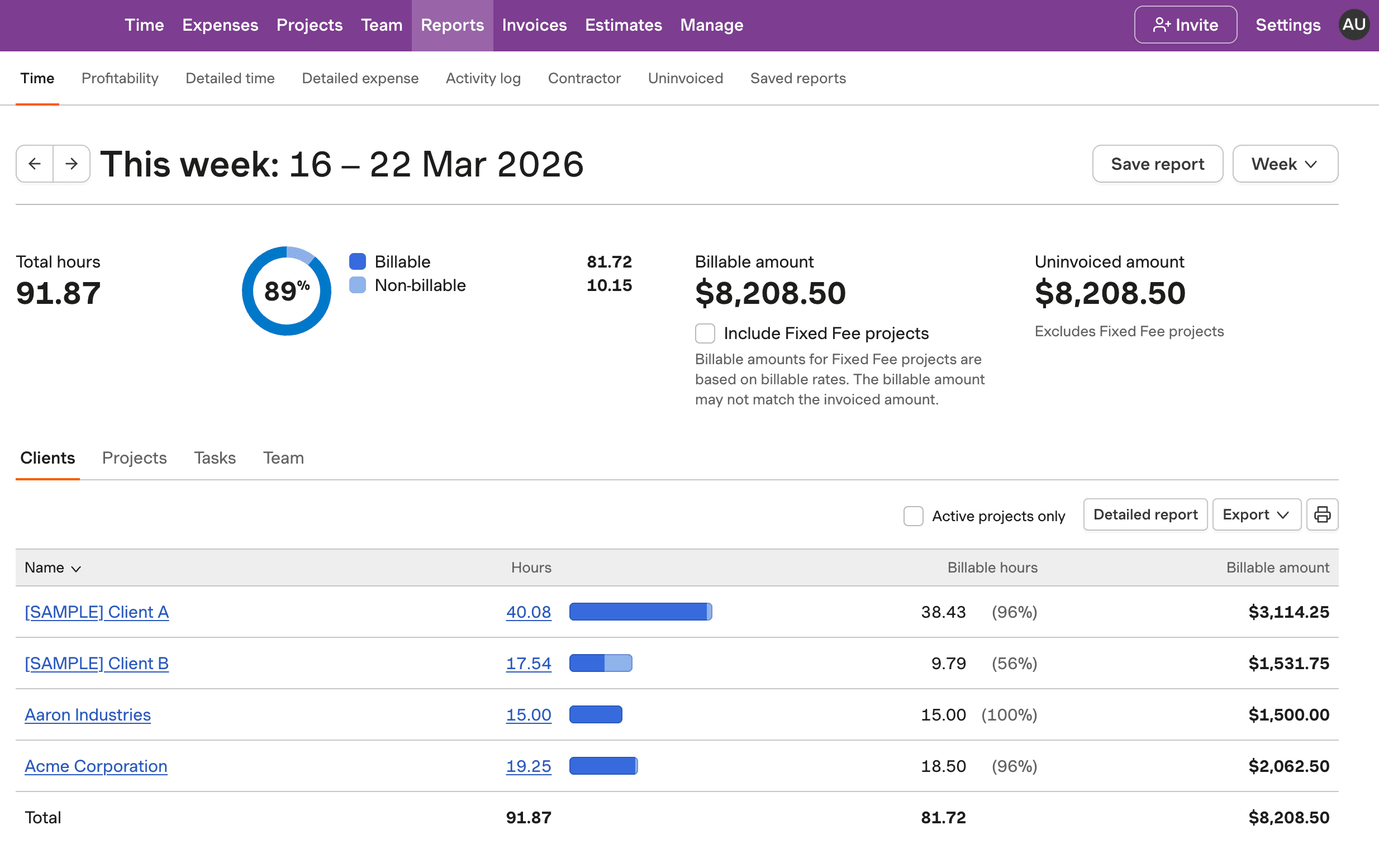
Essential Features of an Event Planner's Billable Hours Tracker

For event planners, a billable hours tracker must offer project-centric tracking, allowing time entries to be linked directly to specific events and tasks like venue sourcing and vendor management. Harvest addresses this need by enabling activity categorization, which is vital for accurate client invoicing and project reporting. The ability to manually adjust entries ensures flexibility for offline work.

Additionally, tools like Harvest provide robust reporting and analytics, offering insights into hours, costs, and profitability. This feature is crucial for planners who need to generate detailed reports for clients or internal reviews. Integration with accounting software streamlines the invoicing process, converting tracked time into precise invoice line items, thus reducing administrative overhead and enhancing billing accuracy.

Strategic Implementation: Best Practices for Effective Time Tracking

Implementing effective time tracking practices is essential for maximizing the utility of a billable hours tracker. Real-time logging is critical; using timers to capture hours as they happen avoids the inaccuracies of memory reconstruction. Harvest's one-click timers facilitate this practice, ensuring precise and accountable time tracking.

Furthermore, clear task categorization and consistent time increments enhance the precision of tracking. Event planners should categorize tasks into specific activities like design or client meetings, while using standardized increments such as 15 minutes for logging. Regular review of time entries helps prevent error accumulation, and leveraging historical data supports more accurate project forecasts and resource allocation.

Choosing the Right Tool: Pricing, Integrations, and Free Options

Selecting the right billable hours tracker involves evaluating pricing, integration capabilities, and scalability. Standalone time tracking tools range from $0 to $18 per user per month, but integrated platforms like Harvest offer additional value by combining time tracking with project management functionalities. Harvest's integrations with tools like Asana and Trello enhance workflow efficiency, making it a robust choice for event planners.

For those on a budget, free options exist, though they often lack advanced features found in paid solutions. Utilizing free trials of platforms like Harvest provides an opportunity to assess their capabilities and user experience before making a financial commitment. This approach ensures that the chosen tool aligns with specific needs, supporting both individual planners and larger teams.

Billable Hours Tracking with Harvest

See how Harvest tracks and manages billable hours for event planners, integrating with tools like Asana and Trello for seamless invoicing.

Harvest dashboard showing billable hours tracking for event planners.

Billable Hours Tracker for Event Planners FAQs

  • Event planners track billable hours using specialized software like Harvest, which offers one-click timers and manual entry options for capturing work time. This allows for accurate logging of client-related tasks such as strategy calls, vendor coordination, and design work.

  • A billable hours tracker for event planning should include project-centric tracking, real-time timers, detailed reporting, and integration with accounting and event management software. Harvest offers these features, making it ideal for planners who need precise and efficient time management.

  • Yes, Harvest integrates with popular project management tools like Asana and Trello, allowing seamless synchronization of time tracking with event planning workflows. This integration streamlines invoicing and enhances project oversight.

  • Time tracking improves profitability by providing accurate data on billable hours, which informs better pricing strategies and resource allocation. Harvest helps planners identify high-value tasks, potentially increasing profit margins by 10-25%.

  • While there are free options available, they often lack advanced features found in paid solutions. Harvest offers a free 30-day trial, allowing event planners to explore its comprehensive features before committing to a plan.

  • Billable hours are directly spent on client projects like strategy calls and deliverables, while non-billable hours include internal tasks such as meetings and administration. Tracking both types with Harvest ensures a complete view of project efforts.

  • Harvest offers mobile apps for iOS and Android, enabling event planners to track time and expenses on-the-go. This feature is invaluable for on-site event management and coordination.