
Harvest
Time Tracking
Sign up free

Flsa Time Tracking Requirements

Harvest ensures compliance with FLSA time tracking requirements by providing flexible and accurate methods for maintaining records and tracking hours worked.

Try Harvest Free

How many hours did you work this week?

Enter your clock-in and clock-out times for each day. The calculator handles breaks, overtime, and weekly totals automatically.

Day Clock In Clock Out Break Hours
Total hours this week 0h
Regular hours (≤40) 0h
Overtime hours 0h
Average hours/day 0h
Total break time 0h

Track time automatically with Harvest

Walk through the entire flow below. Start a timer, check your reports, and create a real invoice — all in three clicks.

Go ahead — start tracking!

One click and you're timing. Try it right here: start a timer, add an entry, edit the details. This is exactly how it feels in Harvest.

  • One-click timer from browser, desktop & mobile
  • Works inside Jira, Asana, Trello, GitHub & 50+ tools
  • Duration or start/end — your call
  • Day, week & calendar views to stay on top of it all
  • Friendly reminders so no hour gets left behind
Acme Corp
Website Redesign
Homepage layout revisions
1:24:09
Content Strategy
Blog calendar planning
1:30:00
SEO Audit
Technical audit report
0:45:00
Brand Guidelines
Color system documentation
2:15:00
Logo Concepts
Initial sketches round 1
1:00:00

Understanding FLSA Time Tracking: The Basics of Compliance

The Fair Labor Standards Act (FLSA) mandates comprehensive recordkeeping to ensure fair compensation for non-exempt employees. This includes strict adherence to minimum wage, overtime pay, and child labor standards. Notably, the FLSA does not prescribe a specific form for records, allowing employers flexibility in maintaining complete and accurate documentation. This can be done either electronically or in paper format, facilitating compliance across diverse business environments.

Non-exempt employees are the primary focus of FLSA's time tracking requirements, though exempt employees might also be monitored for business needs or state-specific regulations. The FLSA serves to protect workers by ensuring that every hour worked is accounted for, including job-related meetings, training, and travel during regular work hours. Employers must display the official FLSA poster to inform employees about their rights, emphasizing the importance of transparency and compliance.
What Records Must Employers Keep? A Detailed Checklist

Under the FLSA, employers must maintain a detailed list of records for each non-exempt employee. This includes specific identifying information such as the employee's full name, social security number, and address. Other critical data points involve the workweek start time, hours worked each day and week, and the basis on which wages are paid (e.g., '$9 per hour'). Employers must also track the regular hourly pay rate, straight-time earnings, overtime earnings, and total wages for each pay period.

Accurate documentation of hours worked, including breaks, training, and travel within work hours, is crucial. Employers must also keep records of all deductions or additions to wages, ensuring all pay-related activities are transparent. This meticulous recordkeeping not only aids in compliance but also helps in resolving any disputes related to wage calculations.

Timekeeping Methods and Record Retention: Practical Guidance

The FLSA allows for various methods of time tracking, including time clocks, manual sheets, and digital software, as long as they ensure accurate data. Employers must be diligent in recording all hours worked, including unauthorized ones, to avoid liability issues. The FLSA permits rounding of time to the nearest quarter hour, provided it is applied fairly and consistently.

Employers are required to retain payroll records and agreements for three years and wage computation records for two years. These records must be accessible for inspection by the Wage and Hour Division within 72 hours of a request. Proper storage, whether at the workplace or a central office, ensures readiness for any audits or compliance checks.

Avoiding Pitfalls: Implications of Non-Compliance and Best Practices

Non-compliance with FLSA regulations can lead to severe repercussions, including lawsuits, back wages, and penalties. Employers are liable for misreported hours even if an employee underreports them, as they are expected to have knowledge of actual work hours. This underscores the importance of training supervisors to recognize and address "off-the-clock" work.

Establishing a clear timekeeping policy, choosing an accurate system, and conducting regular audits are best practices for compliance. Employers must also be aware of state and local laws that might impose stricter requirements than the FLSA. By employing these strategies, businesses can avoid legal pitfalls and foster a fair workplace environment.

Harvest and FLSA Compliance

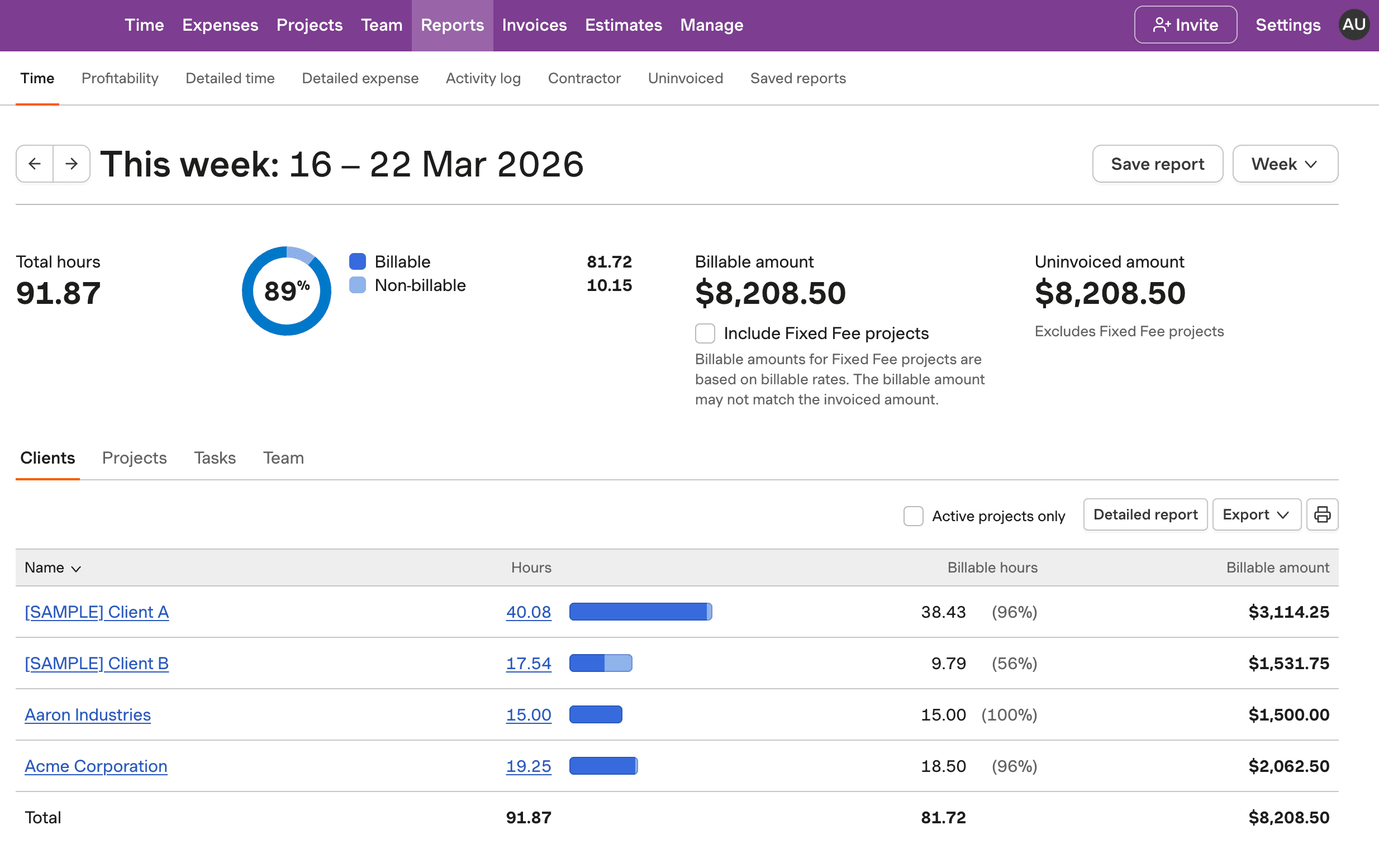
See how Harvest's time tracking tools support FLSA compliance by maintaining accurate records and tracking hours worked effectively.

Harvest time tracking interface for FLSA compliance

Flsa Time Tracking Requirements FAQs

  • Employers must maintain records including employee's full name, social security number, address, workweek start, hours worked, wages paid, and overtime earnings. These records ensure compliance with FLSA standards.

  • Under the FLSA, payroll records must be kept for three years, while records related to wage computations, such as time cards and schedules, must be retained for two years. This ensures readiness for any compliance inspections.

  • The FLSA allows the use of time clocks, manual timesheets, and digital software for tracking hours. The key requirement is that the chosen method must accurately capture all hours worked to ensure compliance.

  • Misreporting hours can lead to legal consequences, including lawsuits and penalties. Employers are liable even if employees underreport hours, highlighting the need for accurate recordkeeping and supervisor oversight.

  • Harvest assists in FLSA compliance by providing flexible time tracking options and detailed reports, ensuring accurate records of hours worked and wages earned for non-exempt employees.

  • Yes, Harvest allows for manual tracking of overtime by creating specific tasks, ensuring accurate recording of all overtime hours in compliance with FLSA requirements.

  • Under the FLSA, 'hours worked' includes all time an employee is on duty or permitted to work. Harvest tracks these hours through its timers and manual entry features, supporting compliance with FLSA standards.

  • Yes, state laws may impose stricter time tracking or record retention requirements than the FLSA. Employers must comply with both federal and state laws, adhering to the one that provides greater employee protection.