
Harvest
Time Tracking
Sign up free

How to Implement Time Tracking in a Company

Many companies struggle with inaccurate time tracking, leading to payroll errors. Harvest offers an intuitive solution that simplifies tracking and ensures compliance.

Try Harvest Free

How much revenue is your team leaving on the table?

Most agencies run at 55-60% utilization. Even a small improvement means significant revenue. See what closing the gap looks like for your team.

Number of people who track billable time
$
Blended rate across roles (junior, senior, lead)
55%
Percentage of total hours that are billable. Industry average is 55-60%.
75%
A realistic target for service businesses is 70-80%.
Monthly revenue gap $0
Revenue at current utilization $0/mo
Revenue at target utilization $0/mo
Extra billable hours needed per person/day 0h
Annual revenue opportunity $0

Start tracking team utilization

Walk through the entire flow below. Start a timer, check your reports, and create a real invoice — all in three clicks.

Go ahead — start tracking!

One click and you're timing. Try it right here: start a timer, add an entry, edit the details. This is exactly how it feels in Harvest.

  • One-click timer from browser, desktop & mobile
  • Works inside Jira, Asana, Trello, GitHub & 50+ tools
  • Duration or start/end — your call
  • Day, week & calendar views to stay on top of it all
  • Friendly reminders so no hour gets left behind
Acme Corp
Website Redesign
Homepage layout revisions
1:24:09
Content Strategy
Blog calendar planning
1:30:00
SEO Audit
Technical audit report
0:45:00
Brand Guidelines
Color system documentation
2:15:00
Logo Concepts
Initial sketches round 1
1:00:00

Steps to Implement Time Tracking in Your Company

Successfully implementing time tracking in your company involves a strategic approach that balances compliance, efficiency, and employee acceptance. Begin by defining clear objectives for time tracking, such as improving payroll accuracy or enhancing project profitability. It's crucial to involve employees early in the process to ensure buy-in and reduce resistance. Communicate the benefits of time tracking, such as fair workload distribution and accurate compensation. Involving your team can lead to up to a 20% increase in compliance and employee satisfaction.

Choosing the right tool is also essential. Select a system that aligns with your workflows, offers customizable reporting, and integrates with existing systems. Harvest, for instance, offers seamless integration with platforms like Asana, Trello, and Slack, making it a versatile choice. Before full implementation, pilot the system with a small team to address any challenges and gather feedback. This approach allows for adjustments before a company-wide rollout.
Addressing Employee Concerns About Time Tracking

One of the major challenges in implementing time tracking is addressing employee concerns regarding privacy and micromanagement. It's important to ensure transparency and communicate that time tracking is a tool for process improvement, not surveillance. Clearly explain what data will be collected, how it will be used, and who will have access to it. Harvest promotes transparency by allowing managers to review and approve timesheets, which helps build trust.

Providing thorough training and ongoing support can also alleviate concerns. Offer hands-on training sessions and technical support to ensure employees understand how to use the system. According to research, organizations that introduce time tracking alongside transparency and feedback frameworks can see improved compliance and satisfaction. Harvest addresses employee resistance with features like personalized reminders to encourage consistent time tracking.

Leveraging Time Tracking for Increased Productivity

Time tracking can significantly improve business operations and profitability by providing insights into productivity and resource allocation. For example, full-time employees in the industrial sector are productive for only about 2 hours and 53 minutes per day. By analyzing time tracking data, companies can identify workload imbalances and optimize resource allocation. Harvest helps leverage time tracking data by providing detailed reports on time, expenses, and team utilization.

It's also important to focus on outcomes rather than just hours worked. Emphasize that time tracking is a tool for better planning and workload balance, not a means of micromanaging employees. Regularly monitor, review, and adjust your time tracking policies based on the data collected. Companies that focus on outcomes rather than hours can foster a more productive work environment.

Legal Considerations for Time Tracking

Understanding legal requirements is critical when implementing time tracking in a company. In the United States, the Fair Labor Standards Act (FLSA) mandates that employers maintain accurate records of hours worked for non-exempt employees. These records must be retained for at least three years, and records related to wage computations for two years. This includes data such as hours worked each day and total hours per workweek.

In the European Union, the European Working Time Directive requires all employers to have an objective and reliable system for measuring daily working hours. Specific requirements, such as record retention periods, vary by member state. For example, Spain requires records to be kept for four years, while Germany requires two years. Companies must comply with both local and international regulations if they have a global workforce. Harvest provides the tools needed to ensure compliance with these requirements.

Implement Time Tracking with Harvest

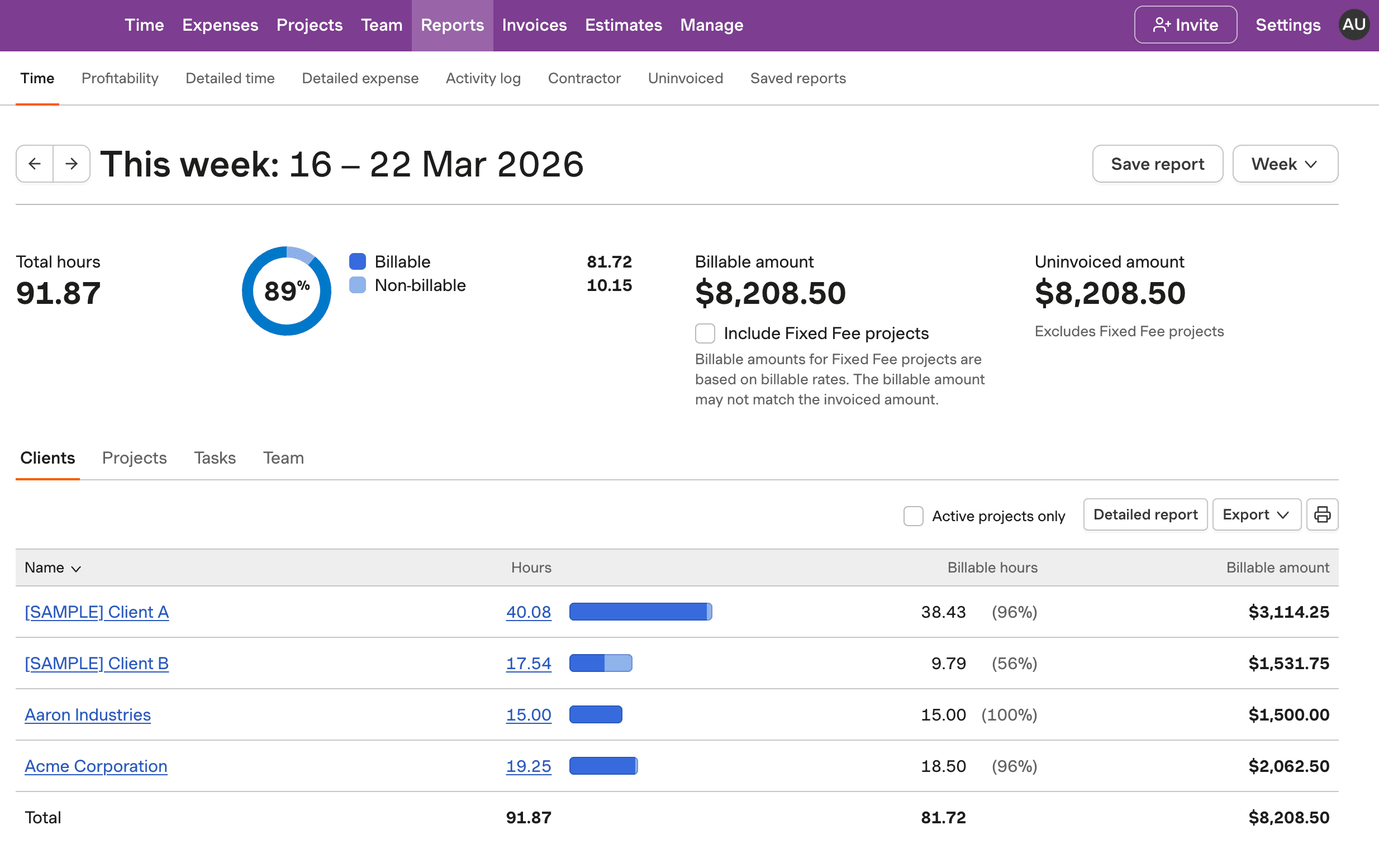
See how Harvest simplifies time tracking for companies. Streamline processes and ensure compliance with our intuitive solution.

Screenshot of Harvest time tracking interface for company implementation.

How to Implement Time Tracking in a Company FAQs

  • Start by defining clear objectives for time tracking, such as improving payroll accuracy or project profitability. Involve employees early, choose the right tool like Harvest, and pilot the system with a small team. Finally, provide training and ensure transparency to build trust.

  • Address concerns by ensuring transparency about data collection and use. Communicate time tracking benefits, provide thorough training, and use tools like Harvest that offer reminders and approvals to encourage adoption and trust.

  • In the U.S., the FLSA requires accurate records of hours worked for non-exempt employees. In the EU, the Working Time Directive mandates a reliable system for tracking daily hours. Compliance varies by region but typically includes record retention of several years.

  • Time tracking provides insights into productivity and resource allocation, helping identify workload imbalances. Tools like Harvest offer detailed reports that can enhance planning and efficiency, leading to improved profitability and operation management.

  • The best tools, like Harvest, integrate seamlessly with existing systems, offer user-friendly interfaces, and provide customizable reporting. They simplify the time tracking process and ensure compliance with legal requirements.

  • Harvest integrates with Asana to allow users to track time directly from their tasks. This integration streamlines project management and provides accurate time tracking data for analysis and reporting.

  • Yes, Harvest includes expense tracking features with receipt capture. This allows for comprehensive project cost management and accurate invoicing based on tracked time and expenses.