
Harvest
Time Tracking
Sign up free

How to Stop Wasting Time at Work

Struggling with distractions and inefficient meetings? Harvest helps streamline workflows and enhance productivity through efficient time tracking.

Try Harvest Free

How much revenue is your team leaving on the table?

Most agencies run at 55-60% utilization. Even a small improvement means significant revenue. See what closing the gap looks like for your team.

Number of people who track billable time
$
Blended rate across roles (junior, senior, lead)
55%
Percentage of total hours that are billable. Industry average is 55-60%.
75%
A realistic target for service businesses is 70-80%.
Monthly revenue gap $0
Revenue at current utilization $0/mo
Revenue at target utilization $0/mo
Extra billable hours needed per person/day 0h
Annual revenue opportunity $0

Start tracking team utilization

Walk through the entire flow below. Start a timer, check your reports, and create a real invoice — all in three clicks.

Go ahead — start tracking!

One click and you're timing. Try it right here: start a timer, add an entry, edit the details. This is exactly how it feels in Harvest.

  • One-click timer from browser, desktop & mobile
  • Works inside Jira, Asana, Trello, GitHub & 50+ tools
  • Duration or start/end — your call
  • Day, week & calendar views to stay on top of it all
  • Friendly reminders so no hour gets left behind
Acme Corp
Website Redesign
Homepage layout revisions
1:24:09
Content Strategy
Blog calendar planning
1:30:00
SEO Audit
Technical audit report
0:45:00
Brand Guidelines
Color system documentation
2:15:00
Logo Concepts
Initial sketches round 1
1:00:00

Identifying Common Time-Wasting Habits at Work

Time-wasting activities are pervasive in many workplaces, significantly impacting productivity. Studies show that 47% of employees consider internet browsing the top time-wasting activity, closely followed by social media at 45%, and texting at 44%. Additionally, employees check emails approximately 121 times daily, consuming about 28% of their workweek. Meetings are another major culprit, with 47% of employees identifying them as the biggest time waster, spending an average of 21.5 hours per week in meetings. This inefficient use of time costs U.S. businesses an estimated $37 billion annually. To combat these habits, it's crucial to recognize them and implement effective strategies to minimize their impact.
Setting Effective Daily Goals to Enhance Productivity

To stop wasting time at work, setting clear and effective daily goals is essential. By defining specific, achievable objectives, employees can better focus their efforts, minimizing distractions and optimizing productivity. Utilizing tools like Harvest can streamline this process. Harvest integrates with calendar apps, allowing users to align their time entries with scheduled events, thereby fostering a structured workday. This integration helps ensure that tasks are prioritized and time is allocated efficiently. Additionally, setting time limits on tasks can prevent over-investment in non-essential activities, ensuring that key objectives are met daily.

Techniques to Minimize Distractions at Work

Distractions are a significant barrier to productivity, but several techniques can help minimize their impact. One effective strategy is to use tools that consolidate tasks and reduce the need to switch between different platforms. Harvest excels in this area by allowing users to track time directly from desktop apps, reducing the temptation to browse unrelated sites. Furthermore, establishing a dedicated workspace, whether at home or in the office, can help create a focused environment. Implementing "time blocks" for specific tasks can also minimize interruptions, ensuring that employees maintain momentum throughout the day.

The Impact of Breaks on Productivity

Taking regular breaks is crucial for maintaining productivity and avoiding burnout. Research indicates that short, frequent breaks can enhance focus and energy levels, leading to more effective work sessions. The Pomodoro Technique, which involves working for 25 minutes followed by a 5-minute break, is a popular method for incorporating breaks into a workday. Harvest can assist in managing this cycle by providing one-click start/stop timers, making it easy to track work and break intervals. By integrating breaks into the daily routine, employees can sustain high levels of productivity and reduce fatigue.

Boost Productivity with Harvest

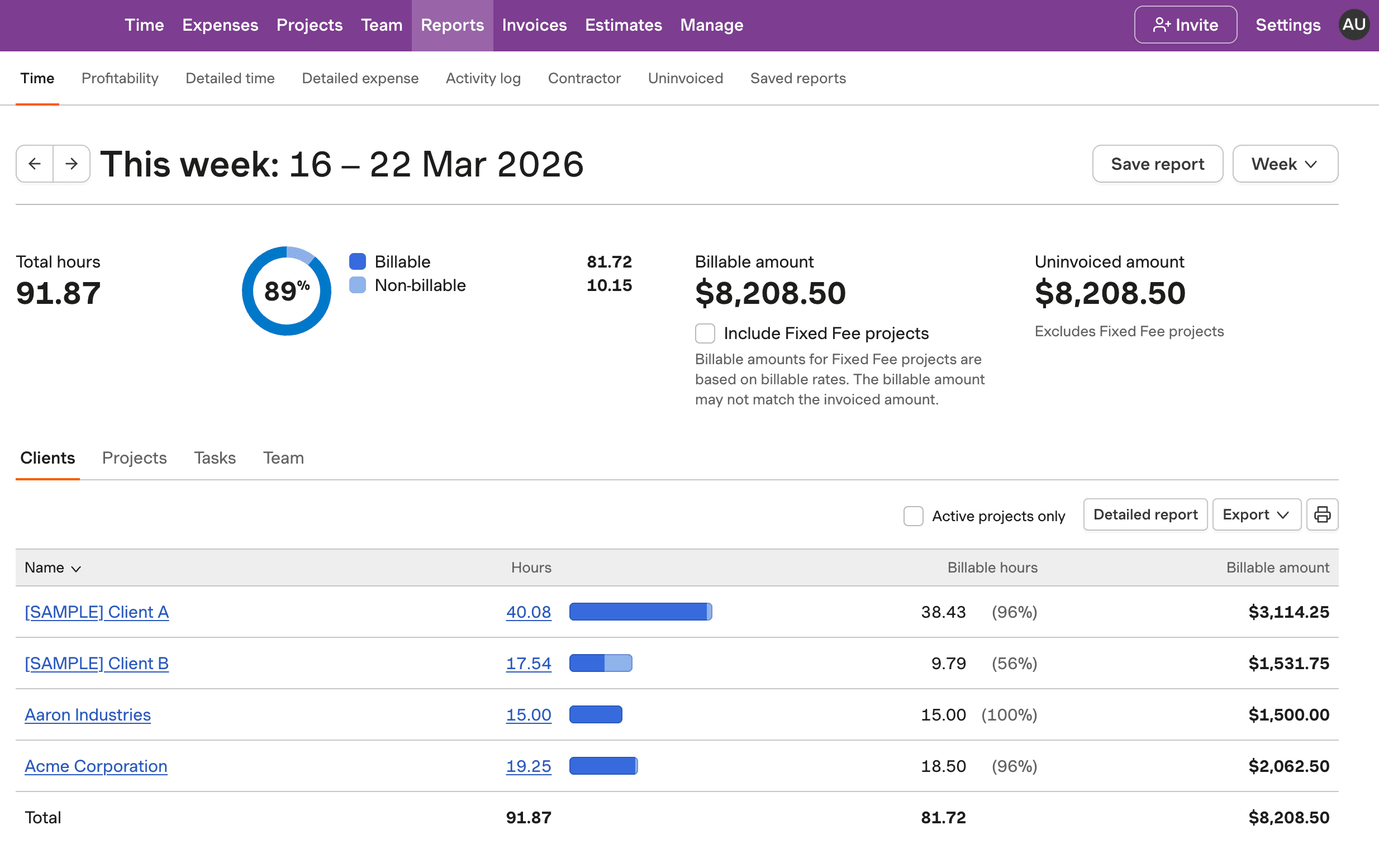
See how Harvest's time tracking features help minimize distractions and streamline workflows to stop wasting time at work.

Harvest time tracking dashboard showing productivity insights.

How to Stop Wasting Time at Work FAQs

  • The most common time-wasting activities at work include internet browsing, which 47% of employees cite as a major issue, social media at 45%, and texting at 44%. These activities can significantly reduce productivity.

  • Setting effective daily goals involves defining specific and achievable objectives. Tools like Harvest can help by integrating with calendar apps to align time entries with scheduled tasks, ensuring a structured and productive day.

  • Minimizing distractions can be achieved by using tools that consolidate tasks, like Harvest, which allows direct time tracking from desktop apps. Creating a dedicated workspace and using "time blocks" for specific tasks also helps maintain focus.

  • Regular breaks are essential for maintaining productivity. Techniques like the Pomodoro Method, which combines work sessions with short breaks, can enhance focus. Harvest's timers make it easy to implement such cycles effectively.

  • Harvest helps reduce time-wasting by offering efficient time tracking and integrations that streamline workflows. Its features minimize distractions by allowing seamless time tracking across desktop and mobile apps.

  • Using tools like Harvest can improve time management by offering one-click timers and detailed reports. These features help streamline workflows and ensure tasks are completed efficiently, reducing time wastage.

  • Meetings can be a significant time-waster, with employees spending an average of 21.5 hours weekly in them. Streamlining meetings and using time tracking tools like Harvest can help manage this time more effectively.