
Harvest
Time Tracking
Sign up free

Norwegian Timesheet Template

Harvest offers customizable timesheet options, perfect for adapting to Norwegian time tracking standards, ensuring compliance and efficiency.

Try Harvest Free

How many hours did you work this week?

Enter your clock-in and clock-out times for each day. The calculator handles breaks, overtime, and weekly totals automatically.

Day Clock In Clock Out Break Hours
Total hours this week 0h
Regular hours (≤40) 0h
Overtime hours 0h
Average hours/day 0h
Total break time 0h

Track time automatically with Harvest

Walk through the entire flow below. Start a timer, check your reports, and create a real invoice — all in three clicks.

Go ahead — start tracking!

One click and you're timing. Try it right here: start a timer, add an entry, edit the details. This is exactly how it feels in Harvest.

  • One-click timer from browser, desktop & mobile
  • Works inside Jira, Asana, Trello, GitHub & 50+ tools
  • Duration or start/end — your call
  • Day, week & calendar views to stay on top of it all
  • Friendly reminders so no hour gets left behind
Acme Corp
Website Redesign
Homepage layout revisions
1:24:09
Content Strategy
Blog calendar planning
1:30:00
SEO Audit
Technical audit report
0:45:00
Brand Guidelines
Color system documentation
2:15:00
Logo Concepts
Initial sketches round 1
1:00:00

Understanding Norwegian Working Time Regulations

Norwegian employers are legally required to maintain precise records of employee working hours, as stipulated by the Working Environment Act, Chapter 10. This includes regular hours, overtime, and breaks. The standard full-time workweek is typically 37.5 hours, distributed across five days, with maximum daily and weekly hours capped at 9 and 40 respectively. For those working shifts or on Sundays, these standard hours may be reduced to 36 or 38 hours per week. Employers must ensure that these records are accessible for inspection by authorities and employee representatives, as non-compliance can result in significant penalties.

Employees working more than six hours are entitled to a 30-minute meal break, which is unpaid unless the employee must remain in the workplace. Furthermore, workers are guaranteed a minimum of 11 consecutive hours of rest per 24-hour period and 35 hours of rest per week. Overtime is any work beyond the standard hours and must be paid at least 40% above the normal rate. The legal limit for overtime is 200 hours annually, and accurate records must be kept accordingly.
Essential Features of a Norwegian Timesheet Template

A well-designed Norwegian timesheet template is crucial for compliance and efficiency. Key features should include fields for date, start and end times, break durations, regular hours, and overtime hours. Additionally, templates for service industries should provide sections for client or project tracking. This ensures that hours worked are accurately recorded and allocated to specific projects or clients.

Calculating total hours worked daily, weekly, and monthly is essential. Templates should also allow space for employee and manager signatures to confirm accuracy and approval. By incorporating these elements, businesses can ensure compliance with Norwegian regulations and facilitate smoother payroll processing.

Choosing and Customizing Your Timesheet Template

Choosing the right timesheet template involves selecting a format that suits your business needs. Popular formats include Excel, PDF, and Google Sheets, each offering unique benefits. Excel and Google Sheets facilitate digital editing and automatic calculations, whereas PDFs are ideal for printing and manual entries.

Customization is crucial for meeting specific business requirements. This includes adding fields for employee details, department, and reporting periods, as well as integrating company logos or specific project codes. For electronic formats, ensure that the template can automatically calculate totals to save time and reduce errors. A well-customized template will enhance usability and ensure all relevant data is captured.

Compliance and Best Practices for Timekeeping

Accurate and compliant timekeeping practices are essential for businesses operating in Norway. It is important to regularly review and approve timesheets to ensure they meet legal requirements. Establishing a clear process for timesheet submission and approval can minimize errors and facilitate compliance.

Educating employees about time tracking policies and the importance of accurate record-keeping is also vital. Timesheets should be stored securely, either electronically or manually, as they must be accessible for labor authorities. By adhering to best practices, businesses can maintain compliance, enhance operational efficiency, and avoid penalties.

Harvest Customizable Timesheet Options

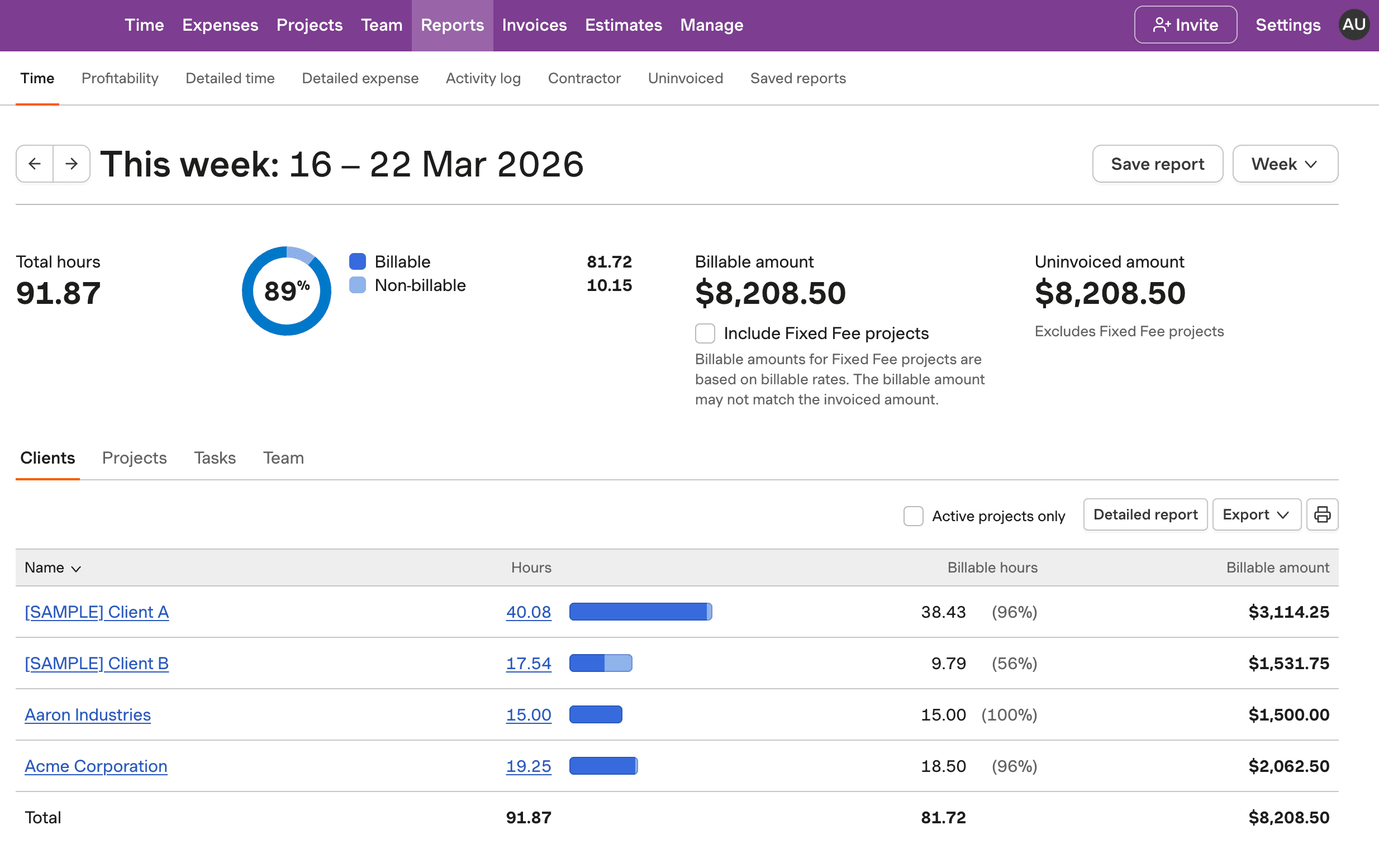
Explore Harvest's customizable timesheet options, tailored for Norwegian standards, ensuring compliance and efficiency in time tracking.

Harvest customizable timesheet options for Norwegian standards.

Norwegian Timesheet Template FAQs

  • Free Norwegian timesheet templates are available on various online platforms, often in formats like Excel, PDF, and Google Sheets. These templates are designed to meet Norwegian legal requirements and can be customized to fit specific business needs.

  • Common formats for Norwegian timesheet templates include Microsoft Excel, PDF, and Google Sheets. Each format offers unique benefits: Excel and Google Sheets allow for digital editing and automatic calculations, while PDFs are suitable for printing and manual entries.

  • A Norwegian timesheet should include fields for date, start and end times, break durations, regular hours, and overtime hours. For service industries, it's important to track time per client or project to ensure accurate billing and compliance with legal requirements.

  • Customizing a timesheet involves adding fields for employee names, departments, and specific project codes. Using digital formats like Excel or Google Sheets allows for automatic calculations, making data entry more efficient. Ensure the template reflects your business's unique time tracking needs.

  • In Norway, employers must maintain detailed records of working hours, including regular and overtime hours. These records should comply with the Working Environment Act and be accessible for inspection by the Norwegian Labour Inspection Authority and employee representatives.

  • Overtime in Norway is any work beyond the standard 37.5-hour workweek and is compensated at a minimum rate of 40% above the regular hourly wage. Employers must accurately record overtime hours and adhere to the annual limit of 200 hours.

  • Yes, timesheets are essential for accurate payroll processing and client invoicing, especially in service-based industries. They ensure all worked hours are documented and billed correctly, facilitating smooth financial operations.