
Harvest
Time Tracking
Sign up free

Time Tracking Gitlab Integration

Harvest integrates seamlessly with GitLab to enhance project management through precise time tracking. Simplify your workflow with Harvest's detailed reports.

Try Harvest Free

How much revenue is your team leaving on the table?

Most agencies run at 55-60% utilization. Even a small improvement means significant revenue. See what closing the gap looks like for your team.

Number of people who track billable time
$
Blended rate across roles (junior, senior, lead)
55%
Percentage of total hours that are billable. Industry average is 55-60%.
75%
A realistic target for service businesses is 70-80%.
Monthly revenue gap $0
Revenue at current utilization $0/mo
Revenue at target utilization $0/mo
Extra billable hours needed per person/day 0h
Annual revenue opportunity $0

Start tracking team utilization

Walk through the entire flow below. Start a timer, check your reports, and create a real invoice — all in three clicks.

Go ahead — start tracking!

One click and you're timing. Try it right here: start a timer, add an entry, edit the details. This is exactly how it feels in Harvest.

  • One-click timer from browser, desktop & mobile
  • Works inside Jira, Asana, Trello, GitHub & 50+ tools
  • Duration or start/end — your call
  • Day, week & calendar views to stay on top of it all
  • Friendly reminders so no hour gets left behind
Acme Corp
Website Redesign
Homepage layout revisions
1:24:09
Content Strategy
Blog calendar planning
1:30:00
SEO Audit
Technical audit report
0:45:00
Brand Guidelines
Color system documentation
2:15:00
Logo Concepts
Initial sketches round 1
1:00:00

Integrating Time Tracking with GitLab

Integrating time tracking capabilities with GitLab can enhance project management and reporting efficiency. GitLab offers built-in time tracking features available across its Free, Premium, and Ultimate tiers, allowing users to record actual time spent and estimate total time for work items like issues, merge requests, epics, and tasks. Since its introduction in GitLab 17.0, these features have evolved, with time tracking for epics becoming generally available in GitLab 18.1. A critical aspect is understanding the standardized time units: months, weeks, days, hours, and minutes, which ensure consistent reporting.

Setting up time tracking within GitLab requires administrative actions, such as enabling the global time tracking report for GitLab Self-Managed instances. This feature allows teams to maintain a comprehensive overview of time spent across various projects. By utilizing GitLab's native time tracking, teams can effectively manage workloads, optimize resource allocation, and ensure timely project delivery.
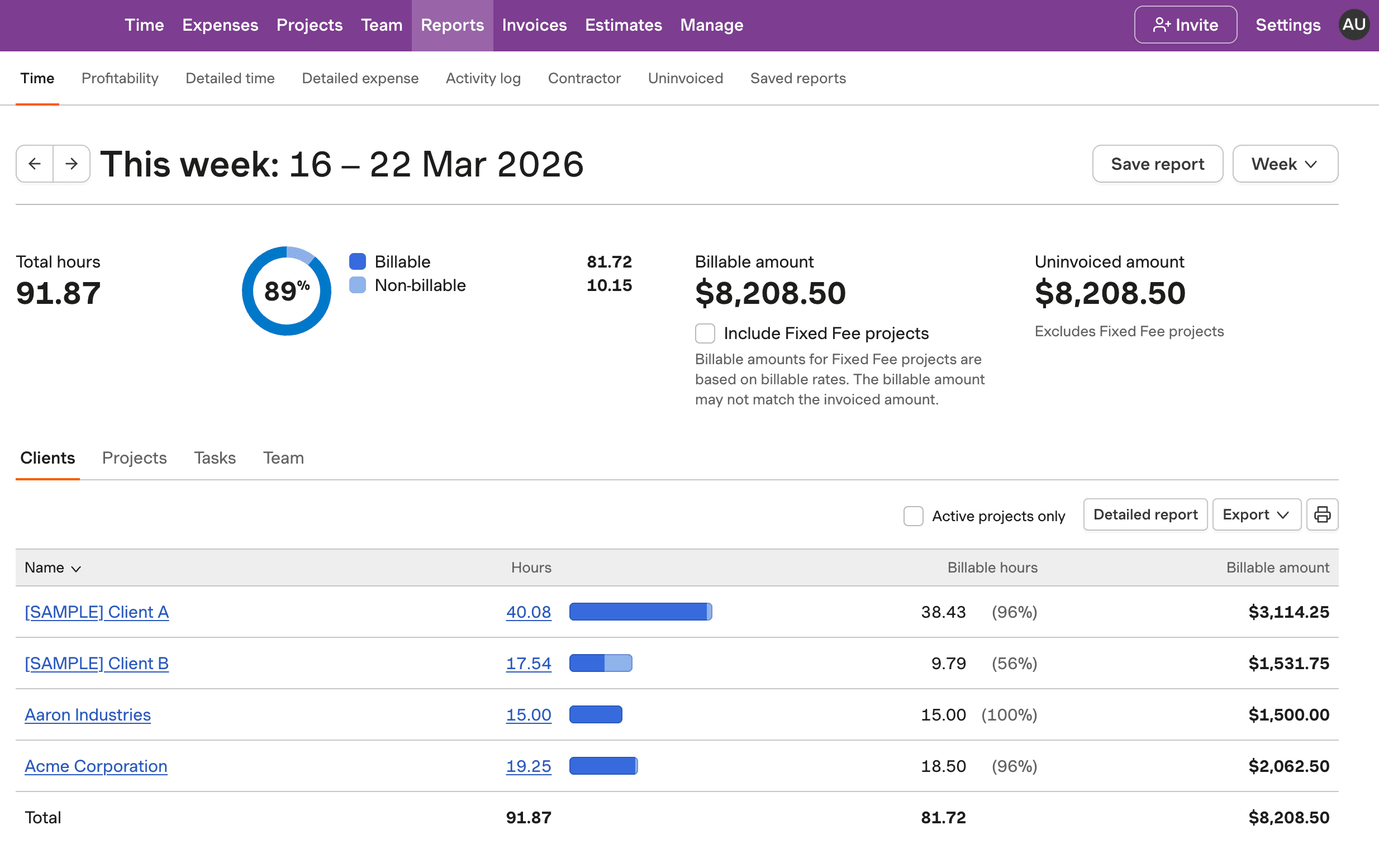
Boost Project Management with GitLab's Time Tracking

Time tracking in GitLab plays a significant role in boosting project management efficiency. It allows for accurate logging of time spent on specific issues and merge requests, which can directly impact project timelines and budgets. With GitLab's native capabilities, users can employ the /estimate and /spend quick actions to add or log time estimates directly within issues or merge requests, ensuring precise tracking of project progress. For example, using /estimate 1w 2d can set an estimate for a task, which can be adjusted as the project evolves.

Furthermore, GitLab's time tracking supports detailed reports that help teams monitor and evaluate their productivity. This functionality is enhanced by the ability to generate global time tracking reports, which can be accessed by administrators. These reports provide insights into team utilization and highlight areas for improvement, allowing for better decision-making and resource management.

Leveraging Time Tracking for Enhanced Team Collaboration

Effective time tracking is crucial for enhancing team collaboration and ensuring project success. In GitLab, time tracking features are accessible to users with roles of Planner, Reporter, Developer, Maintainer, or Owner, streamlining the process of logging time across the team. By maintaining transparency in time tracking, teams can foster a culture of accountability and collaboration, where each member understands their contribution to the project timeline.

GitLab also offers the flexibility to integrate with external time tracking solutions to extend its functionality. This allows teams to incorporate advanced reporting and automation features, which might not be fully covered by GitLab's native features. For instance, integrating with tools like Harvest can provide enhanced analytical capabilities, helping teams to analyze project data in greater depth and make informed strategic decisions.

Optimizing Workflows with Time Tracking Data

Optimizing workflows through effective use of time tracking data can lead to substantial improvements in project efficiency. GitLab's time tracking features enable teams to generate detailed reports on time spent, providing insights into productivity patterns and identifying bottlenecks. With the ability to track time on specific issues and merge requests, teams can ensure that resources are utilized effectively and project timelines are adhered to.

Incorporating time tracking data into regular project management workflows allows teams to budget projects accurately and forecast future resource requirements. This data-driven approach can significantly enhance client billing accuracy and improve team productivity analysis. By leveraging time tracking within GitLab, teams can align their efforts with project goals, ensuring successful project delivery and client satisfaction.

Understanding the Costs and Benefits of GitLab Time Tracking

Understanding the costs and benefits associated with GitLab's time tracking features is essential for teams aiming to optimize their project management processes. GitLab's Free plan supports up to five users and includes native time tracking capabilities, making it a cost-effective solution for small teams. For larger teams or those requiring advanced features, the Premium plan available at $29 per user per month offers enhanced capabilities.

Using time tracking with GitLab provides numerous benefits, such as improved project visibility, enhanced team accountability, and better resource management. By integrating time tracking into their workflows, teams can achieve greater efficiency and ensure that projects are completed on time and within budget. The ability to generate detailed reports further adds value by facilitating strategic planning and performance evaluation.

Time Tracking Integration with GitLab and Harvest

This section shows how Harvest integrates with GitLab for seamless time tracking and detailed project reports, enhancing management efficiency.

Time tracking integration with GitLab using Harvest

Time Tracking Gitlab Integration FAQs

  • To set up time tracking in GitLab, access the Admin area, navigate to Settings > Preferences, and enable the time tracking options. This allows standardized time tracking across issues and merge requests.

  • GitLab supports integrations with various time tracking tools like Harvest, which can enhance project management with detailed reporting and analytics.

  • Yes, you can track time on GitLab issues by using the /spend and /estimate quick actions within issues and merge requests. This allows for precise logging and estimation of time spent.

  • Time tracking in GitLab improves project visibility, accountability, and resource management. It helps ensure projects are completed on time and within budget.

  • GitLab's Free plan includes time tracking for up to five users. For advanced features, the Premium plan costs $29 per user per month.

  • Harvest enhances GitLab's time tracking by providing in-depth analytics and reports, making it easier to manage projects effectively and analyze team productivity.

  • To use time tracking features in GitLab, users need at least the Planner, Reporter, Developer, Maintainer, or Owner role. These roles enable adding and editing time entries.

  • Yes, GitLab allows generating detailed reports on time spent, providing insights into productivity and resource utilization, essential for effective project management.