
Harvest
Time Tracking
Sign up free

Time Tracking Hubspot Integration

Poor time management leads to 43% of project failures. Harvest helps teams and freelancers track time efficiently, enhancing productivity and profitability.

Try Harvest Free

How much revenue is your team leaving on the table?

Most agencies run at 55-60% utilization. Even a small improvement means significant revenue. See what closing the gap looks like for your team.

Number of people who track billable time
$
Blended rate across roles (junior, senior, lead)
55%
Percentage of total hours that are billable. Industry average is 55-60%.
75%
A realistic target for service businesses is 70-80%.
Monthly revenue gap $0
Revenue at current utilization $0/mo
Revenue at target utilization $0/mo
Extra billable hours needed per person/day 0h
Annual revenue opportunity $0

Start tracking team utilization

Walk through the entire flow below. Start a timer, check your reports, and create a real invoice — all in three clicks.

Go ahead — start tracking!

One click and you're timing. Try it right here: start a timer, add an entry, edit the details. This is exactly how it feels in Harvest.

  • One-click timer from browser, desktop & mobile
  • Works inside Jira, Asana, Trello, GitHub & 50+ tools
  • Duration or start/end — your call
  • Day, week & calendar views to stay on top of it all
  • Friendly reminders so no hour gets left behind
Acme Corp
Website Redesign
Homepage layout revisions
1:24:09
Content Strategy
Blog calendar planning
1:30:00
SEO Audit
Technical audit report
0:45:00
Brand Guidelines
Color system documentation
2:15:00
Logo Concepts
Initial sketches round 1
1:00:00

The Strategic Imperative: Why Integrate Time Tracking with Your CRM?

Integrating time tracking with a CRM like HubSpot is essential for enhancing project management efficiency and overall business operations. Poor time management contributes to 43% of project failures, underscoring the need for effective tracking solutions. By linking time tracking with CRM systems, organizations can gain a unified view of customer interactions and project progress, leading to improved decision-making and profitability.

Organizations that adopt integrated time tracking often see substantial efficiency gains and cost reductions. Automated time tracking eliminates manual errors and can significantly cut labor costs by allowing precise monitoring and management of employee hours. Furthermore, this integration ensures accurate client billing, preventing revenue leakage, and enhancing transparency across teams.
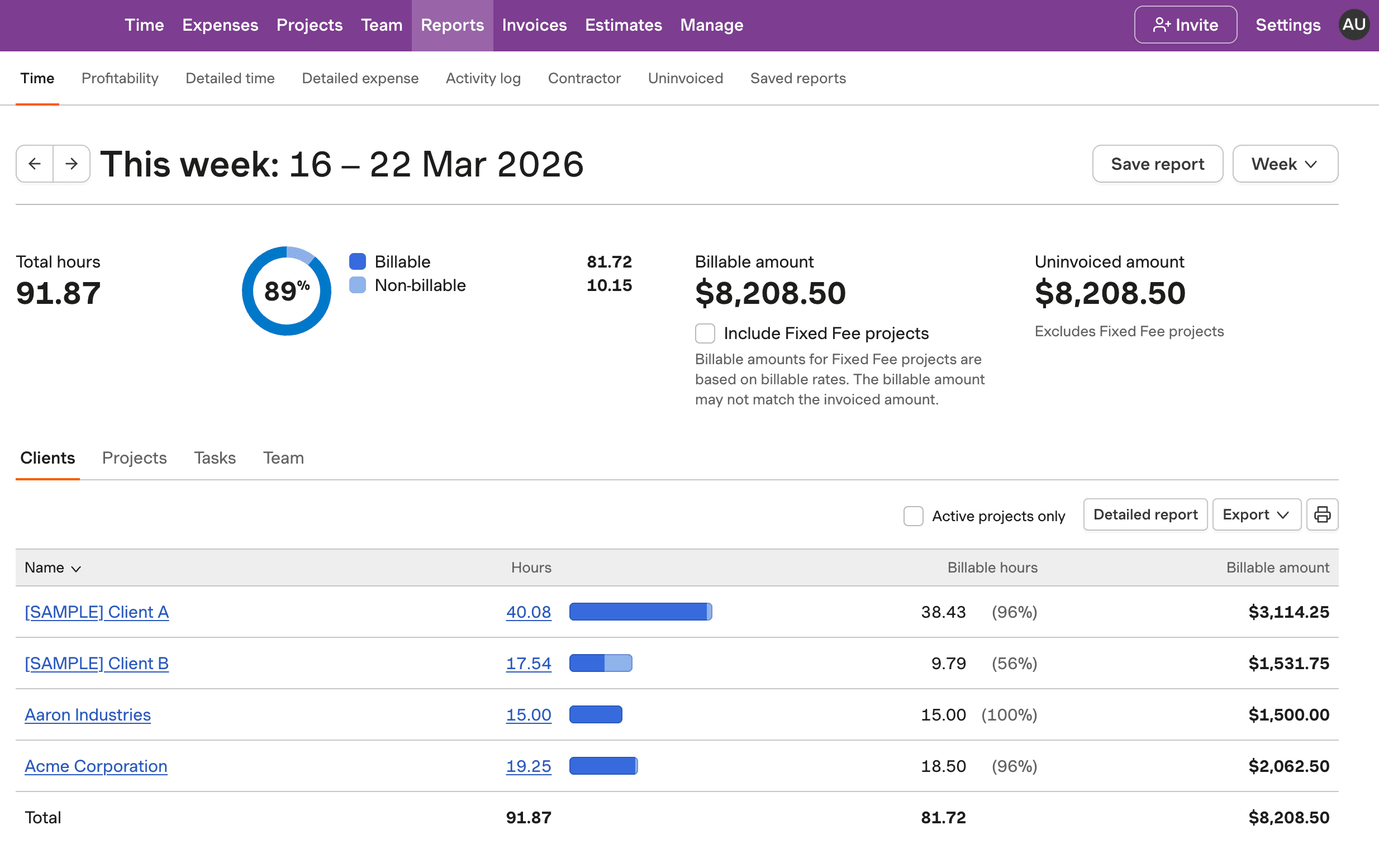
Core Features and Capabilities of Integrated Time Tracking Solutions

When integrating time tracking with HubSpot, look for solutions offering robust features that streamline operations. Automated time capture is crucial, utilizing timers and smart detection to reduce manual entries. Detailed reporting and analytics are vital for evaluating individual, team, and project performance, enabling data-driven decisions.

Integration with CRM tasks and client records is essential for seamless workflow management. Effective solutions support tracking of both billable and non-billable hours, with the ability to generate invoices directly from tracked time. Mobile accessibility ensures that team members can log hours on-the-go, maintaining productivity regardless of location. Customizable dashboards provide real-time insights into workloads and budgets, fostering proactive management.

A Practical Guide to Implementing and Optimizing Your Integration

Setting up time tracking integration with HubSpot involves several key steps. First, enable the time tracking feature within your CRM. Next, connect the systems using built-in connectors, browser extensions, or APIs, ensuring proper authorization between platforms. Configure time tracking settings to align with tasks, projects, or clients.

To maximize the benefits, adopt best practices like configuring tracking rules tailored to project types and roles. Encourage user adoption through comprehensive training, ensuring consistent data entry. Regularly leverage reports to refine workflows and optimize resource allocation. As your business evolves, consider scaling the integration to meet changing needs.

Navigating Data Privacy, Compliance, and Ethical Considerations

Integrating time tracking with CRM systems like HubSpot requires strict adherence to data privacy regulations such as GDPR, which affects businesses with operations in the EU. GDPR mandates lawful data processing, purpose limitation, and data minimization, ensuring only necessary data is collected.

Transparency with employees is crucial, informing them about data collection, usage, and retention policies. To remain compliant, implement robust data security measures and clear data retention policies. Balancing productivity monitoring with respecting employee privacy is essential, ensuring ethical data use.

Seamless Time Tracking with Harvest

See how Harvest integrates time tracking with HubSpot to enhance project management efficiency and profitability.

Harvest time tracking integration with HubSpot screenshot

Time Tracking Hubspot Integration FAQs

  • Integrating time tracking with HubSpot typically involves using built-in connectors or APIs to link the systems. First, enable the time tracking feature in the CRM, then authorize access between platforms to set up seamless tracking for tasks and projects.

  • Integrating time tracking with HubSpot enhances project management by providing a unified view of project progress and customer interactions. It improves decision-making, boosts productivity, and ensures accurate billing, reducing revenue leakage.

  • Look for features like automated time capture, detailed reporting, integration with CRM tasks, and mobile accessibility. These capabilities enhance efficiency and provide real-time insights into project performance and resource allocation.

  • Time tracking in HubSpot improves project management by providing precise data on time spent on tasks, facilitating better resource allocation, and enhancing accountability. It helps identify project cost overruns early and ensures accurate client billing.

  • While some basic time tracking functionalities may be free, advanced features and integrations often come with costs. It's essential to evaluate the pricing models of different solutions to understand the financial investment required.

  • To ensure GDPR compliance, collect only necessary data, maintain transparency with employees, and secure data storage. Establish clear data retention policies and ensure that you have a lawful basis for processing personal data.

  • Poor time management is a leading cause of project failures, affecting 43% of projects. It can lead to missed deadlines, budget overruns, and reduced profitability. Effective time tracking helps mitigate these risks by providing accurate data and insights.