
Harvest
Time Tracking
Sign up free

Timesheet in Spain

Harvest helps businesses in Spain comply with digital timesheet mandates by offering tamper-resistant and auditable time tracking solutions.

Try Harvest Free

How much revenue is your team leaving on the table?

Most agencies run at 55-60% utilization. Even a small improvement means significant revenue. See what closing the gap looks like for your team.

Number of people who track billable time
$
Blended rate across roles (junior, senior, lead)
55%
Percentage of total hours that are billable. Industry average is 55-60%.
75%
A realistic target for service businesses is 70-80%.
Monthly revenue gap $0
Revenue at current utilization $0/mo
Revenue at target utilization $0/mo
Extra billable hours needed per person/day 0h
Annual revenue opportunity $0

Start tracking team utilization

Walk through the entire flow below. Start a timer, check your reports, and create a real invoice — all in three clicks.

Go ahead — start tracking!

One click and you're timing. Try it right here: start a timer, add an entry, edit the details. This is exactly how it feels in Harvest.

  • One-click timer from browser, desktop & mobile
  • Works inside Jira, Asana, Trello, GitHub & 50+ tools
  • Duration or start/end — your call
  • Day, week & calendar views to stay on top of it all
  • Friendly reminders so no hour gets left behind
Acme Corp
Website Redesign
Homepage layout revisions
1:24:09
Content Strategy
Blog calendar planning
1:30:00
SEO Audit
Technical audit report
0:45:00
Brand Guidelines
Color system documentation
2:15:00
Logo Concepts
Initial sketches round 1
1:00:00

The Evolving Landscape of Timesheets in Spain: From Paper to Digital Mandate

As Spain transitions to mandated digital timesheets, businesses are navigating significant changes in compliance requirements. Initiated by Royal Decree-Law 8/2019, the legal obligation for recording working hours came into effect on May 12, 2019, setting the stage for the transition. However, a new draft Royal Decree, published in October 2025, mandates the shift from paper to digital systems, expected to be fully enforced by 2026. This move aims to enhance transparency, prevent overtime abuse, and ensure alignment with EU labor directives.

The upcoming regulations are comprehensive, applying universally across all companies regardless of size or sector, including senior executives, who were previously exempt. These changes reflect a broader effort to create a more transparent and fair workplace, addressing issues of overtime and ensuring that all working hours are accurately logged and accessible.
Key Requirements for Digital Timekeeping Compliance

With the new regulations, Spanish companies must adhere to stringent digital timekeeping requirements. All employees, regardless of contract type, are included in this mandate. Daily start and end times must be recorded, with the option to log breaks, ensuring compliance with working time regulations. Importantly, these records must be tamper-resistant and auditable, meeting high standards of data integrity.

Employees must have real-time access to their records, and any changes require their consent. The Labour and Social Security Inspectorate will have both remote and on-site access to ensure compliance. Furthermore, records need to be stored for at least four years, underscoring the importance of reliable and secure digital solutions. Failure to comply could lead to fines ranging from €1,000 to €10,000 per employee, a significant increase from previous penalties.

Navigating Compliance: Practical Steps and Avoiding Penalties

To smoothly transition to digital timesheets, companies should start by auditing their current systems to identify compliance gaps. Developing a strategic plan for digital implementation is crucial. The selection of compliant digital timekeeping software is a key step, with criteria including security, traceability, and real-time access for employees and inspectors.

Establishing internal protocols and providing training to employees on new tools and procedures is essential for seamless integration. The consequences of non-compliance are steep, with penalties potentially reaching €10,000 per affected employee. Therefore, proactive measures to ensure compliance are vital to avoid these financial risks.

Broader Implications for the Spanish Workplace

The shift to digital timesheets is part of broader changes in the Spanish workplace, including a reduction in the standard workweek to 37.5 hours. This change requires adjustments in schedules and collective bargaining agreements, promoting a healthier work-life balance. The right to digital disconnection is also reinforced, ensuring employees are not obligated to engage with work duties outside of designated hours.

These changes necessitate updates to internal HR policies, impacting payroll processes and employee management. As companies adapt to these new regulations, they must prioritize compliance to avoid legal pitfalls and embrace the benefits of a more structured and transparent working environment.

Harvest Ensures Timesheet Compliance in Spain

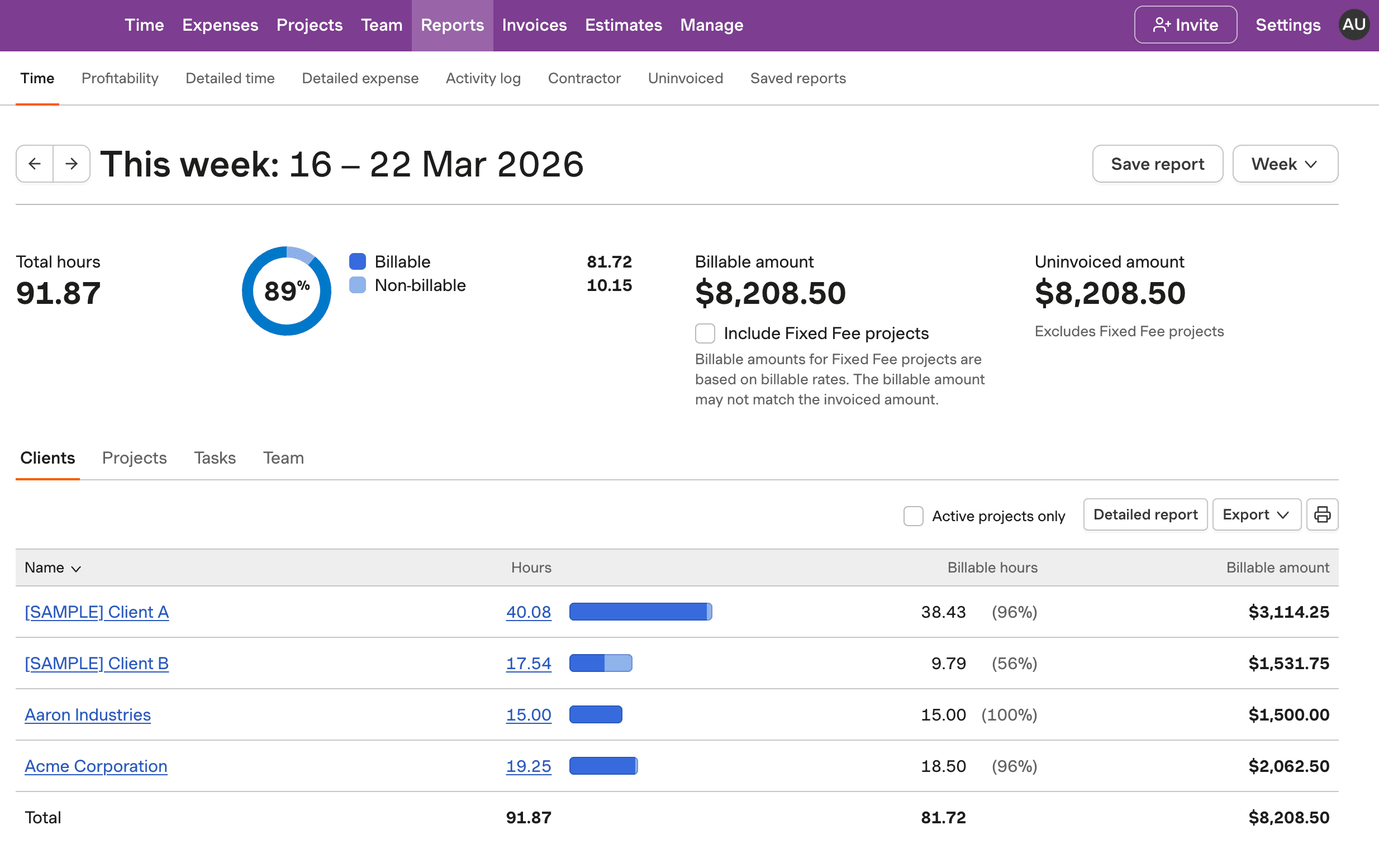
See how Harvest's features align with Spain's digital timesheet regulations, offering tamper-resistant and auditable time tracking.

Harvest screenshot showcasing digital timesheet compliance features.

Timesheet in Spain FAQs

  • Spain's new regulations mandate digital timesheets for all companies, effective by 2026. These require recording daily start and end times, ensuring records are tamper-resistant and accessible for inspection.

  • Businesses should transition to digital timekeeping systems that are secure, traceable, and provide real-time access to employees. Harvest offers solutions that meet these compliance needs, ensuring legal conformity.

  • Companies can face fines ranging from €1,000 to €10,000 per affected employee for failing to comply with digital timesheet requirements. This is a significant increase from previous penalties.

  • The digital timesheet requirement applies universally to all companies and employees, including senior executives. There are no exemptions based on company size or sector.

  • A compliant system must be secure, tamper-resistant, provide real-time employee access, and ensure traceability. Harvest meets these criteria with its robust time tracking and reporting capabilities.

  • Harvest offers a tamper-resistant activity log and real-time access to working time records, ensuring compliance with Spain's digital timesheet mandates and reducing legal risks for businesses.

  • HR policies must be updated to reflect the reduced 37.5-hour workweek and digital disconnection rights. This includes revising collective bargaining agreements and internal protocols.

  • The regulations reinforce the right to digital disconnection, ensuring employees are not required to work or respond outside of their scheduled hours, thus improving work-life balance.