
Harvest
Time Tracking
Sign up free

Time Tracking in Spain

In Spain, compliance with time tracking laws is crucial. Harvest offers a digital solution that ensures adherence to regulations, with features like real-time access and auditable records.

Try Harvest Free

How many hours did you work this week?

Enter your clock-in and clock-out times for each day. The calculator handles breaks, overtime, and weekly totals automatically.

Day Clock In Clock Out Break Hours
Total hours this week 0h
Regular hours (≤40) 0h
Overtime hours 0h
Average hours/day 0h
Total break time 0h

Track time automatically with Harvest

Walk through the entire flow below. Start a timer, check your reports, and create a real invoice — all in three clicks.

Go ahead — start tracking!

One click and you're timing. Try it right here: start a timer, add an entry, edit the details. This is exactly how it feels in Harvest.

  • One-click timer from browser, desktop & mobile
  • Works inside Jira, Asana, Trello, GitHub & 50+ tools
  • Duration or start/end — your call
  • Day, week & calendar views to stay on top of it all
  • Friendly reminders so no hour gets left behind
Acme Corp
Website Redesign
Homepage layout revisions
1:24:09
Content Strategy
Blog calendar planning
1:30:00
SEO Audit
Technical audit report
0:45:00
Brand Guidelines
Color system documentation
2:15:00
Logo Concepts
Initial sketches round 1
1:00:00

The Evolution of Time Tracking in Spain: From Mandate to Digital Obligation

Time tracking in Spain has undergone significant transformations, beginning with the implementation of the Royal Decree-Law 8/2019 in May 2019. This law mandated that all companies maintain detailed records of employee working hours. However, the landscape is set to shift once more with the introduction of a draft Royal Decree published on October 10, 2025, which aims to enforce digital systems for time tracking. This new regulation is expected to take effect in late 2025 or early 2026, marking a move towards standardized digital compliance.

The upcoming digital mandate will apply universally across all companies in Spain, irrespective of size or sector, and will include all types of employment contracts, such as full-time, part-time, and even senior executives. The push towards digital is driven by the need to prevent overtime abuse and ensure transparency, aligning with broader EU directives on work time management.
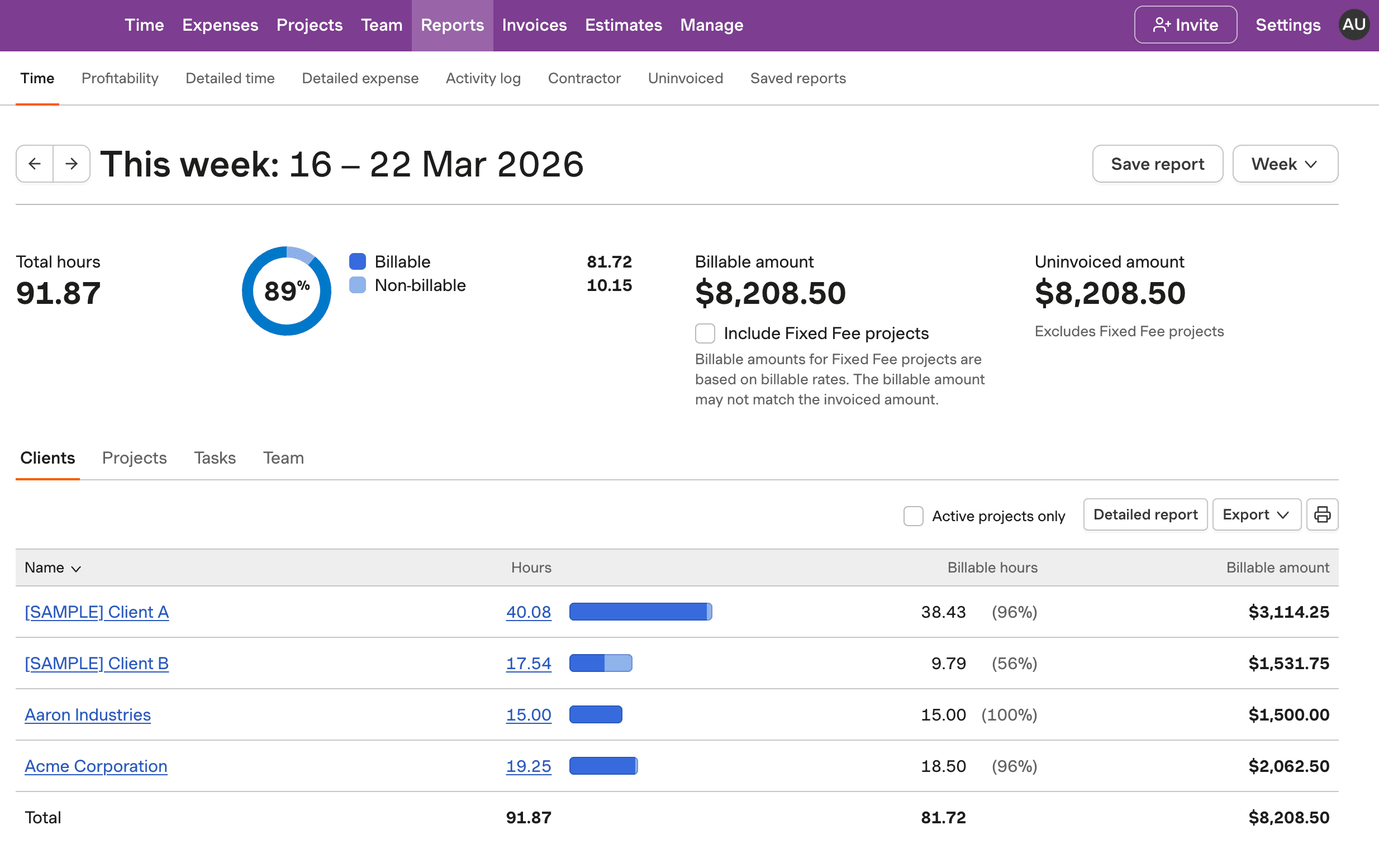
Understanding the New Digital Time Tracking Requirements

The new digital time tracking requirements in Spain prohibit the use of manual methods, such as Excel files or handwritten logs, which have been deemed insufficient. Instead, companies must adopt systems that are objective, reliable, and accessible at all times. These systems must be tamper-resistant, ensuring no data can be altered without traceability or explicit employee consent.

Additionally, digital time tracking systems must accurately capture daily working hours, including start and end times, breaks, and work locations. The systems should also provide daily and monthly summaries of hours worked and retain records for a minimum of four years. Employees must have real-time access to their own records, and this transparency extends to employee representatives and labor inspectors, who require access for compliance verification.

Ensuring Compliance: A Practical Guide for Businesses

To comply with Spain's new digital time tracking laws, businesses must evaluate their current systems and transition to compliant digital solutions. This involves selecting a system that is objective, reliable, tamper-proof, and provides real-time access for employees and inspectors. Harvest, for example, offers such capabilities through its robust digital time tracking and auditable records.

Implementing formal protocols for time registration is essential, and these should be developed in consultation with employee representatives. Training employees on the new system is crucial, ensuring they understand its use and purpose. Additionally, businesses should integrate time tracking with payroll and HR systems to maintain accuracy and prevent discrepancies. Regular audits can help ensure ongoing compliance and avoid the significant fines that range from €625 to €187,515 for non-compliance.

Employee Rights, Access, and Transparency

Employee rights are a central focus of Spain's new time tracking laws. Employees must have real-time access to their working time records, and they can request copies at any time. Each payslip must include a summary of hours worked, ensuring transparency in compensation and compliance with labor rights.

The law also emphasizes the right to disconnect, underscoring that employees should not be contacted outside recorded working hours. Harvest supports these requirements by allowing employees to access their time records in real-time, fostering an environment of transparency and trust.

Consequences of Non-Compliance and Avoiding Penalties

Non-compliance with Spain's time tracking laws can result in hefty fines ranging from €625 to €187,515, with collective penalties having already exceeded €16 million since 2019. Employers face the risk of employees claiming back pay and benefits, and possibly criminal charges if found non-compliant.

To avoid these penalties, businesses should conduct proactive audits and ensure their time tracking systems meet the legal standards. Harvest provides a compliant digital solution with features such as tamper-resistant records and real-time access, helping businesses adhere to regulations and avoid classification as serious offenders.

Time Tracking in Spain with Harvest

Discover how Harvest helps you comply with Spain's time tracking laws, offering real-time access and auditable records.

Screenshot of Harvest's time tracking system complying with Spanish laws

Time Tracking in Spain FAQs

  • Spain's new digital time tracking laws, expected in late 2025 or early 2026, require all companies to use objective, reliable, and tamper-resistant digital systems for tracking working hours. These systems must provide real-time employee access and retain records for four years.

  • Businesses in Spain can comply by adopting digital time tracking systems that are objective, reliable, and auditable. Systems like Harvest offer features such as real-time access and tamper-resistant records, aligning with legal requirements.

  • Penalties for non-compliance range from €625 to €187,515, with potential for back-pay claims and criminal charges. Since 2019, fines have collectively exceeded €16 million. Using compliant systems like Harvest helps avoid these penalties.

  • Yes, employees in Spain must have real-time access to their working time records. Systems like Harvest provide this access, ensuring transparency and compliance with labor laws.

  • A compliant system must be objective, reliable, and tamper-resistant, with real-time access for employees and inspectors. Harvest offers these features, ensuring compliance with Spanish regulations.

  • The law applies to all workers, including remote employees. Digital systems must accurately record work location and hours, ensuring compliance regardless of where employees work from.

  • Employers can only modify time records with explicit employee consent and full traceability. Systems like Harvest ensure tamper-proof records, aligning with legal standards.