
Harvest
Time Tracking
Sign up free

Timesheet Software for Manufacturing

Labor costs can account for up to 70% of total business expenses in manufacturing. Harvest offers effective timesheet solutions to manage these costs efficiently.

Try Harvest Free

How many hours did you work this week?

Enter your clock-in and clock-out times for each day. The calculator handles breaks, overtime, and weekly totals automatically.

Day Clock In Clock Out Break Hours
Total hours this week 0h
Regular hours (≤40) 0h
Overtime hours 0h
Average hours/day 0h
Total break time 0h

Track time automatically with Harvest

Walk through the entire flow below. Start a timer, check your reports, and create a real invoice — all in three clicks.

Go ahead — start tracking!

One click and you're timing. Try it right here: start a timer, add an entry, edit the details. This is exactly how it feels in Harvest.

  • One-click timer from browser, desktop & mobile
  • Works inside Jira, Asana, Trello, GitHub & 50+ tools
  • Duration or start/end — your call
  • Day, week & calendar views to stay on top of it all
  • Friendly reminders so no hour gets left behind
Acme Corp
Website Redesign
Homepage layout revisions
1:24:09
Content Strategy
Blog calendar planning
1:30:00
SEO Audit
Technical audit report
0:45:00
Brand Guidelines
Color system documentation
2:15:00
Logo Concepts
Initial sketches round 1
1:00:00

The Imperative of Specialized Timesheet Software in Manufacturing

Accurate timesheet software is essential in the manufacturing industry, where labor costs can account for up to 70% of total business expenses. This figure underscores the need for precise tracking to manage these costs effectively. Manufacturing operations face unique challenges such as diverse roles, rotating shifts, and the need to monitor multiple machines and concurrent jobs. These complexities demand a transition from manual methods like spreadsheets to automated systems that enhance data reliability and reduce errors, which are prevalent in one out of four manually tracked timesheets.

Adopting specialized software not only ensures accurate payroll but also underpins critical business functions such as job costing, scheduling, and compliance. Accurate time data is crucial for evaluating operating efficiency, especially when labor costs are higher than the industry average, indicating potential inefficiencies. By leveraging detailed time tracking, manufacturers can optimize productivity, improve workforce planning, and maintain a competitive edge.
Core Features and Benefits for Manufacturing Operations

Manufacturing operations benefit significantly from timesheet software that offers granular time tracking capabilities. This allows businesses to track time by job, work order, machine, or cost center, ensuring precise labor cost allocation and project costing. Real-time visibility into labor activities across shifts and departments helps identify bottlenecks and optimize resource allocation, crucial for improving productivity when employees are productive for only about 2 hours and 53 minutes per day.

Automated compliance features are also vital, as they ensure adherence to complex federal, state, and union regulations, including overtime rules and shift differentials. Integration capabilities with ERP, payroll, and HR systems eliminate manual data entry and reduce administrative burdens. Flexible clock-in options, such as biometric time clocks and mobile apps, accommodate diverse shop floor environments, enhancing data capture accuracy and employee adoption.

Navigating Compliance and Regulatory Landscapes in Manufacturing

Compliance with labor regulations is a critical concern for manufacturing businesses. The Fair Labor Standards Act (FLSA) requires detailed recordkeeping for non-exempt employees, including hours worked and overtime pay at 1.5 times the regular rate for hours exceeding 40 per week. Beyond federal requirements, many states have stricter laws concerning wage, overtime, and break policies, necessitating a robust compliance strategy.

Automated timesheet systems provide compliance-ready audit trails, essential for inspections and audits. These systems also help in managing fatigue by tracking work hours to prevent safety risks associated with operating heavy machinery. Ensuring adherence to these regulations not only avoids penalties but also fosters a safer, more efficient workplace.

Implementing and Optimizing Timesheet Software for Productivity Gains

Strategic implementation of timesheet software can lead to significant productivity gains in manufacturing. Establishing clear time-tracking policies and providing comprehensive training helps employees understand the benefits of accurate time logging. A culture of transparency and trust encourages adoption and minimizes resistance to change.

Data-driven decision-making is enhanced with real-time data and detailed reports. These insights allow for the optimization of shift schedules, project timelines, and resource allocation, directly impacting productivity and efficiency. By preventing payroll errors and eliminating "buddy punching," manufacturers can reduce labor costs and improve staffing management. Continuous review of time-tracking data supports ongoing improvements and adaptation to regulatory changes, ensuring sustained operational success.

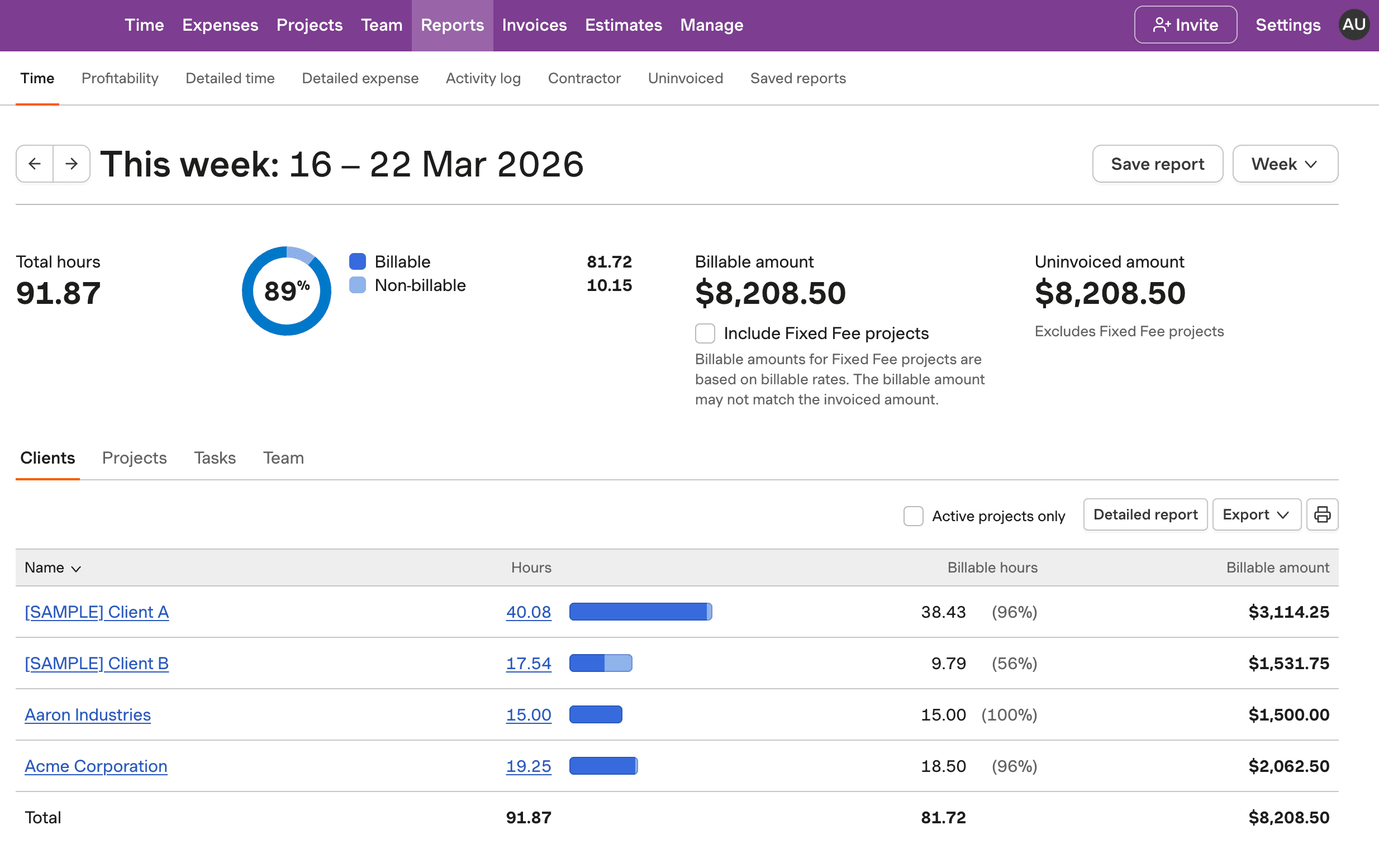
Harvest Timesheet Software for Manufacturing

See how Harvest's timesheet solutions optimize labor cost tracking and productivity in manufacturing settings.

Screenshot of Harvest timesheet software tailored for manufacturing.

Timesheet Software for Manufacturing FAQs

  • Look for software that offers granular time tracking by job, work order, or machine, real-time visibility, automated compliance with labor laws, and integration capabilities with ERP and payroll systems. These features are crucial for managing labor costs and optimizing productivity in manufacturing.

  • Timesheet software improves productivity by providing real-time insights into labor activities, allowing for better resource allocation and identification of bottlenecks. It also reduces errors associated with manual tracking, enhancing overall operational efficiency.

  • Yes, manufacturing must comply with federal FLSA requirements and often stricter state laws on minimum wage, overtime, and break policies. Automated timesheet software helps ensure adherence to these regulations, providing audit-ready records and fatigue management features.

  • Harvest allows tracking time by project and task, adaptable for jobs or work orders, enabling precise labor cost allocation. It offers detailed reporting features that focus on labor costs and productivity metrics, essential for manufacturing operations.

  • Labor cost tracking is critical in manufacturing as it can constitute up to 70% of total business costs. Accurate tracking helps manage these expenses, evaluate operating efficiency, and maintain a competitive market position.

  • Yes, Harvest integrates with various systems like ERP, payroll, and accounting, ensuring seamless data flow and reducing administrative burdens. This integration capability is crucial for manufacturing environments.

  • Real-time time tracking provides instant visibility into labor activities, allowing for quick identification of inefficiencies and better resource management. This leads to optimized productivity and reduced labor costs.