
Harvest
Time Tracking
Sign up free

Time Tracking and Employee Privacy

With over 73% of employers monitoring workers, understanding how to balance time tracking with employee privacy is crucial. Harvest ensures compliance while respecting privacy.

Try Harvest Free

How much revenue is your team leaving on the table?

Most agencies run at 55-60% utilization. Even a small improvement means significant revenue. See what closing the gap looks like for your team.

Number of people who track billable time
$
Blended rate across roles (junior, senior, lead)
55%
Percentage of total hours that are billable. Industry average is 55-60%.
75%
A realistic target for service businesses is 70-80%.
Monthly revenue gap $0
Revenue at current utilization $0/mo
Revenue at target utilization $0/mo
Extra billable hours needed per person/day 0h
Annual revenue opportunity $0

Start tracking team utilization

Walk through the entire flow below. Start a timer, check your reports, and create a real invoice — all in three clicks.

Go ahead — start tracking!

One click and you're timing. Try it right here: start a timer, add an entry, edit the details. This is exactly how it feels in Harvest.

  • One-click timer from browser, desktop & mobile
  • Works inside Jira, Asana, Trello, GitHub & 50+ tools
  • Duration or start/end — your call
  • Day, week & calendar views to stay on top of it all
  • Friendly reminders so no hour gets left behind
Acme Corp
Website Redesign
Homepage layout revisions
1:24:09
Content Strategy
Blog calendar planning
1:30:00
SEO Audit
Technical audit report
0:45:00
Brand Guidelines
Color system documentation
2:15:00
Logo Concepts
Initial sketches round 1
1:00:00

Balancing Time Tracking and Employee Privacy

The relationship between time tracking and employee privacy is a delicate one, requiring careful consideration of both legal and ethical standards. With over 73% of employers monitoring remote workers and 75% in physical offices, the prevalence of employee monitoring is undeniable. However, it is crucial to ensure that these practices do not infringe on privacy rights. For instance, the Electronic Communications Privacy Act (ECPA) allows monitoring for legitimate business reasons, but employers must tread carefully to avoid overreach. Adhering to federal laws such as the Fair Labor Standards Act (FLSA) is essential, as it mandates accurate time records without dictating specific surveillance methods.

Harvest respects employee privacy by focusing on transparent data collection. Unlike invasive monitoring systems, Harvest's approach ensures compliance with laws while maintaining trust. By prioritizing necessary data collection, Harvest minimizes legal risks associated with excessive monitoring. This balance is vital for employers seeking to optimize productivity without compromising employee rights.
Legal Requirements and Best Practices for Time Tracking

Understanding legal requirements is fundamental when implementing time tracking systems. The FLSA mandates comprehensive record-keeping, including hours worked, pay rates, and retention for at least three years. Additionally, state laws such as those in Connecticut and California require employers to notify employees about monitoring practices. These regulations underscore the importance of transparency and informed consent in time tracking.

Employers should adopt best practices to ensure compliance and ethical standards. This includes defining the purpose of monitoring, choosing non-invasive methods, and ensuring data security. Harvest aligns with these best practices by providing tools that focus on work-related data and transparency. By clearly communicating policies and obtaining consent, Harvest helps employers navigate the complex landscape of employee monitoring while respecting privacy.

Impact of Monitoring on Employee Well-being

Employee monitoring can significantly impact well-being, with 51% of monitored employees reporting feelings of micromanagement. The American Psychological Association notes that 32% of monitored employees rate their mental health as poor or fair. These statistics highlight the potential negative effects of invasive monitoring practices. Transparency and ethical considerations are crucial to mitigate these impacts.

Harvest addresses these concerns by offering a solution that respects employee privacy and fosters a positive workplace culture. By avoiding invasive methods like keystroke logging and webcam surveillance, Harvest not only supports legal compliance but also promotes trust and reduces stress. This approach helps prevent the negative consequences of excessive monitoring, such as increased turnover and dissatisfaction.

Implementing Ethical Time Tracking Practices

To implement ethical time tracking practices, employers should follow a structured approach that respects privacy and adheres to legal requirements. First, define the purpose of tracking and ensure it aligns with legitimate business needs. Second, outline what will be monitored and choose methods that prioritize work-related activities over personal behavior.

Harvest supports these practices by focusing on necessary data collection and offering clear communication about monitoring policies. Employers should obtain informed consent and limit monitoring to work-related hours and activities. By providing employees access to their data and ensuring robust security measures, Harvest fosters an environment of transparency and trust. Regularly reviewing and updating policies ensures ongoing compliance with evolving laws and technologies.

Time Tracking with Harvest

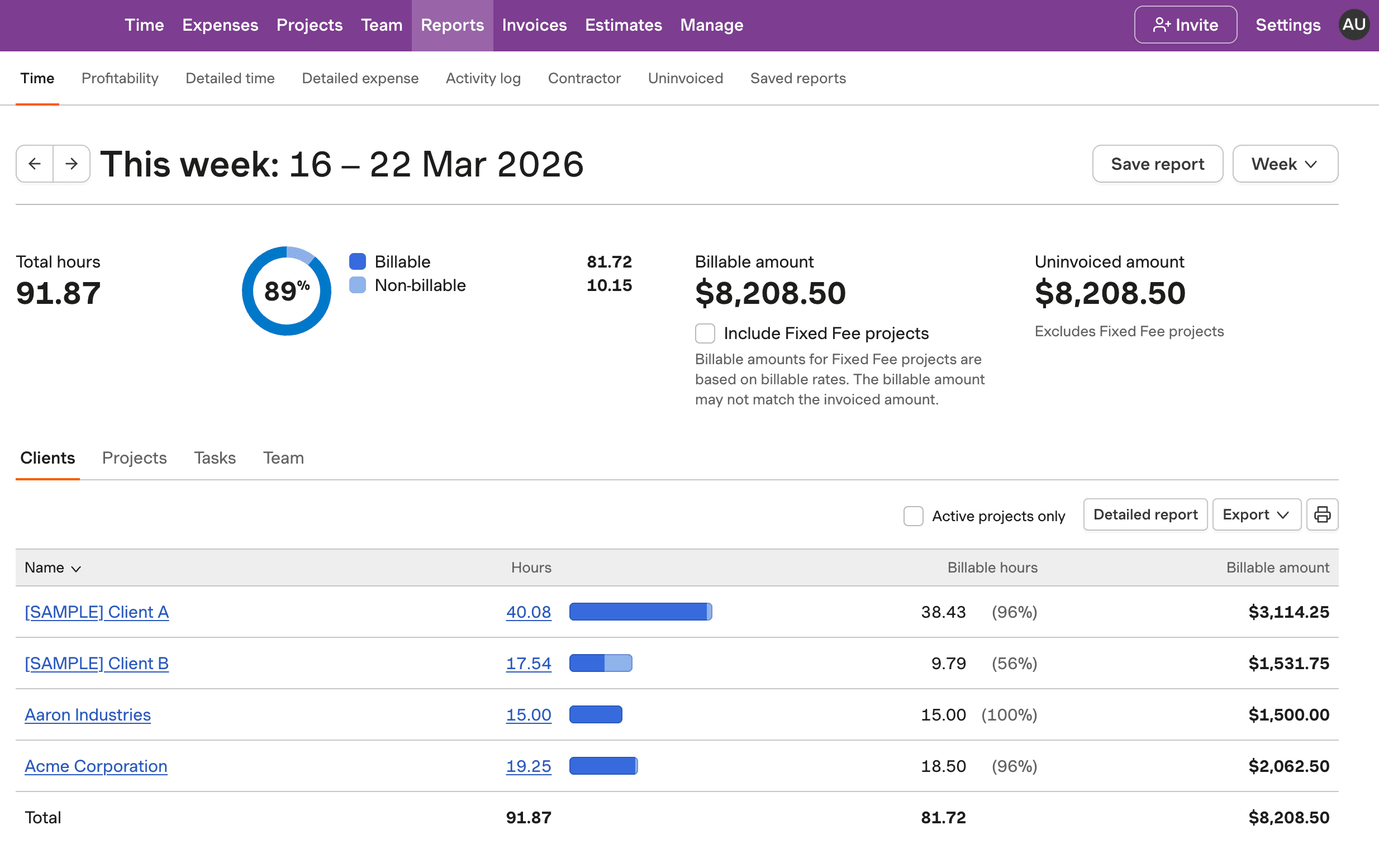
See how Harvest balances employee privacy with effective time tracking, ensuring transparency and compliance.

Screenshot of Harvest time tracking respecting employee privacy

Time Tracking and Employee Privacy FAQs

  • Yes, employee monitoring is generally legal in the U.S. with certain caveats. Federal laws like the ECPA allow monitoring for legitimate business purposes, but state laws may require notifying employees. Employers must navigate these regulations to ensure compliance.

  • To implement time tracking ethically, define the purpose, outline what will be monitored, and choose non-invasive methods. Ensure transparency by communicating policies and obtaining informed consent. Harvest helps by focusing on necessary data collection and clear communication.

  • Legal requirements include the FLSA's mandate for accurate record-keeping and state-specific laws requiring notification. Employers must comply with these laws to avoid legal risks. Harvest offers tools that align with these requirements while respecting privacy.

  • Excessive monitoring can damage morale and trust, leading to increased stress and turnover. 51% of monitored employees feel micromanaged. Harvest mitigates these impacts by avoiding invasive practices, promoting transparency, and fostering a positive work environment.

  • Generally, employers should not monitor personal devices unless for work purposes with explicit consent. Policies like Bring Your Own Device (BYOD) should be clear, and monitoring should be limited to necessary work-related data.

  • Harvest ensures compliance by focusing on non-invasive practices and necessary data collection. It supports transparency by clearly communicating monitoring policies and obtaining consent, aligning with legal standards while respecting employee privacy.

  • Invasive monitoring can result in legal challenges, high turnover, and decreased productivity. It may also damage company culture and employee mental health. Harvest addresses these risks by avoiding invasive practices and fostering transparency.