
Harvest
Time Tracking
Sign up free

Break Calculator for Maine

Harvest is your ally in navigating Maine's complex break laws, ensuring compliance with mandatory break requirements and exemptions.

Try Harvest Free

How many hours did you work this week?

Enter your clock-in and clock-out times for each day. The calculator handles breaks, overtime, and weekly totals automatically.

Day Clock In Clock Out Break Hours
Total hours this week 0h
Regular hours (≤40) 0h
Overtime hours 0h
Average hours/day 0h
Total break time 0h

Track time automatically with Harvest

Walk through the entire flow below. Start a timer, check your reports, and create a real invoice — all in three clicks.

Go ahead — start tracking!

One click and you're timing. Try it right here: start a timer, add an entry, edit the details. This is exactly how it feels in Harvest.

  • One-click timer from browser, desktop & mobile
  • Works inside Jira, Asana, Trello, GitHub & 50+ tools
  • Duration or start/end — your call
  • Day, week & calendar views to stay on top of it all
  • Friendly reminders so no hour gets left behind
Acme Corp
Website Redesign
Homepage layout revisions
1:24:09
Content Strategy
Blog calendar planning
1:30:00
SEO Audit
Technical audit report
0:45:00
Brand Guidelines
Color system documentation
2:15:00
Logo Concepts
Initial sketches round 1
1:00:00

Understanding Maine's Mandatory Break Law

Maine law mandates that employees who work six or more consecutive hours must be granted a 30-minute break. This "6-Hour Rule" ensures that workers have adequate rest, promoting health and productivity. The break is typically paid unless the employee is completely relieved of duties and chooses to use it as an unpaid meal break. Employers have the flexibility to schedule these breaks anytime after the first hour and before the last hour of the shift. This flexibility allows businesses to tailor breaks to operational needs while still maintaining compliance.

While the law is clear about the requirement for a 30-minute break, it does not mandate additional short rest periods. However, if an employer provides short breaks of 20 minutes or less, federal law requires them to be paid. This distinction is crucial for businesses to understand, as offering unpaid short breaks could lead to compliance issues.
Key Exceptions and Special Circumstances

There are some key exceptions to Maine's mandatory break law. Small businesses with three or fewer employees on duty are exempt from the 30-minute break requirement, provided they allow frequent shorter breaks. This exemption recognizes the unique challenges smaller businesses face in scheduling and staffing. Additionally, breaks can be suspended during emergencies where there is a threat to life, property, or public safety, allowing workers to prioritize urgent tasks.

Employers and employees can also agree to modify or waive the standard break requirement through written agreements or collective bargaining. This provision enables flexibility in industries with specific operational needs, such as healthcare or emergency services, where break schedules might require customization to maintain service levels.

Breaks for Specific Employee Groups

Maine's break laws apply uniformly to minors, who must also receive a 30-minute break for every six hours worked. In addition, minors have restricted work hours and require permits, adding another layer of compliance for employers. For nursing mothers, Maine law requires employers to provide reasonable break time and a private, non-bathroom space to express breast milk for up to three years after childbirth. This ensures that new mothers have the necessary accommodations to balance work and childcare responsibilities.

While short breaks are not mandated by state law, they fall under federal guidelines if provided. Employers offering these breaks need to ensure they are paid to comply with federal labor standards, thereby avoiding potential penalties.

Employer Compliance and Penalties

To comply with Maine's break laws, employers should implement several best practices. First, they must identify which employees are eligible for breaks and schedule them appropriately. Clearly communicating whether breaks are paid or unpaid is essential, particularly if an employee is expected to be fully relieved of duties. Written agreements should be documented if any waiver or modification of break requirements is in place.

Employers who fail to adhere to these laws may face penalties ranging from $100 to $500 per incident. Violations involving minors could result in significant fines, ranging from $250 to $50,000, along with potential back wages and legal fees. To prevent these outcomes, maintaining accurate records and training supervisors on the legal requirements is crucial.

Break Compliance with Harvest

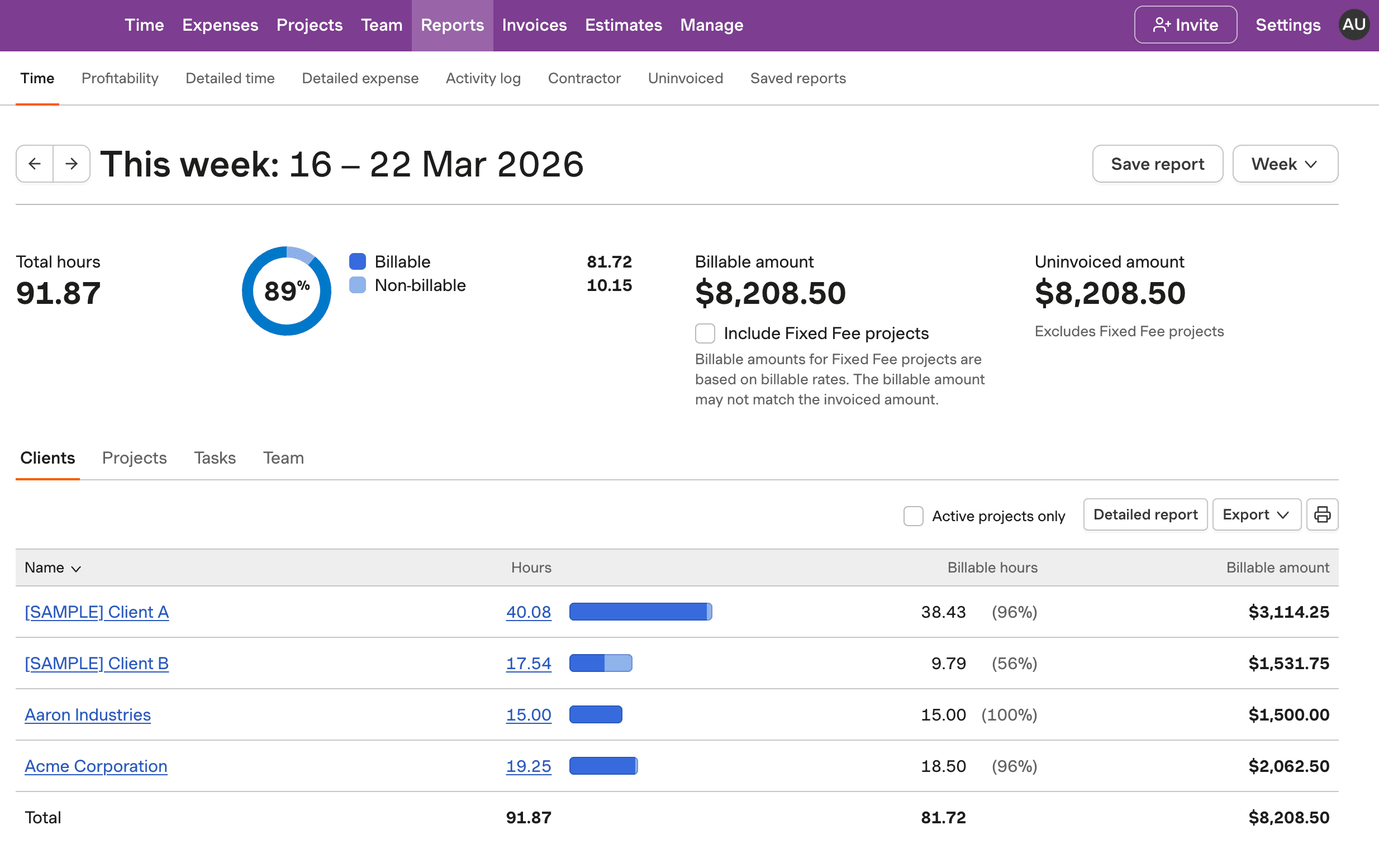
Explore how Harvest aids in navigating Maine's break laws, ensuring adherence to mandatory and exempted break requirements.

Maine break compliance guide screenshot for Harvest users.

Break Calculator for Maine FAQs

  • In Maine, employees must be given a 30-minute break if they work six or more consecutive hours. This break is typically paid unless the employee is fully relieved of duties and opts for an unpaid meal break.

  • Breaks are paid by default unless an employee is entirely relieved of duties and chooses to use it as an unpaid meal break. Employers must clearly communicate the status of the break to employees.

  • Unlike federal law, which does not mandate meal or rest breaks, Maine requires a 30-minute break for shifts over six hours. Short breaks under 20 minutes, if provided, must be paid according to federal law.

  • Maine law requires employers to provide reasonable unpaid break time or allow the use of paid break time for nursing mothers to express breast milk for up to three years after childbirth. A private, non-restroom space must be available.

  • Yes, businesses with three or fewer employees on duty at any one time are exempt from the 30-minute break requirement if they allow frequent shorter breaks throughout the workday.

  • Employers who violate Maine's break laws can face penalties ranging from $100 to $500 per incident. For minors, violations can result in fines up to $50,000, plus potential back wages and legal fees.

  • Yes, a 30-minute break is mandatory for any shift exceeding six hours. The break must occur after the first hour and before the last hour of the shift.