
Harvest
Time Tracking
Sign up free

Legal Billing Calculator in the Middle East

Struggling with legal billing complexities in the Middle East? Harvest simplifies time tracking and invoicing, ensuring transparent billing across regions.

Try Harvest Free

Will this project be profitable?

Estimate your project cost, set the right price, and know exactly how many hours your team can spend before margin disappears.

Total hours across all team members
$
Average rate across all roles on the project
15%
Scope creep is real. Most projects need 10-25% buffer to stay profitable.
Recommended project price $0
Base cost (before buffer) $0
Hours per person per week 0h
Weekly burn rate $0
Max hours before loss 0h

Track project hours with Harvest

Walk through the entire flow below. Start a timer, check your reports, and create a real invoice — all in three clicks.

Go ahead — start tracking!

One click and you're timing. Try it right here: start a timer, add an entry, edit the details. This is exactly how it feels in Harvest.

  • One-click timer from browser, desktop & mobile
  • Works inside Jira, Asana, Trello, GitHub & 50+ tools
  • Duration or start/end — your call
  • Day, week & calendar views to stay on top of it all
  • Friendly reminders so no hour gets left behind
Acme Corp
Website Redesign
Homepage layout revisions
1:24:09
Content Strategy
Blog calendar planning
1:30:00
SEO Audit
Technical audit report
0:45:00
Brand Guidelines
Color system documentation
2:15:00
Logo Concepts
Initial sketches round 1
1:00:00

Understanding Legal Fee Structures in the Middle East

Legal billing in the Middle East is shaped by a variety of fee structures, with rates varying significantly based on jurisdiction and legal expertise. In the UAE, hourly rates range from AED 500 to AED 5,000, influenced by factors such as lawyer seniority and case complexity. Junior lawyers typically charge AED 500-1,000 per hour, while senior partners command AED 2,000-5,000+. Fixed fees are common for routine tasks, such as AED 1,000-2,500 for drafting a Power of Attorney.

In Qatar, legal fees are similarly tiered, with international firm trainees earning QAR 15,000-22,000 monthly, whereas partners earn upwards of QAR 100,000. The Saudi Arabian legal market often bases judicial costs on a percentage of the dispute's value, capped at SAR 1,000,000. Understanding these structures helps clients anticipate costs more accurately and select the most appropriate billing model for their needs.
Navigating VAT and E-Invoicing Regulations

VAT and e-invoicing regulations significantly impact legal billing practices across the Middle East. The UAE imposes a 5% VAT on legal services, while Saudi Arabia enforces a 15% VAT. These taxes necessitate that law firms maintain diligent accounting practices to ensure compliance. E-invoicing in Saudi Arabia, mandatory since December 2021, requires electronic invoices with specific formats and features, including QR codes and digital signatures.

Understanding the distinction between reimbursements and disbursements is crucial for VAT implications. In the UAE, reimbursements are subject to VAT, while disbursements, payments made on behalf of clients, are not. Compliance with these regulations ensures that legal firms operate within legal frameworks while providing transparent billing practices to their clients.

Best Practices for Ethical and Transparent Legal Billing

Ensuring ethical and transparent billing practices is essential for law firms in the Middle East. Start with clear, itemized invoices that detail all services rendered and associated costs. Written agreements should outline payment terms and specify what expenses are covered. This practice ensures that clients are fully informed and can budget accordingly.

Accurate time tracking is also critical. Utilizing reliable software helps record billable hours effectively, preventing disputes and fostering trust. Regularly reviewing billing practices for compliance with local regulations and ethical standards further consolidates a firm's reputation for fairness and transparency.

Regional Nuances and Client Preferences

Legal billing in the Middle East must account for regional nuances and client preferences. In Qatar, the legal environment in the Qatar Financial Centre (QFC) offers higher salaries and demands due to its common law system, affecting billing strategies. Clients often prefer fixed fees to avoid the unpredictability of hourly billing, which can be perceived as less transparent.

Cultural factors and language also play crucial roles in client engagement and billing discussions. Tailoring communication and billing practices to each client's preferences can enhance satisfaction and foster long-term relationships. By understanding these nuances, law firms can better navigate the complexities of the regional legal market.

Streamline Legal Billing with Harvest

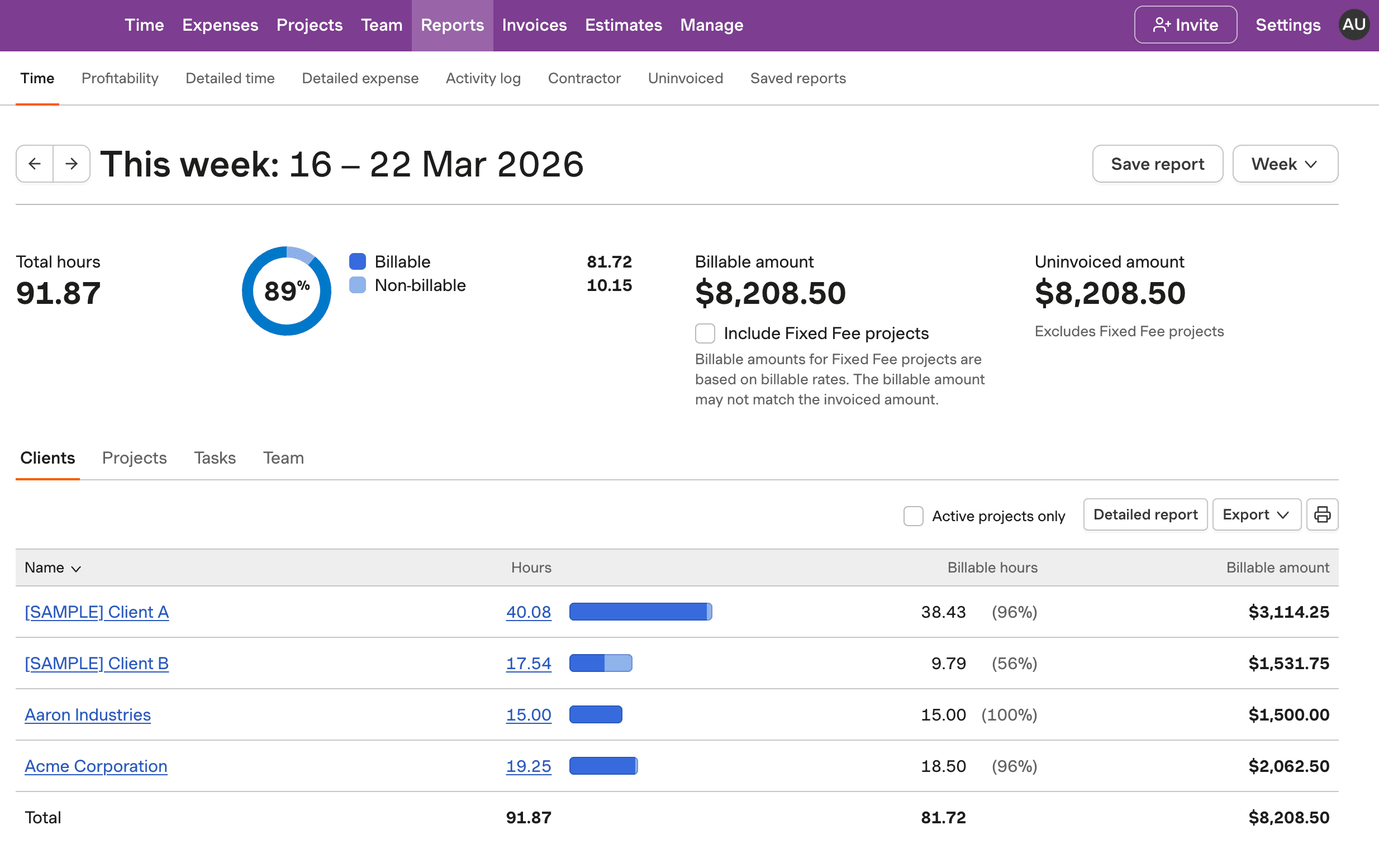
Explore how Harvest supports legal billing in the Middle East, offering tools for transparent invoicing and compliance with local regulations.

Harvest platform showcasing legal billing features in Middle East context

Legal Billing Calculator in the Middle East FAQs

  • Typical legal fees in the UAE range from AED 500 to AED 5,000 per hour, depending on the lawyer's experience and case complexity. Fixed fees for routine services, such as drafting contracts, generally range from AED 1,000 to AED 5,000.

  • In Saudi Arabia, a 15% VAT applies to legal services, requiring law firms to incorporate this into their billing. Compliance with VAT regulations is crucial to avoid penalties and ensure transparent client billing.

  • E-invoicing is mandatory in Saudi Arabia, requiring electronic invoices with specific features like QR codes and digital signatures. This ensures standardized billing and compliance with ZATCA regulations.

  • To ensure transparent billing, law firms should provide detailed, itemized invoices and clear written agreements covering payment terms. Regular audits of billing practices for compliance with local regulations are also essential.

  • In Qatar, legal billing often involves hourly rates, with junior lawyers earning QAR 15,000-22,000 monthly. Fixed fees and retainers are also common, catering to client preferences for budget certainty.

  • Harvest provides tools for managing fixed fee projects and ensuring billing transparency, though it does not specifically address unique legal billing requirements in the Middle East. It offers detailed reporting and invoice management to support transparency.

  • Harvest offers one-click start/stop timers and manual time entry, allowing precise tracking of billable and non-billable hours. This ensures accurate billing and time management for legal professionals.