
Harvest
Time Tracking
Sign up free

Utilization Rate Calculator in South Korea

Harvest provides a robust utilization rate calculator tailored for South Korean businesses, helping teams optimize resource use and compliance.

Try Harvest Free

How much revenue is your team leaving on the table?

Most agencies run at 55-60% utilization. Even a small improvement means significant revenue. See what closing the gap looks like for your team.

Number of people who track billable time
$
Blended rate across roles (junior, senior, lead)
55%
Percentage of total hours that are billable. Industry average is 55-60%.
75%
A realistic target for service businesses is 70-80%.
Monthly revenue gap $0
Revenue at current utilization $0/mo
Revenue at target utilization $0/mo
Extra billable hours needed per person/day 0h
Annual revenue opportunity $0

Start tracking team utilization

Walk through the entire flow below. Start a timer, check your reports, and create a real invoice — all in three clicks.

Go ahead — start tracking!

One click and you're timing. Try it right here: start a timer, add an entry, edit the details. This is exactly how it feels in Harvest.

  • One-click timer from browser, desktop & mobile
  • Works inside Jira, Asana, Trello, GitHub & 50+ tools
  • Duration or start/end — your call
  • Day, week & calendar views to stay on top of it all
  • Friendly reminders so no hour gets left behind
Acme Corp
Website Redesign
Homepage layout revisions
1:24:09
Content Strategy
Blog calendar planning
1:30:00
SEO Audit
Technical audit report
0:45:00
Brand Guidelines
Color system documentation
2:15:00
Logo Concepts
Initial sketches round 1
1:00:00

Understanding Utilization Rates in South Korea

Utilization rates are critical metrics for businesses across various industries in South Korea, providing insights into how effectively resources such as labor and equipment are used. In January 2026, South Korea's manufacturing capacity utilization decreased to 104.70 points from 105.70 points in December 2025, illustrating fluctuations that impact operational efficiency. The manufacturing sector, a significant part of the economy, experienced an average capacity utilization rate of 72.8% in 2025. This slight increase from the previous year highlights the ongoing efforts to optimize production processes amidst economic changes.

For businesses in South Korea, understanding utilization rates means recognizing these variations and adjusting strategies accordingly. The labor force participation rate, for instance, dropped to 63.6% in January 2026, reflecting broader economic conditions such as employment trends and workforce availability. By closely monitoring these rates, companies can make informed decisions to improve productivity and capitalize on emerging opportunities in the dynamic South Korean market.
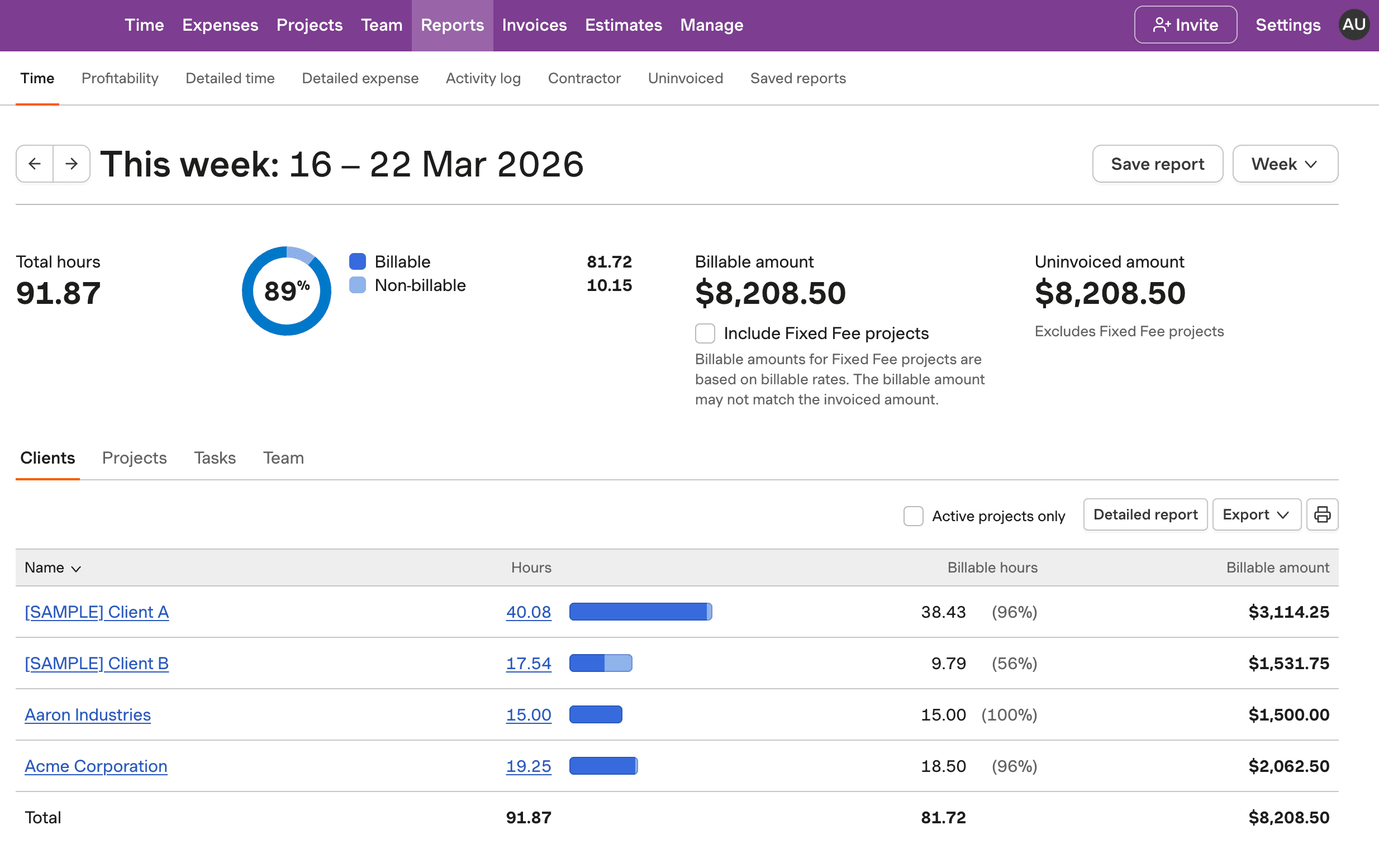
Calculating Utilization Rates for South Korean Industries

Calculating utilization rates involves different methodologies depending on the industry and resource type. In South Korea, the formula can vary, but typically it measures the ratio of actual output to potential output. For example, the manufacturing capacity utilization is calculated by comparing actual production levels to the maximum possible output, adjusted for economic indicators like the 72.4% average capacity utilization rate in June 2025.

Labor utilization, on the other hand, considers factors such as the labor force participation rate, which was 63.6% in January 2026. This metric is essential for understanding workforce engagement and planning for business growth. When calculating these rates, it's crucial to factor in industry-specific considerations, such as the rapid technological adoption by small businesses, which increased by 9.2 percentage points in 2025, to ensure that the calculations reflect real-world conditions.

Impact of South Korean Regulations on Utilization

Regulatory frameworks in South Korea play a significant role in shaping utilization rates across industries. For instance, the energy sector recently saw a lift of the 80% cap on coal-fired power generation, which significantly influences utilization calculations. Similarly, the planned increase in the utilization rate of nuclear power plants from the high 60% range to 80% reflects policy shifts that affect operational strategies.

In the healthcare sector, utilization is monitored through systems like the Healthcare Utilization Monitoring System (HUMS), which tracks trends by categorizing healthcare costs and visit days. These regulatory insights are crucial for businesses aiming to align their utilization strategies with national policies, ensuring compliance and optimizing resource use. Understanding these regulations helps businesses anticipate changes and adjust their operations to maintain competitive advantage in South Korea's dynamic economic landscape.

Leveraging Digital Tools for Utilization Optimization

As businesses in South Korea increasingly adopt digital technologies, the optimization of utilization rates becomes more achievable. In 2025, the proportion of small businesses utilizing digital and smart technologies rose to 27.2%, an increase of 9.2 percentage points. This trend underscores the importance of digital transformation in enhancing operational efficiency and resource utilization.

Digital tools can streamline processes and provide real-time data insights, allowing businesses to respond quickly to market demands and optimize their operations. For instance, tracking systems integrated with business operations can enhance productivity by providing detailed analytics on resource usage. By leveraging these technologies, companies can improve their utilization rates, thereby boosting productivity and gaining a competitive edge in South Korea's fast-paced business environment.

Utilization Rate Calculator by Harvest

Discover how Harvest's calculator helps South Korean businesses optimize utilization rates, aligning with local economic conditions.

Harvest utilization rate calculator tailored for South Korea

Utilization Rate Calculator in South Korea FAQs

  • A utilization rate calculator measures how efficiently resources like labor or equipment are being used. It compares actual output with potential output, helping businesses optimize operations.

  • Utilization rates in South Korea are typically calculated by dividing actual output by potential output, adjusted for local economic factors. For instance, manufacturing capacity utilization averaged 72.8% in 2025.

  • Utilization rates are crucial for optimizing resource use, reducing costs, and improving productivity. They provide insights into operational efficiency, helping businesses adapt to economic conditions.

  • Harvest offers tools to calculate and analyze utilization rates, providing insights into resource use and helping businesses align with South Korean economic conditions and regulations.

  • Industries such as manufacturing, energy, and healthcare benefit significantly from utilization rate calculators, as they provide critical insights into optimizing operational efficiency and resource management.

  • Common challenges include data accuracy and adjusting for economic variables. Harvest addresses these by offering detailed analytics and tracking to enhance accuracy and adaptability.

  • South Korean labor laws, including regulations on working hours and participation rates, impact utilization calculations by dictating how labor resources are deployed and managed.