
Harvest
Expenses
Sign up

Track Mileage for Taxes

Harvest helps businesses track mileage expenses manually, addressing the risk of underreporting which can lead to thousands in lost tax deductions.

  • Attach receipts to projects & tasks
  • Turn tracked expenses into client invoices
  • Free 30-day trial, no credit card needed

or drag & drop • Images and PDFs, max 10 MB

Why Accurate Mileage Tracking Matters for Taxes

Accurate mileage tracking is crucial for maximizing tax deductions and ensuring compliance with IRS regulations. The IRS standard mileage rate has increased to 70 cents per mile in 2025 and will rise to 72.5 cents per mile in 2026, reflecting the growing costs of vehicle operation. However, many small business owners who track mileage manually often underreport by 15-20%, potentially losing thousands in tax deductions each year. Automated mileage tracking applications can save drivers an average of 42 hours annually, reducing manual errors and helping to capture all deductible miles.

Businesses that fail to maintain accurate mileage logs risk disallowed deductions and potential audits. The IRS requires detailed records including the date, starting and ending points, and purpose of each trip. Despite these requirements, a significant percentage of employees overclaim on mileage, causing financial leakage. By shifting to digital mileage tracking, businesses can enhance operational efficiency and reduce compliance risks.
Tools and Solutions for Tracking Mileage

Tracking mileage effectively requires the right tools that can ensure accuracy and compliance. While some may rely on traditional paper logs or spreadsheets, these methods are prone to errors and inconsistencies. Automated solutions have become the standard, offering GPS-based tracking that minimizes human error and provides seamless record-keeping. These applications not only save time but also provide audit-ready documentation.

Harvest provides a practical solution for businesses looking to simplify mileage tracking. With its mobile apps, users can manually track expenses, including mileage, directly from their devices. Although Harvest does not offer specific IRS-compliant mileage log features, it allows for basic project-based expense tracking, making it a viable option for businesses that need to maintain accurate records for tax purposes.

Meeting IRS Mileage Log Requirements

To claim mileage deductions, taxpayers must comply with IRS requirements for mileage logs. These logs should include comprehensive details such as the date, starting and ending locations, odometer readings, and the business purpose of each trip. The IRS allows various formats for these records, including app-generated reports, provided they are thorough and consistent. Maintaining these logs is essential as failure to do so can result in disallowed deductions and potential audits.

While Harvest does not provide specific IRS-compliant mileage log features, it offers the ability to manually enter mileage as an expense. This flexibility allows businesses to adapt Harvest’s tracking capabilities to meet their basic record-keeping needs, ensuring that they can still track and categorize business mileage effectively.

Maximizing Tax Deductions with Effective Mileage Tracking

To maximize tax deductions, it is important to accurately track every business-related mile. Taxpayers can choose between using the standard mileage rate or the actual expense method for deductions. However, meticulous record-keeping is crucial regardless of the method chosen. Failing to record shorter business trips or claiming 100% business usage without proper documentation can trigger IRS audits.

Integrating mileage tracking with broader expense management systems can streamline workflows and provide centralized visibility into travel expenses. Harvest facilitates this integration by allowing users to track mileage expenses manually alongside other project-based costs. This feature helps businesses maintain thorough records, which are critical for proactive tax planning and compliance.

Track Mileage for Taxes with Harvest

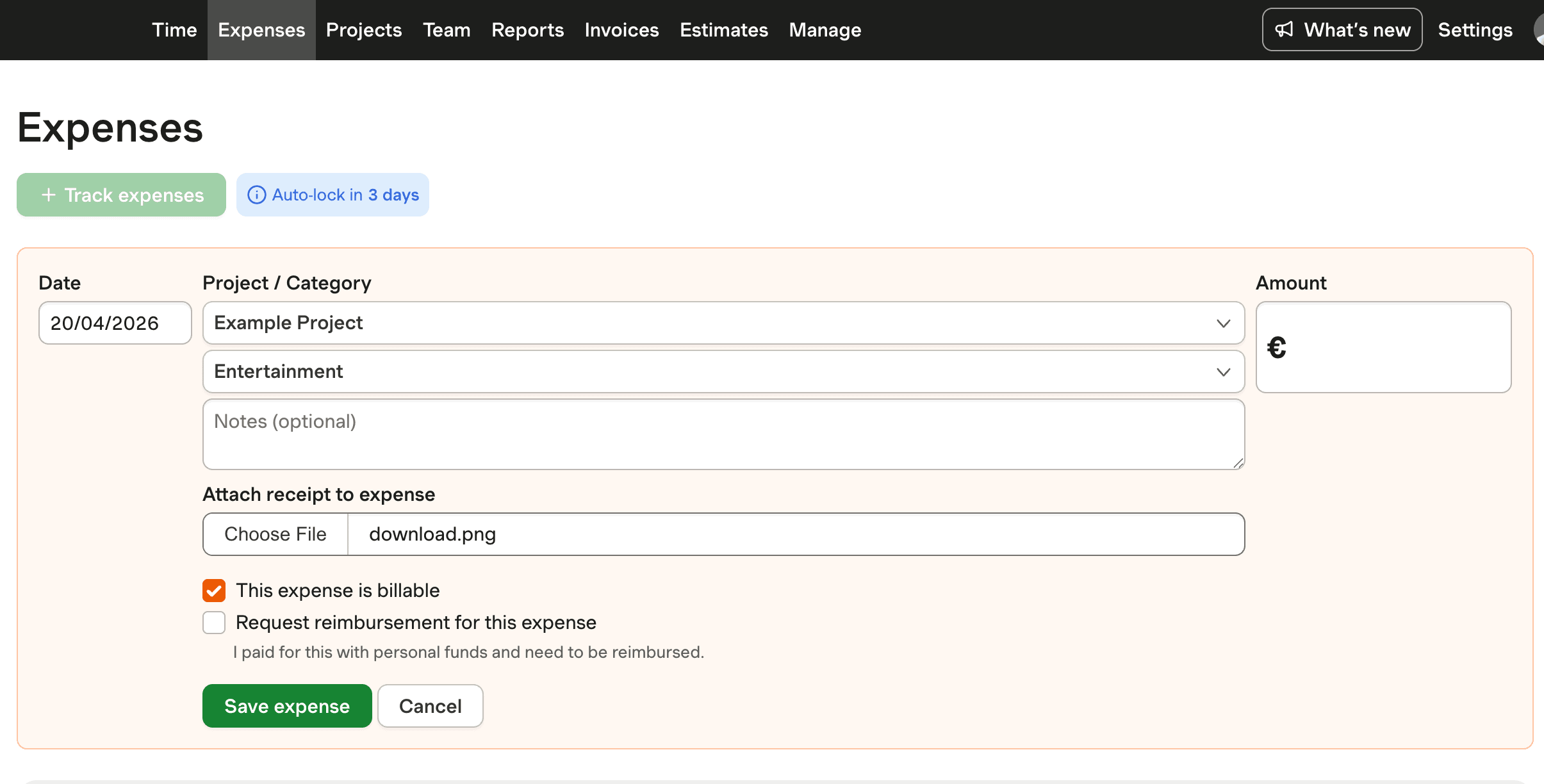
Harvest lets you manually track mileage expenses, helping ensure compliance with tax deduction requirements.

Harvest mileage tracking interface for tax deductions

Track Mileage for Taxes FAQs

  • The IRS requires mileage logs to include the date, starting and ending points, odometer readings, and the business purpose of each trip. These logs must be kept for at least three years, though many recommend seven years for audit protection.

  • Automated mileage tracking apps can save businesses substantial time by eliminating manual entry errors and providing accurate, audit-ready records. They can save drivers an average of 42 hours annually, allowing for more focus on strategic tasks.

  • Yes, Harvest allows you to manually track mileage expenses using its mobile apps. While it doesn't offer specific IRS-compliant mileage logs, you can still record mileage alongside other project-based costs.

  • A comprehensive mileage log should include the date, starting and ending locations, odometer readings, total miles driven, and the business purpose of each trip. Keeping receipts for tolls and parking fees is also recommended.

  • Accurate mileage tracking is crucial for maximizing tax deductions and ensuring compliance. Many small business owners underreport mileage by 15-20%, which can result in lost deductions worth thousands of dollars annually.

  • Harvest allows businesses to track various expenses, including mileage, manually. This feature helps maintain accurate records for project-based expenses, aiding in compliance and financial planning.

  • Failure to maintain accurate mileage logs can lead to disallowed deductions, significant fines, and potential audits. Inaccurate logs can result in reimbursed payments becoming taxable.