
Harvest
Expenses
Sign up

Business Reimbursement

Harvest makes managing reimbursable expenses straightforward by allowing businesses to track and categorize expenses efficiently.

EXPENSE REPORT DRAFT

Drop your receipts here or click to upload

Images and PDFs (max 10 MB each)

Date
Category
Merchant
Description
Amount
Total
$0.00

Customise report

Appearance

Show report title

Report settings

Understanding Business Reimbursement

Business reimbursement involves companies repaying employees for work-related expenses they incurred out of pocket. This process is crucial for maintaining financial control and ensuring employee satisfaction. However, manual reimbursement methods can be fraught with challenges, such as a 10-15% inflation in reported mileage and wasted time. Companies spend an average of 330 hours annually processing expense reports manually, making it clear that automation is key to efficiency. By switching to automated systems, businesses reduce processing times by 67% and cut errors by 80%.

It's essential to establish clear reimbursement policies that define what expenses are reimbursable. For instance, the IRS mandates that expenses must have a clear business purpose and be documented within 60 days to qualify as tax-free reimbursements. Harvest simplifies this by allowing businesses to create custom expense categories for accurate financial reporting, ensuring compliance with such guidelines.
Creating Effective Reimbursement Policies

Developing a comprehensive reimbursement policy is fundamental to a streamlined expense process. A well-structured policy should explicitly define reimbursable expenses, outline submission procedures, and set deadlines. Common mistakes, such as relying on manual reporting, can lead to significant errors—nearly one in five expense reports contains mistakes, costing companies an average of $52 to correct each one.

While Harvest does not provide specific reimbursement policies, it aids in categorizing expenses, allowing businesses to tailor their expense tracking to their policies. To avoid errors, companies should digitize documentation and utilize tools like Harvest for managing and categorizing expenses efficiently. This not only reduces the risk of policy violations but also ensures accurate financial reporting.

The Role of Automation in Expense Management

Automation is rapidly becoming a cornerstone of effective expense management. With 87% of CFOs prioritizing expense automation by 2025, businesses are recognizing the benefits of AI-driven tools. Companies employing AI for expense tracking save an average of $75 per report and can reduce manual task hours by up to 85 per month. These systems help detect non-compliant expenses and duplicate claims, significantly enhancing compliance.

Harvest supports automation by allowing seamless integration with accounting systems like QuickBooks and Xero, ensuring real-time financial insights and minimizing manual data entry. This integration not only streamlines the reimbursement process but also enables businesses to monitor expenses and prevent fraud proactively.

Managing Remote Work Expense Reimbursements

With the rise of remote work, managing expenses related to home office setups has become essential. In California, for example, employers are legally required to reimburse necessary remote work expenses. Harvest facilitates this by allowing businesses to create custom expense categories tailored to track remote work costs, ensuring compliance with regional laws.

Although Harvest does not specify policies for remote work expenses, it provides the tools necessary to categorize and manage these expenses efficiently. Businesses can leverage Harvest's capabilities to ensure all necessary expenses are accounted for, reducing the risk of non-compliance and ensuring employee satisfaction.

Streamline Business Reimbursement with Harvest

See how Harvest helps you track and categorize reimbursable expenses efficiently, ensuring accurate financial reporting.

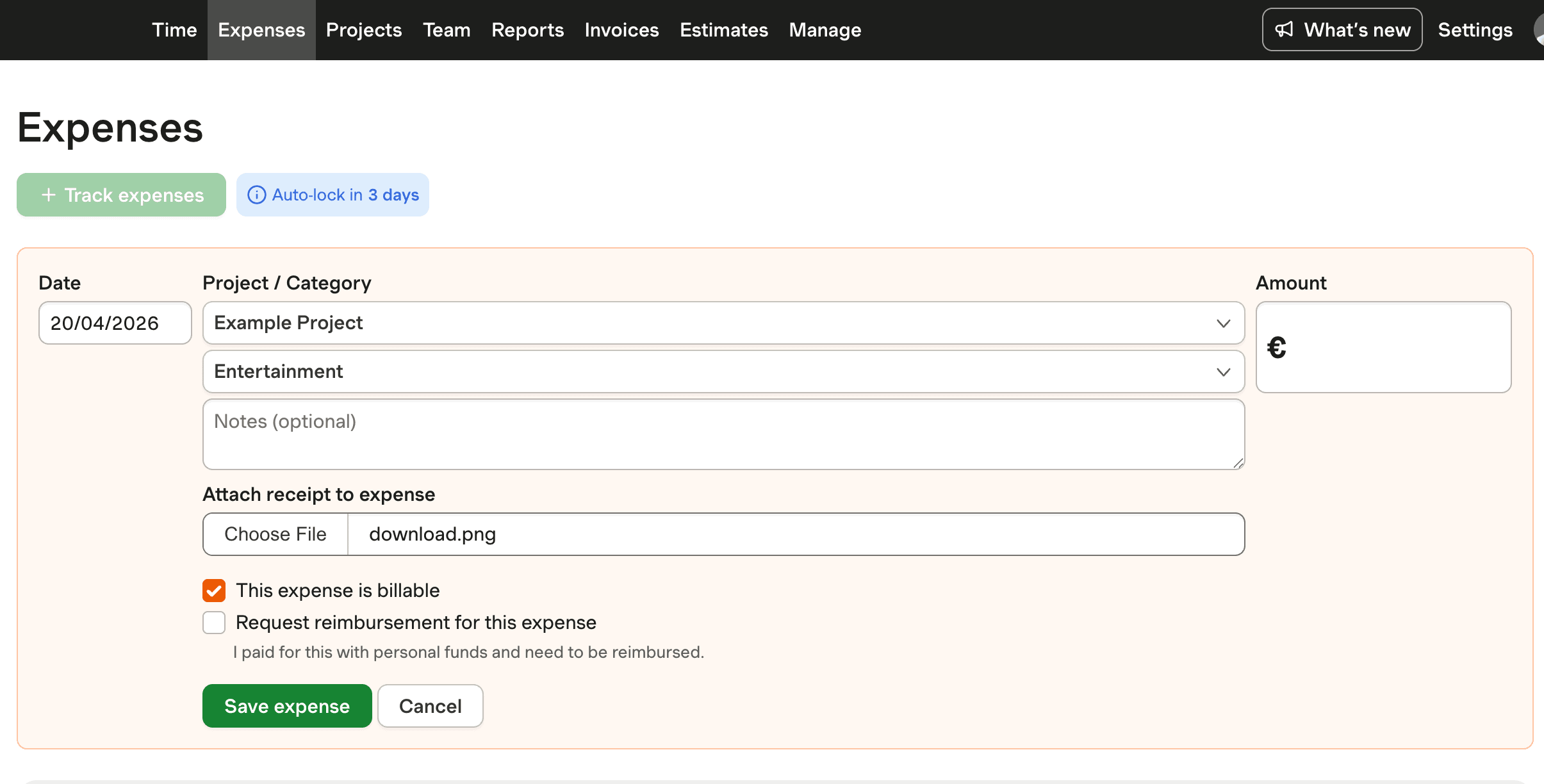
Harvest dashboard showing business reimbursement tracking features.

Business Reimbursement FAQs

  • Reimbursable expenses typically include costs incurred while performing work-related duties, such as travel, meals, and office supplies. Each company should define these in their reimbursement policy to avoid misunderstandings.

  • Businesses can improve the reimbursement process by implementing automated expense management systems, which reduce errors and processing times by up to 67%. Using tools like Harvest for categorization can also enhance accuracy.

  • Automation reduces manual effort, minimizes errors, and enhances compliance. Companies using automated systems save an average of $75 per expense report and cut manual processing times significantly.

  • Harvest allows businesses to create and manage custom expense categories, helping ensure expenses are accurately tracked and reported, which is crucial for compliance and financial insights.

  • Employees must provide receipts or invoices to substantiate claims. While Harvest supports uploading receipt images, companies should define specific documentation requirements in their policies.

  • Companies should establish clear policies for remote work expenses. Harvest allows custom category creation to track these expenses, ensuring compliance with legal requirements like those in California.

  • Common mistakes include manual reporting and vague policy language. These can lead to errors and compliance issues. Harvest helps mitigate these by offering structured expense tracking and categorization tools.