
Harvest
Expenses
Sign up

Expense Management for Energy Sector

Harvest provides a straightforward solution for tracking project expenses in the energy sector, ideal for managing budgets over long project lifecycles.

EXPENSE REPORT DRAFT

Drop your receipts here or click to upload

Images and PDFs (max 10 MB each)

Date
Category
Merchant
Description
Amount
Total
$0.00

Customise report

Appearance

Show report title

Report settings

Challenges of Expense Management in the Energy Sector

The energy sector faces unique challenges in expense management due to its complex project lifecycles, stringent regulatory requirements, and extended field operations. Managing expenses efficiently is crucial for maintaining financial health and strategic resource allocation. A significant 72% of energy and utility companies still rely on manual processes for travel and expense management, facing inefficiencies and high costs—up to $58 per manual expense report. These manual systems often lead to a 5% revenue loss due to fraud, as reported by the Association of Certified Fraud Examiners.

Moreover, regulatory compliance adds another layer of complexity. Missing receipt documentation can lead to significant audit risks, while non-compliance with tax laws can result in substantial penalties. The energy sector must adhere to stringent regulatory requirements like those from the Federal Energy Regulatory Commission (FERC), which demands meticulous expense documentation. Companies struggle with these challenges while also managing international payments and currency risks in global projects.
Harnessing Automation for Efficient Expense Management

Automation offers a solution to the inefficiencies plaguing expense management in the energy sector. By automating processes, companies can reduce the cost of expense report processing by nearly 70% and cut reimbursement cycles in half, significantly improving cash flow management. Automation also reduces travel booking time by 54% and accelerates expense report processing by 43%. These gains translate into substantial productivity improvements across operations.

While Harvest does not offer automated reconciliation processes or direct compliance automation, it provides a robust platform for tracking expenses over complex project lifecycles. By allowing expenses to be included in project budgets, which can span multiple years, Harvest helps manage project-specific financial requirements effectively. This capability is invaluable for energy companies handling long-term projects with fluctuating expenses and resource needs.

Best Practices for Expense Management in Energy Projects

Implementing best practices in expense management is critical for energy companies aiming to streamline operations and enhance financial oversight. One effective strategy is integrating expense management with Enterprise Resource Planning (ERP) systems, which eliminates manual data entry and improves accuracy. This integration provides real-time visibility into spending patterns, aiding compliance and decision-making.

Energy companies should also establish clear and detailed expense policies, including travel rules, spending limits, and approval processes. This clarity reduces errors such as duplicate expenses, lost receipts, and misclassified transactions. Conducting regular expense audits can further refine these policies, ensuring they align with the latest industry standards and regulatory changes. Harvest, with its project-focused expense tracking, supports these best practices by providing a customizable platform that aligns with specific project needs.

Improving Compliance and Financial Oversight with Harvest

Effective expense management in the energy sector requires tools that support compliance and financial oversight. Harvest addresses these needs by offering a straightforward solution for tracking project expenses. Although it does not automate compliance for energy regulations, Harvest allows for manual expense tracking that can be customized with categories to manage project-specific requirements. This flexibility is crucial for maintaining accurate records and preventing compliance issues.

Harvest’s support for multiple currencies at the client level also aids companies operating internationally, although it does not handle currency conversions or foreign exchange risks. By focusing on accurate expense entry and categorization, Harvest helps energy companies maintain control over their financial data, mitigate fraud risks, and ensure adherence to regulatory standards through detailed documentation and reporting.

Expense Management for Energy Sector with Harvest

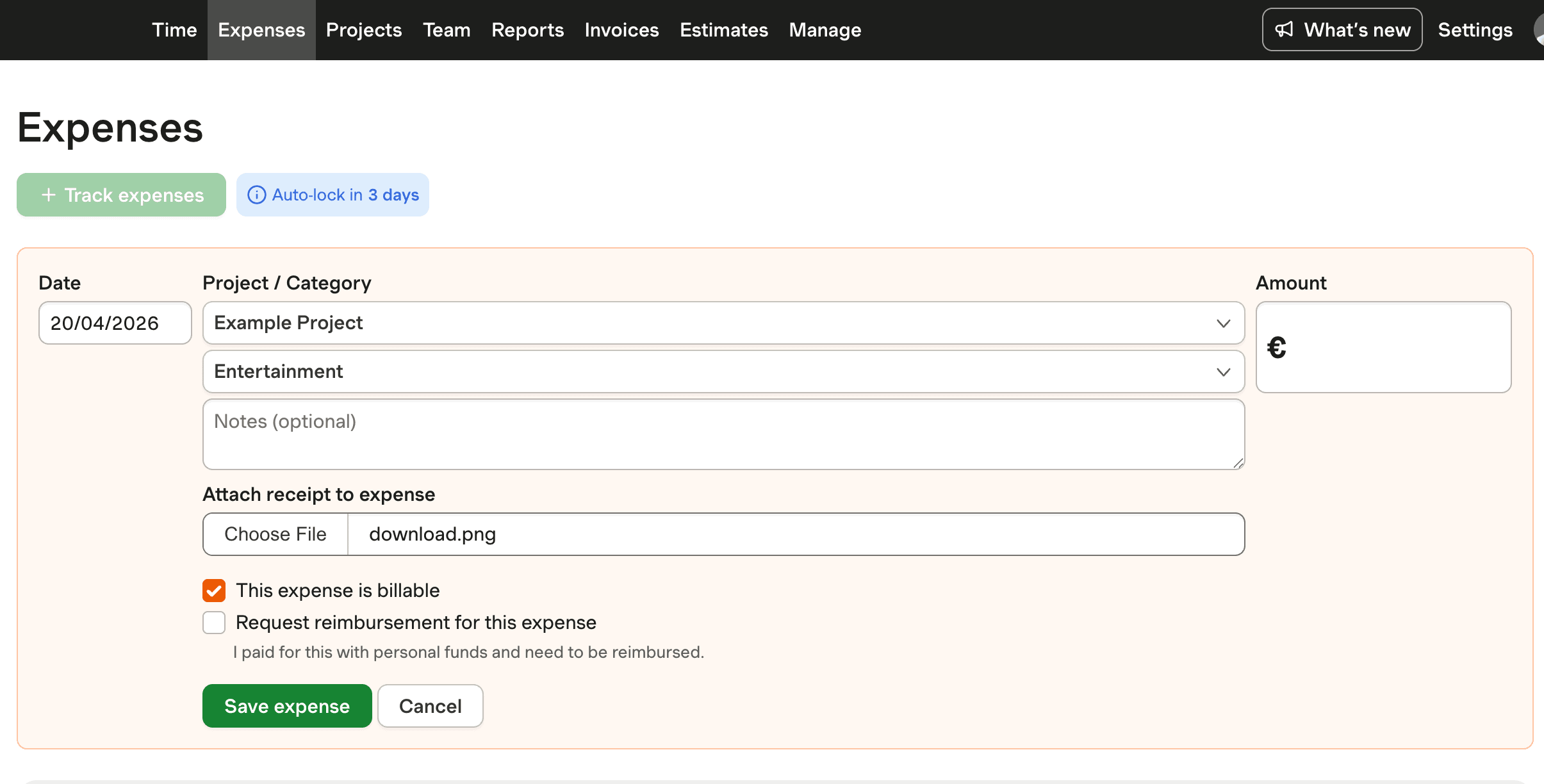
See how Harvest tracks project expenses in the energy sector, managing budgets efficiently over complex lifecycles with customizable tracking.

Harvest dashboard showing expense management features for energy projects.

Expense Management for Energy Sector FAQs

  • Energy companies face challenges such as managing dispersed field teams, ensuring compliance with stringent regulations, and handling long project lifecycles. Manual processes can result in inefficiencies and increased costs, with up to $58 per manual expense report and an estimated 5% revenue loss due to fraud.

  • Automation can significantly reduce the costs and time associated with expense management. It can cut expense report processing costs by nearly 70%, reduce reimbursement cycles by 50%, and improve productivity by accelerating travel bookings and report processing times.

  • While Harvest does not automate compliance for energy regulations, it provides manual expense tracking that can be customized with categories to help manage project-specific compliance requirements. This supports detailed documentation needed for regulatory adherence.

  • Harvest supports multiple currencies at the client level, aiding companies with international operations. However, it does not handle currency conversions or foreign exchange risks directly.

  • Best practices include integrating expense management with ERP systems for real-time data sharing, establishing clear expense policies, and conducting regular audits. These strategies help reduce errors, improve compliance, and provide visibility into spending patterns.

  • Harvest allows expenses to be included in project budgets that span multiple years, providing a comprehensive view of financials over long project lifecycles. This is crucial for managing the complex budgeting needs of energy projects.

  • Accurate expense tracking is vital for maintaining compliance with regulations, preventing fraud, and ensuring financial health. It helps companies avoid audit risks and penalties, and supports strategic decision-making with reliable financial data.