
Harvest
Expenses
Sign up

Expense Report for Energy Sector

Harvest offers project-based expense tracking, perfect for the energy sector's complex financial reporting needs. Simplify your expense management with Harvest.

EXPENSE REPORT DRAFT

Drop your receipts here or click to upload

Images and PDFs (max 10 MB each)

Date
Category
Merchant
Description
Amount
Total
$0.00

Customise report

Appearance

Show report title

Report settings

Challenges of Expense Reporting in the Energy Sector

The energy sector faces significant challenges in managing expenses due to its complex operations and regulatory requirements. With 72% of companies still using manual processes, there's a critical need for digital transformation to improve efficiency and reduce costs. This reliance on outdated methods can lead to operational inefficiencies and increased error rates, as manual entry often results in inaccuracies. Moreover, compliance with regulations such as the Federal Energy Regulatory Commission (FERC) and EU Transparency Directives adds layers of complexity to expense management.

Implementing automation can reduce these burdens, leading to a 27% time savings and a 20% decrease in error rates. Harvest, with its project-based expense tracking, offers a streamlined solution for managing expenses within complex project lifecycles. While it does not provide advanced compliance features, it facilitates manual tracking and reporting by project, helping companies maintain oversight over their financial operations.
The Benefits of Digital Transformation in Expense Management

Digital transformation in the energy sector is not just beneficial; it is essential. Companies are projected to invest $64 billion in digital initiatives by 2025, with a focus on enhancing operational efficiency and meeting evolving regulatory demands. Automation within expense reporting can lead to significant cost savings, as demonstrated by companies that have seen a 30% reduction in energy consumption through integrated systems.

Harvest supports the journey towards digitalization by offering simple, project-based expense tracking that integrates seamlessly into existing workflows. Although it does not automate receipt collection, it allows for manual uploads via mobile apps, providing a practical step towards modernizing expense management in the energy sector.

Strategies for Optimizing Expense Reporting in Energy Projects

For energy projects, optimizing expense reporting is crucial for maintaining financial health and compliance. Effective strategies include integrating expense management with ERP systems to ensure seamless data transfer and real-time budget visibility. This integration reduces manual re-entry errors and supports complex financial reporting needs.

Harvest's ability to track multi-year expenses by project makes it an ideal tool for managing the intricate financial landscapes of energy projects. While it does not manage foreign exchange risks or provide real-time visibility across multiple entities, its project-based focus ensures that expenses are accurately tracked and allocated, supporting better decision-making.

Harvest for Energy Sector Expenses

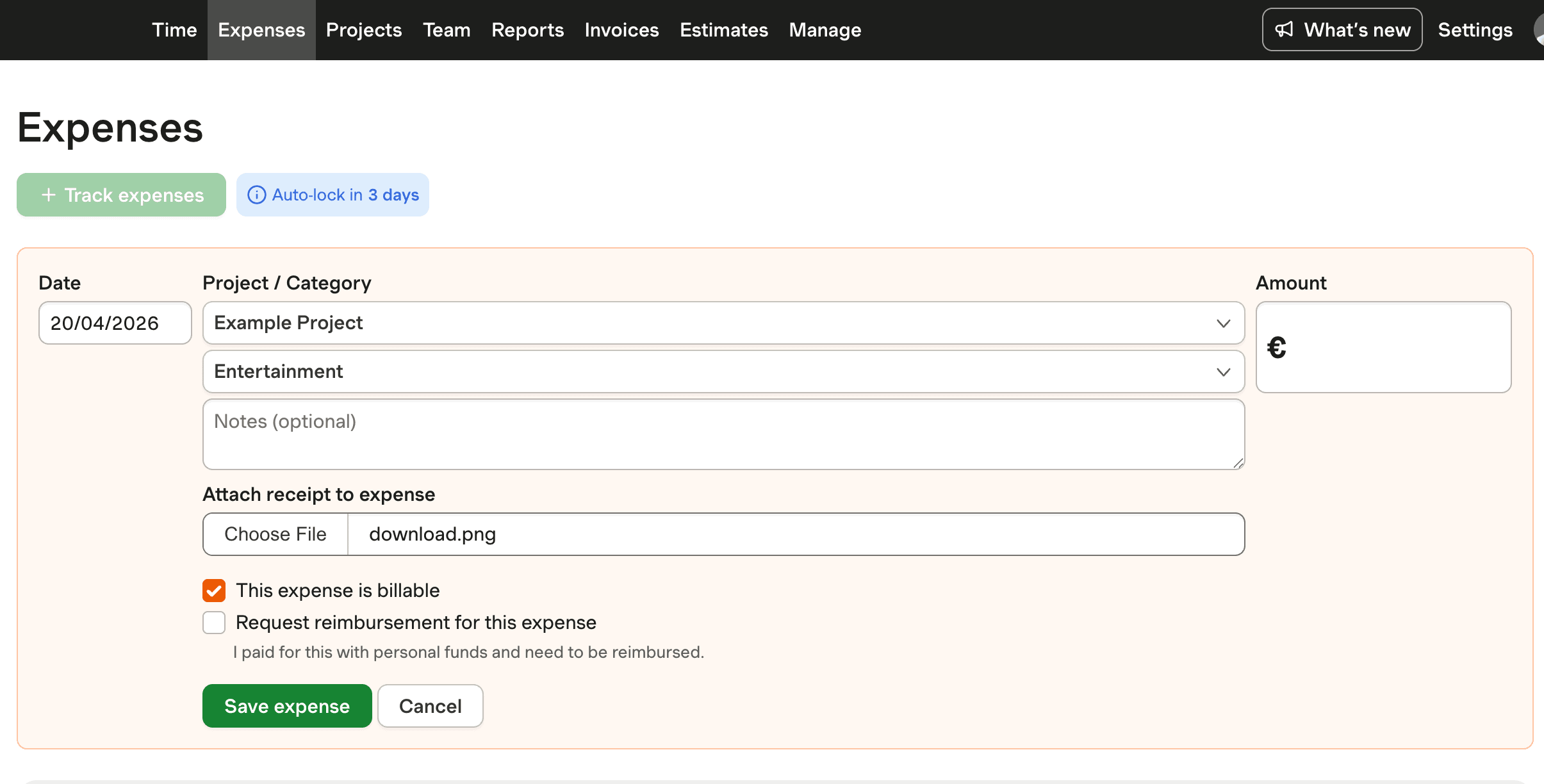
See how Harvest tracks energy project expenses efficiently, aiding in compliance and financial management.

Harvest expense tracking for energy sector projects

Expense Report for Energy Sector FAQs

  • The energy sector faces unique challenges in expense reporting due to its complex operations and regulatory environment. Manual processes are still prevalent, leading to inefficiencies and errors. Compliance with regulations such as FERC and EU directives adds further complexity, requiring precise tracking and reporting systems.

  • Automation can significantly enhance efficiency in the energy sector by reducing manual entry errors and saving time. Companies implementing automated systems have reported up to 27% time savings and a 20% decrease in error rates, which are critical for maintaining compliance and operational efficiency.

  • Digital transformation is pivotal for modernizing expense management in the energy sector. With a projected $64 billion investment in digital initiatives by 2025, companies aim to streamline operations, improve compliance, and reduce costs through automation and advanced data analytics.

  • Harvest offers project-based expense tracking, ideal for managing complex financial structures in energy projects. It allows for manual receipt uploads and integrates into existing workflows, providing a practical solution for tracking expenses by project without advanced compliance features.

  • Harvest integrates well with other business processes, allowing for seamless data transfer and project budgeting. While it does not offer direct ERP integration, its focus on project-based tracking supports effective financial management in complex environments.

  • Real-time visibility is crucial for identifying inefficiencies and opportunities in energy consumption. While Harvest offers project-based tracking, it does not provide real-time visibility across multiple entities, but it helps maintain control over individual project expenses.