
Harvest
Expenses
Sign up

Expense Management for Transportation

Transportation businesses face high operating costs, but Harvest offers a project-based expense tracker to manage transportation-related expenses effectively.

EXPENSE REPORT DRAFT

Drop your receipts here or click to upload

Images and PDFs (max 10 MB each)

Date
Category
Merchant
Description
Amount
Total
$0.00

Customise report

Appearance

Show report title

Report settings

Challenges in Transportation Expense Management

Transportation companies face unique challenges in managing expenses due to the industry's dynamic nature and extensive regulatory requirements. With U.S. households spending an average of $13,318 on transportation in 2024, managing these costs effectively is crucial for profitability. Additionally, fleet operations often experience high operating costs, with non-fuel expenses reaching $1.779 per mile in 2024. Traditional manual processes, used by 43% of businesses, lead to inefficiencies and errors, making modern solutions essential.

Companies often struggle with poor data visibility, manual processes, and lack of policy enforcement. For instance, many businesses continue to rely on spreadsheets, which 46% do not track processing costs for. Overcoming these challenges requires implementing automated systems that provide real-time insights and enforce policies proactively, reducing errors and improving compliance with regulations such as the Tax Cuts and Jobs Act and state-specific reimbursement laws.
Automated Solutions for Transportation Expenses

Automated expense management solutions offer significant advantages for transportation companies by streamlining processes and enhancing compliance. For example, companies that adopt Transportation Management Systems (TMS) report freight cost savings of 8% to 10% and a reduction in invoice discrepancies by up to 80%. These systems provide real-time tracking and reporting, which are critical in managing expenses like driver wages and fuel costs, which can account for 68-70% of purchased transportation expenses.

While Harvest does not offer real-time visibility into specific routes and drivers, it allows for manual categorization of transportation-related expenses. Users can track and manage costs by project and category, making it an effective tool for small-to-medium businesses needing a straightforward expense tracker. By transitioning from paper-based systems to automated platforms, companies can reduce administrative burdens and improve data accuracy, as seen in case studies where businesses cut month-end close times by nearly 50%.

Ensuring Compliance in Transportation Expense Management

Compliance with transportation expense management regulations is a major concern for businesses. The Tax Cuts and Jobs Act of 2017 and state-specific laws, such as Illinois's Local Government Travel Expense Control Act, impose strict guidelines on how expenses are documented and reimbursed. Failure to comply can lead to financial penalties and operational risks, emphasizing the need for robust expense management systems.

Harvest supports compliance by incorporating expenses into weekly timesheet approvals, ensuring that all expenses are reviewed and approved by supervisors. Although it does not handle cross-border payment management or specific tax compliance for transportation expenses, Harvest's project-based expense tracking helps businesses maintain organized records. This organization is crucial for meeting documentation requirements and avoiding legal issues, especially in jurisdictions with stringent reimbursement laws.

Optimizing Transportation Costs with Harvest

Optimizing transportation costs requires a strategic approach to expense management. A significant portion of transportation expenses, including fuel, tolls, and maintenance costs, can be managed by categorizing them manually. Harvest provides a platform for users to create custom categories, allowing detailed tracking and management of these critical cost areas.

By leveraging data analytics and automated reporting, businesses can gain better visibility into spending patterns and identify areas for cost reduction. For example, integrating expense management with ERP systems can enhance visibility and optimize supply chain performance. While Harvest does not integrate directly with logistics operations, its ability to track expenses by project offers businesses a way to monitor and control costs effectively, thereby improving overall financial health.

Manage Transportation Expenses with Harvest

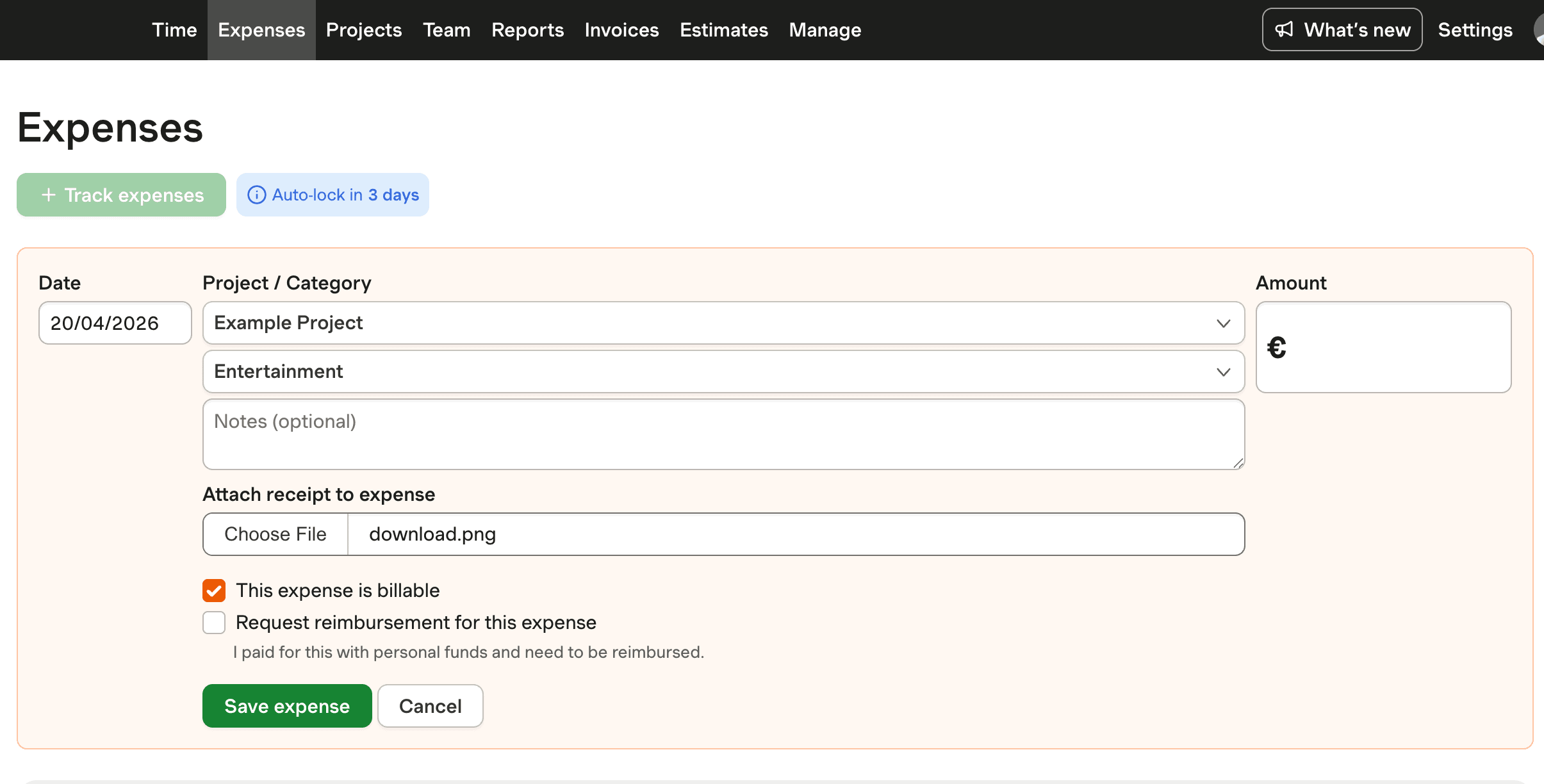
The preview shows how Harvest tracks transportation-related expenses by project and category, offering better cost control.

Screenshot showing transportation expense management in Harvest.

Expense Management for Transportation FAQs

  • Challenges include high operating costs and regulatory compliance. In 2024, U.S. households spent on average $13,318 on transportation, while fleet non-fuel expenses reached $1.779 per mile. Manual processes add inefficiencies and errors, complicating expense management.

  • Automation reduces errors and increases efficiency, with systems like TMS saving 8-10% on freight costs. Automated platforms provide real-time insights, enforce policies, and streamline processes, addressing common challenges like poor data visibility.

  • Harvest offers project-based expense tracking, allowing businesses to manually categorize transportation expenses. It supports compliance by including expenses in weekly timesheet approvals, ensuring organized records and reducing administrative burdens.

  • Regulations like the Tax Cuts and Jobs Act and state-specific laws mandate strict documentation and reimbursement practices. Compliance is essential to avoid penalties, making robust expense management systems necessary.

  • Data visibility helps identify spending patterns, errors, and potential fraud. Automated solutions provide real-time insights, enabling businesses to make informed decisions and reduce costs effectively.

  • TMS are crucial for optimizing costs and improving efficiency, offering freight cost savings of 8-10% and reducing invoice discrepancies by 80%. They provide real-time tracking and reporting, enhancing expense management.

  • While Harvest does not directly integrate with logistics, it tracks expenses by project, offering a way to monitor costs. This tracking helps businesses maintain control over transportation-related expenses.