
Harvest
Expenses
Sign up

Expense Report in Hausa

Harvest is a project-based expense tracker that enables accurate financial oversight, crucial for Nigerian businesses where over 95% of SMEs fail within five years due to poor financial management.

  • Attach receipts to projects & tasks
  • Turn tracked expenses into client invoices
  • Free 30-day trial, no credit card needed

or drag & drop • Images and PDFs, max 10 MB

Understanding Expense Reports in Hausa

Creating an expense report in Hausa can be challenging due to the lack of standardized terms and formats in the language. While English is the official business language in Nigeria, efforts to enhance financial literacy in Hausa-speaking regions are underway. The Da Hausa Initiative is one such program, focusing on financial education tailored to cultural contexts, which can bridge the gap between traditional practices and modern financial management.

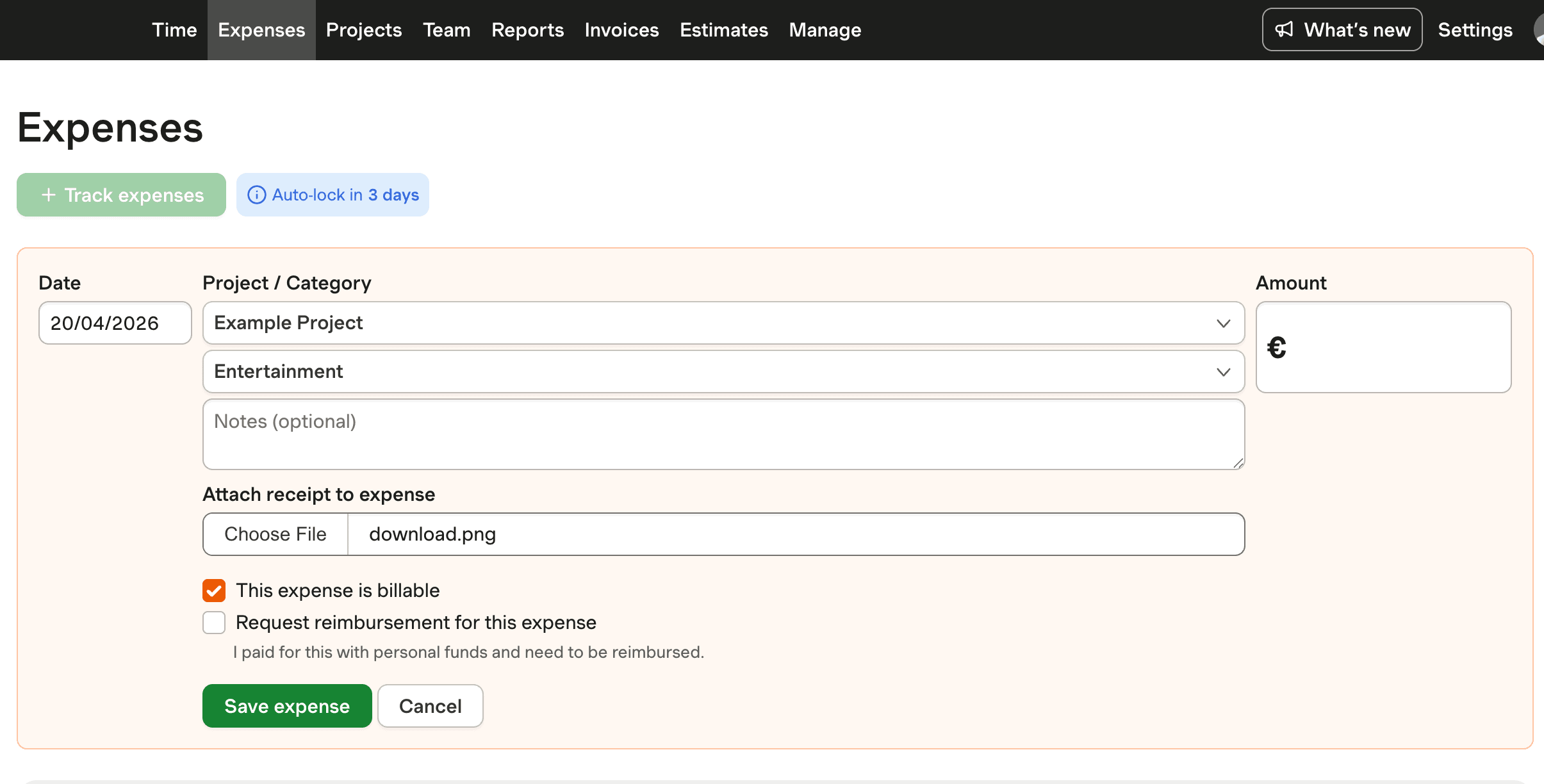
The structure of an expense report generally includes components such as date, description of the expense, amount, and category. While these terms don't have direct Hausa equivalents, understanding these concepts is crucial. Financial management skills are essential for profitability, as seen in Nigeria's SMEs where over 50% fail in their first year due to poor financial oversight.
Key Components of an Expense Report

An effective expense report should clearly outline each expenditure and its purpose. This documentation is crucial for tax compliance and financial analysis. In Nigeria, expenses must be 'wholly, exclusively, necessarily, and reasonably incurred for business purposes' to qualify for deductions. Common allowable expenses include rent, utilities, and salaries.

Properly categorizing expenses helps in maintaining accurate records and simplifies tax filing. This practice is vital for businesses in Nigeria to avoid losing legitimate deductions and ensures compliance with updated Federal Inland Revenue Service regulations. By maintaining thorough records, businesses can defend their deductions if audited.

The Impact of Expense Tracking on Business Success

Effective expense tracking is vital for the success of Nigerian businesses. It enables them to identify spending patterns, optimize costs, and maximize profitability. Research shows that businesses with robust financial management systems are more likely to succeed, with cloud-based accounting software reducing manual errors by 78% and facilitating better decision-making.

Poor expense management leads to untracked expenses, which can silently drain a business's profits. For instance, over 95% of Nigerian SMEs fail within their first five years, with inadequate financial management being a key factor. By using tools like Harvest, businesses can improve their expense tracking, helping them stay competitive by offering lower prices due to reduced operational costs.

How Harvest Supports Expense Tracking

Harvest offers a project-based expense tracking solution that allows teams to manage their finances efficiently. While the interface is currently available only in English, it provides robust features that help businesses track their expenses alongside time management. This integration is particularly beneficial for teams working on multiple projects simultaneously.

With Harvest, businesses can streamline their expense tracking processes, ensuring that every financial transaction is captured accurately. This functionality is crucial for businesses aiming to enhance their financial oversight and comply with tax regulations. Harvest's tools can significantly reduce the risk of errors and improve overall financial management, giving businesses a competitive edge.

Expense Report in Hausa with Harvest

See how Harvest tracks expenses efficiently, crucial for Nigerian businesses. Learn to manage finances effectively with Harvest.

Harvest tool showcasing expense tracking features

Expense Report in Hausa FAQs

  • Creating an expense report in Hausa involves understanding the basic structure of an expense report, such as date, description, amount, and category. While there are no standardized Hausa terms, these concepts are crucial for financial management.

  • Expense tracking is vital for Nigerian SMEs as it helps identify spending patterns, optimize costs, and increase profitability. Over 95% of SMEs fail within five years due to poor financial management.

  • In Nigeria, deductible expenses must be 'wholly, exclusively, necessarily, and reasonably incurred for business purposes.' Common deductible expenses include rent, salaries, and utilities.

  • Harvest offers an efficient project-based expense tracking system, helping businesses manage expenses and time. This ensures accurate financial records and compliance with tax regulations.

  • Nigerian SMEs often struggle with inadequate financial systems, leading to poor financial oversight and business failure. Effective expense tracking and financial planning are crucial to their success.

  • Digital tools like Harvest improve expense management by reducing manual errors, facilitating real-time decision-making, and enhancing collaboration, crucial for Nigerian SMEs to stay competitive.

  • The Da Hausa Initiative improves financial literacy in Hausa-speaking communities, focusing on practical skills in money management, budgeting, and financial planning, bridging traditional and modern practices.