
Harvest
Expenses
Sign up

Gas Allowance

Gas allowances can significantly impact employee expenses. Harvest offers a simple tool for tracking mileage expenses manually, ensuring accurate record-keeping.

EXPENSE REPORT DRAFT

Drop your receipts here or click to upload

Images and PDFs (max 10 MB each)

Date
Category
Merchant
Description
Amount
Total
$0.00

Customise report

Appearance

Show report title

Report settings

Understanding Gas Allowance and Its Role in Businesses

A gas allowance is a form of compensation provided to employees who use their personal vehicles for business purposes. It is a crucial component of expense management for businesses, as it helps cover the costs incurred by employees during work-related travel. Unlike mileage reimbursement, which pays a set rate per mile driven, gas allowances can be a fixed amount provided to employees regardless of the distance traveled. In 2025, the IRS set the standard mileage rate at 70 cents per mile, reflecting changes in the cost of operating a vehicle.

The implementation of gas allowances is influenced by various factors, including technological advancements and legal requirements. For instance, using automated GPS tracking instead of manual logging can reduce overstated mileage by 25%, thereby ensuring more accurate reimbursements. This shift from manual to digital tracking not only improves accuracy but also enhances compliance with IRS regulations that require detailed record-keeping for tax-free reimbursements.
The Tax Implications of Gas Allowances

Gas allowances have specific tax implications that businesses must navigate to remain compliant with IRS guidelines. Generally, reimbursements can be tax-free if they are part of an "accountable plan," which mandates that expenses must have a direct business connection and be submitted within a reasonable timeframe. Failure to comply with these requirements can result in reimbursements being treated as taxable income, leading to additional payroll taxes for employers.

While Harvest does not manage tax implications, it offers a simple tool for tracking mileage expenses manually. This can assist businesses in maintaining records needed for tax compliance. Employers must ensure that all mileage logs are accurate, capturing details such as date, purpose, and miles driven for each trip, as these records are crucial during audits. Poor record-keeping can lead to disputes and potential financial penalties, emphasizing the need for accurate tracking solutions.

Leveraging Technology for Efficient Gas Allowance Management

In the modern business environment, leveraging technology is essential for efficient gas allowance management. Many companies have moved from manual, spreadsheet-based systems to automated solutions that streamline the tracking and reimbursement process. This transition has led to significant reductions in reimbursement times, with some organizations reducing processing times from 30 days to just 24 hours.

Harvest provides a platform for tracking expenses and mileage manually, which can be particularly useful for small businesses seeking to manage travel expenses without complex tax features. By using Harvest, companies can manually enter mileage and expenses, ensuring that all travel-related costs are documented accurately. Although Harvest does not offer automated GPS tracking, it allows businesses to set custom rates for mileage, facilitating straightforward tracking of travel expenses.

Best Practices for Implementing Gas Allowances

Implementing gas allowances effectively requires adherence to several best practices. Although Harvest does not provide specific guidance on structuring gas allowances, businesses can follow general strategies to optimize their programs. Establishing clear policies on eligible travel expenses and ensuring timely submission of expense reports are key steps in maintaining an organized and compliant reimbursement program.

Experts recommend using digital expense tracking tools to enhance accuracy and compliance. Regular audits of expense documents can help detect fraud and verify the accuracy of submitted claims. This proactive approach not only prevents overspending but also aligns with regulatory requirements. While Harvest focuses on manual tracking, its capabilities can support businesses in maintaining detailed records essential for compliance and financial management.

Gas Allowance Tracking with Harvest

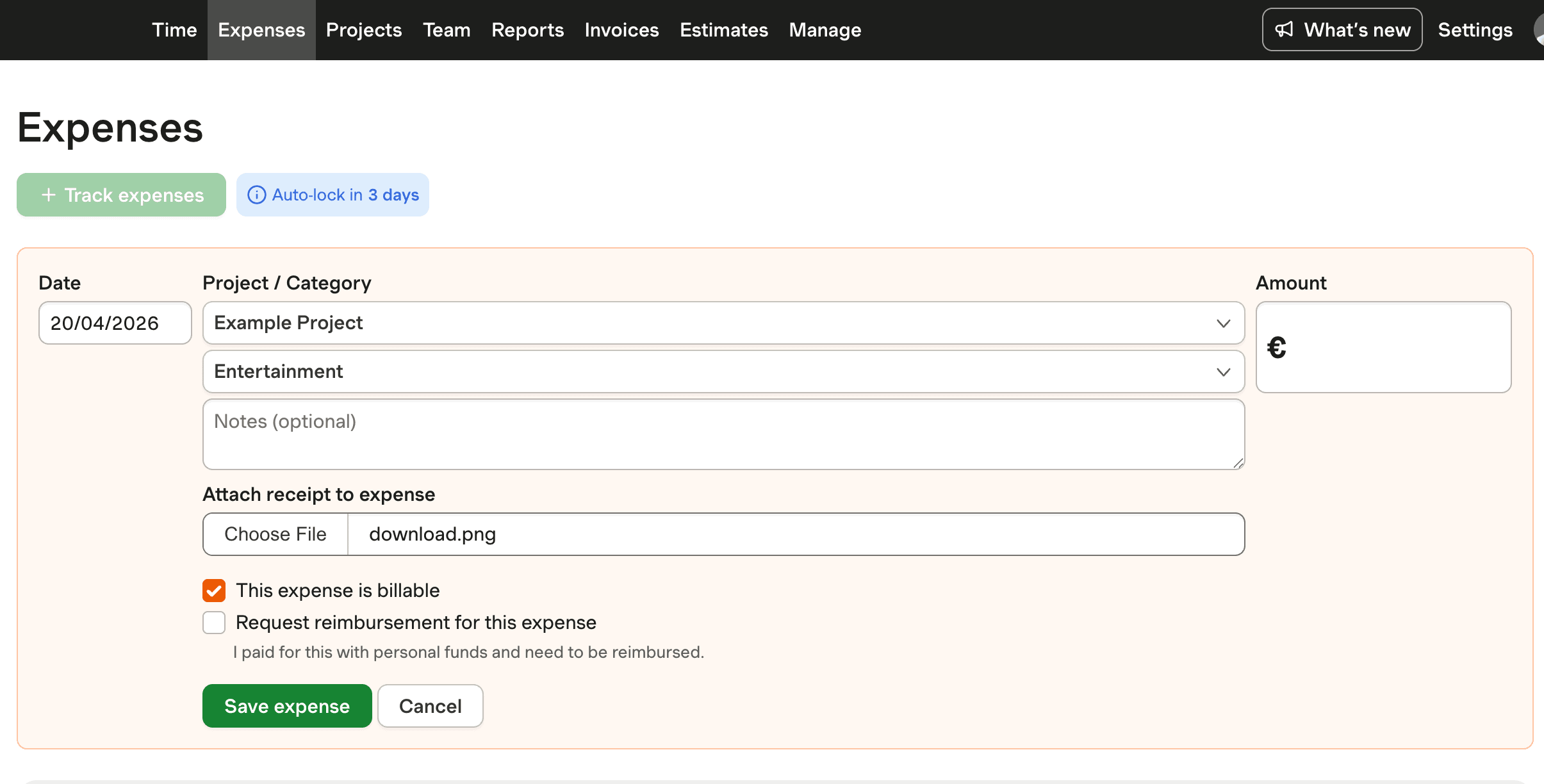
See how Harvest helps businesses track mileage expenses easily, with a focus on manual entry for accurate record-keeping.

Screenshot of Harvest's expense tracking interface tailored for gas allowances.

Gas Allowance FAQs

  • A gas allowance is a form of compensation provided to employees for using their personal vehicles for business travel. It covers fuel costs and is often a fixed amount, differing from mileage reimbursement, which pays per mile driven.

  • Gas allowances provide a fixed sum to cover fuel expenses, while mileage reimbursement compensates based on the number of miles driven. The IRS sets standard mileage rates, like 70 cents per mile in 2025, to guide reimbursements.

  • Gas allowances can be tax-free if part of an IRS-compliant "accountable plan." This requires accurate record-keeping of business-related travel expenses, submission within a reasonable time, and return of any overpayments.

  • To comply with IRS guidelines, businesses should establish an accountable plan, requiring documented business expenses and timely submission of reports. Harvest helps track expenses manually, aiding in record-keeping.

  • Best practices include clear travel expense policies, timely report submissions, and the use of digital tracking tools. Regular audits ensure compliance and accuracy in reimbursement claims.

  • Yes, Harvest allows businesses to manually track mileage expenses, setting custom rates to ensure accurate documentation of travel costs, which is essential for compliance and financial management.

  • Accurate mileage tracking prevents over-reimbursement and ensures compliance with tax regulations. Manual tracking can lead to inflated claims, so using tools like Harvest can help maintain precise records.