
Harvest
Expenses
Sign up

Internet Reimbursement

With millions working remotely, Harvest supports businesses in tracking internet expenses, ensuring accurate financial management without handling policy compliance.

EXPENSE REPORT DRAFT

Drop your receipts here or click to upload

Images and PDFs (max 10 MB each)

Date
Category
Merchant
Description
Amount
Total
$0.00

Customise report

Appearance

Show report title

Report settings

The Importance of Internet Reimbursement for Remote Workers

Internet reimbursement is a crucial component of supporting remote employees, as the number of individuals working from home has surged from 9 million in 2019 to over 27.6 million by 2025. This dramatic increase has heightened the need for clear policies around reimbursing necessary work expenses, including internet costs. Failing to reimburse can effectively result in a "salary cut" for employees, leading to decreased morale and productivity.

While 83% of companies cover equipment costs, only 51% reimburse internet expenses, indicating a significant gap. Employers can save approximately $11,000 per remote worker annually by reducing their physical office footprint. Some of these savings can be redirected to internet reimbursements, aligning with the trend where 42% of businesses are enhancing their remote work policies. Harvest can assist by accurately tracking internet-related expenses, although it doesn't directly handle policy compliance with state laws.
Navigating Legal and Compliance Challenges

Understanding the legal landscape is essential for employers when structuring internet reimbursement policies. Federal law requires reimbursement only if work expenses lower wages below the federal minimum. However, states like California and Illinois impose stricter requirements. For example, California mandates reimbursement for a "reasonable percentage" of internet costs, irrespective of personal usage. Illinois requires covering all necessary work-related expenses.

To avoid legal pitfalls, businesses should develop compliant reimbursement policies. These should clearly define what constitutes a reimbursable expense and outline procedures for submission and approval. While Harvest doesn't manage legal compliance, it offers robust tools for tracking and submitting expenses, ensuring financial accuracy and transparency.

Implementing Effective Reimbursement Policies

Developing a comprehensive reimbursement policy involves several steps. First, identify eligible expenses like internet services and office supplies. Next, establish procedures for submitting expense reports, requiring adequate documentation like receipts. Finally, outline approval processes and timelines for reimbursement, ensuring clarity and consistency.

Common mistakes include relying on manual reporting and outdated policies. Automated solutions, like those offered by Harvest, can streamline expense tracking, reducing errors and administrative burdens. Harvest's tools integrate with payroll systems to facilitate timely payments, although policy structuring must be managed independently.

Enhancing Employee Satisfaction with Reimbursement

Reimbursing internet expenses is not just a legal obligation in some states but also an ethical practice that can boost employee morale. Industry experts highlight that reimbursement is the equitable thing to do, and it helps avoid the perception of a "salary cut." Moreover, the cost of litigation due to non-compliance far outweighs the expense of reimbursing internet costs.

By using Harvest to track these expenses, businesses can ensure financial allocations are accurately recorded, supporting a transparent and supportive work environment. However, defining and implementing reimbursement policies remains the employer's responsibility.

Manage Internet Reimbursements with Harvest

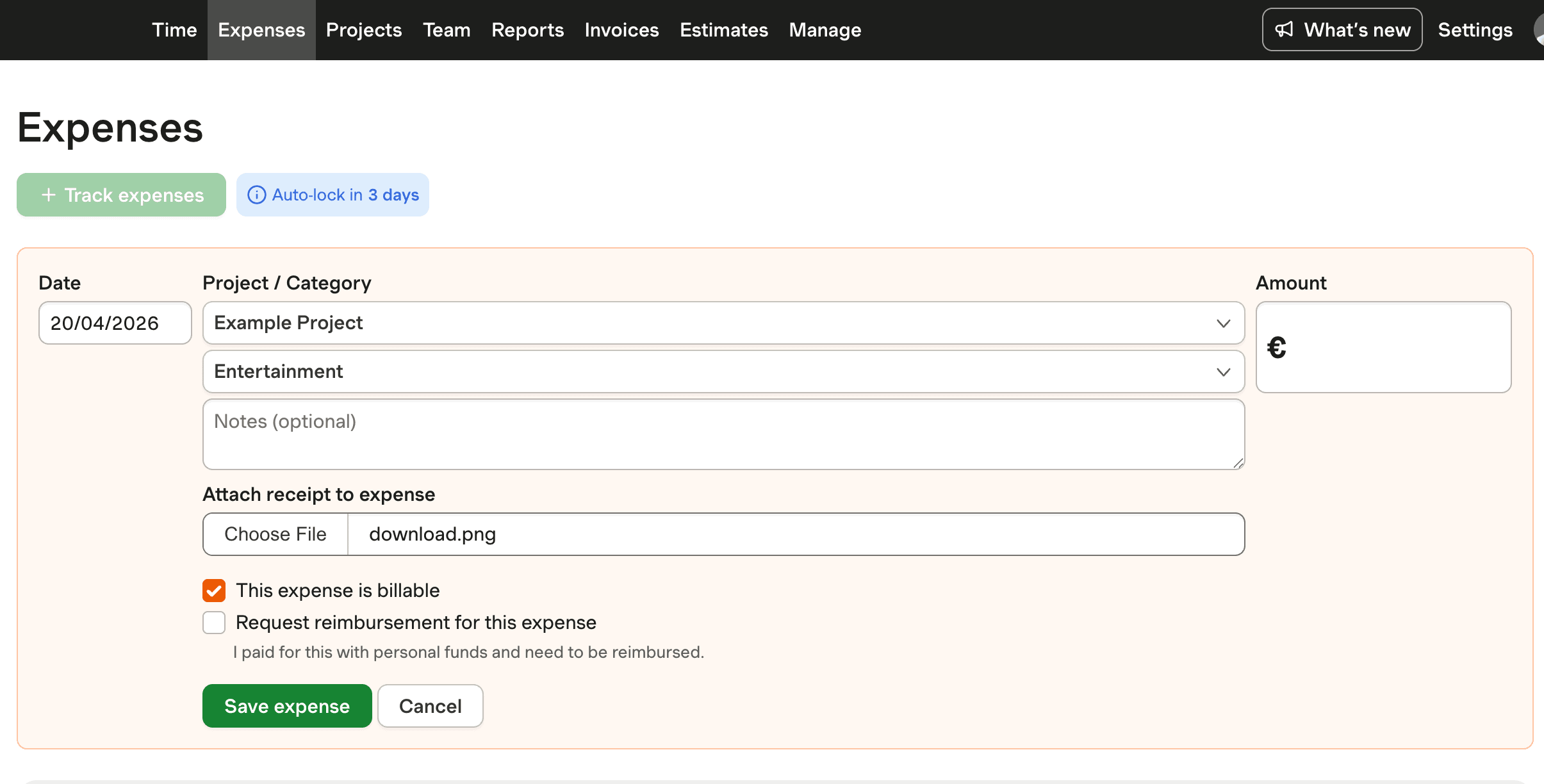
See how Harvest helps track internet expenses with precision, aiding businesses in managing remote work setups effectively.

Harvest dashboard showing internet expense tracking

Internet Reimbursement FAQs

  • Under federal law, employers must reimburse work-related expenses, including internet costs, only if these reduce an employee’s pay below the federal minimum wage of $7.25 per hour. There is no overarching federal mandate for all remote work expenses.

  • States like California and Illinois have specific laws requiring reimbursement for internet expenses necessary for remote work. California, for example, mandates that a "reasonable percentage" of internet costs be reimbursed to avoid unjust enrichment of employers.

  • Employers should clearly define necessary expenses, outline submission and approval procedures, and regularly update policies to comply with state-specific laws. Clear documentation and timely reimbursement are key components of a compliant policy.

  • A necessary internet expense is one that is essential for the performance of an employee's duties. This can include basic internet service required to perform work tasks, and must be clearly defined in the company's reimbursement policy.

  • Harvest provides tools for accurately tracking internet-related expenses, allowing businesses to manage financial records effectively. However, it does not handle legal compliance or policy structuring.

  • Non-reimbursement can lead to legal action, as seen in cases like Amazon's settlement for $950,000 due to non-compliance in California. It can also affect employee morale and potentially act as a "salary cut."

  • Yes, some employers offer stipends to standardize internet cost reimbursement. However, these must be reasonable and comply with state-specific laws to ensure they cover actual expenses incurred by employees.